When The Coast Felt More Alive
Personal memory by Eliett Arnouk
2014 CE • Santa Cruz de Tenerife, Spain
I remember the coast near Santa Cruz de Tenerife as a place that felt more alive when I was younger. When I went swimming or spent time by the sea, the water felt full of small forms of life. There were underwater plants, fish moving between them, and areas where the sea floor felt textured rather than empty. It wasn’t one single landscape, but many small parts that worked together. Over time, some of these parts have slowly disappeared. The coast still looks similar from the outside, but it doesn’t function in the same way. In some areas, the underwater plants are gone or much harder to find, and the sea floor feels more bare. Other things seem to grow more easily now, especially in places that are more affected by human activity. This change didn’t happen suddenly. It is connected to pollution, warmer water, construction along the coast, and constant use of the area. These changes don’t affect the whole coast equally. Some areas still survive, while others feel empty. The landscape has become uneven and patchy, and this loss has changed how I experience and relate to the coast.

Learn about Maya Lin’s fifth and final memorial: a multi-platform science based artwork that presents an ecological history of our world - past, present, and future.
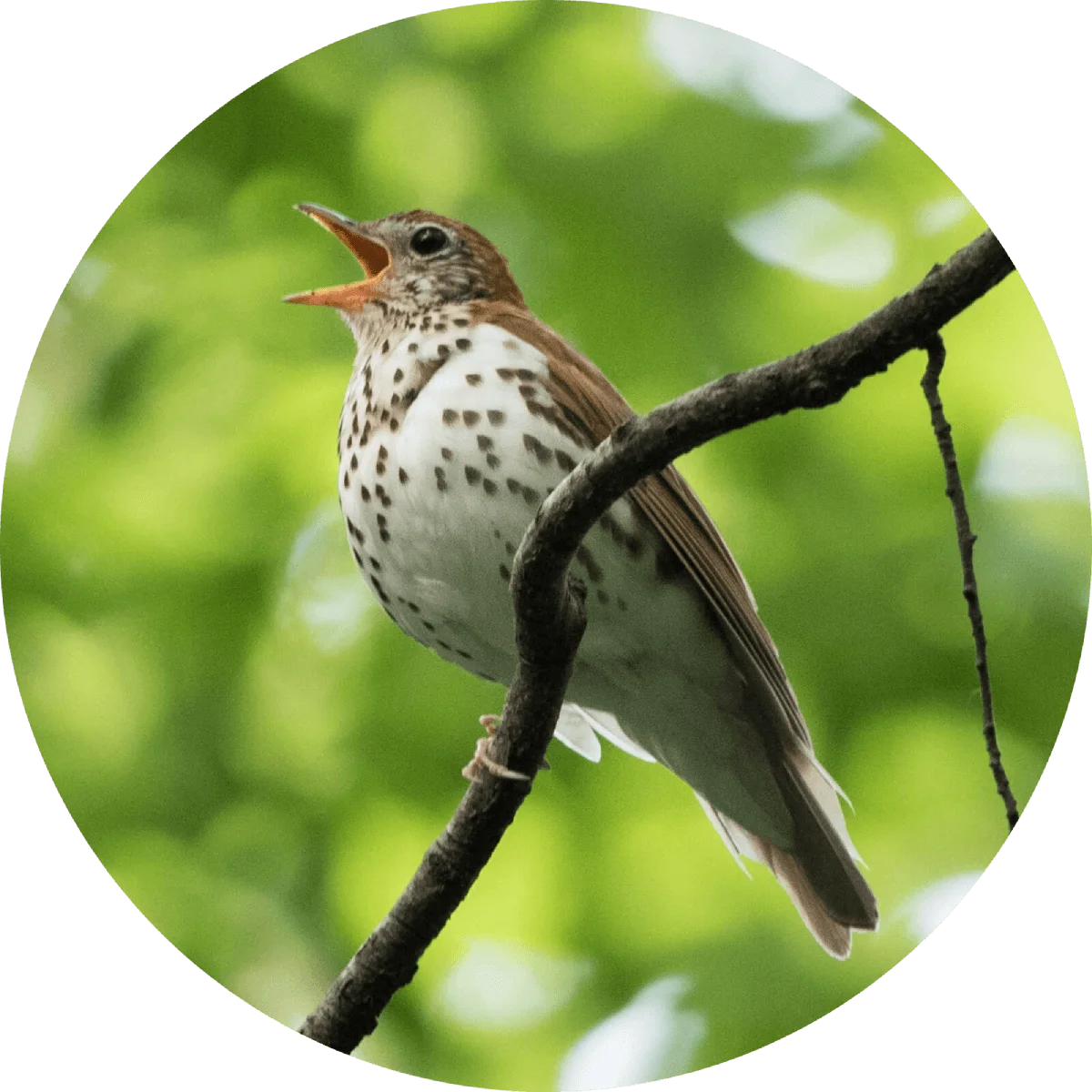
Discover ecological histories and stories of former abundance, loss, and recovery on the map of memory.
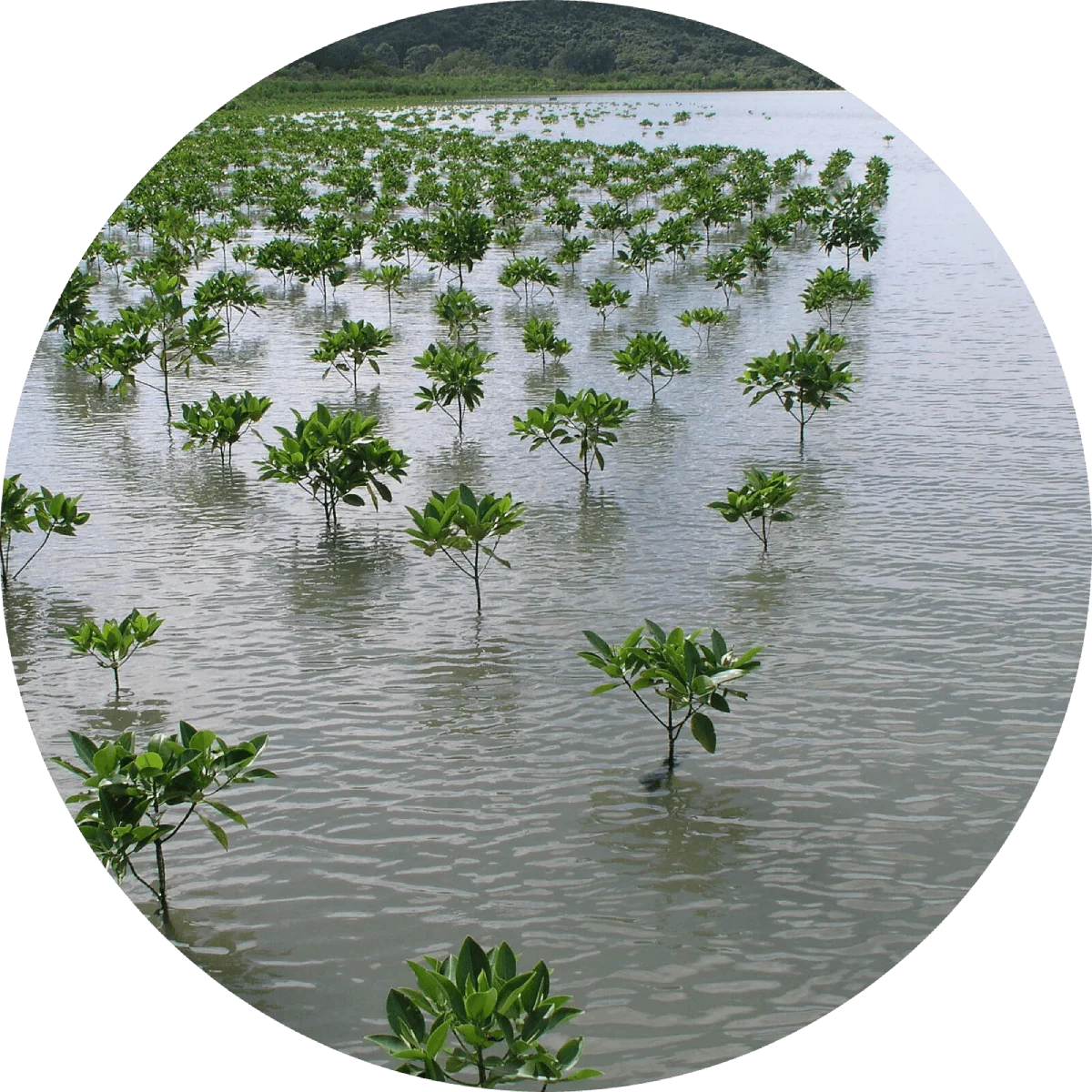
Learn how we can reduce our emissions and protect and restore species and habitats – around the world.

See how art can help us rethink the problems we face, and give us hope that each one of us can make a difference.

Help make a global memorial something personal and close to home. Share your stories of the natural world.