

Wetlands
1700s CE - 2026 CE • Worldwide
VIDEO COMING SOON
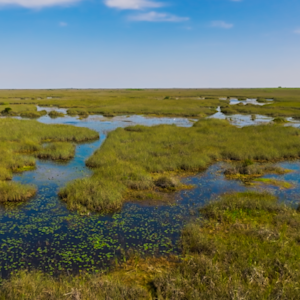
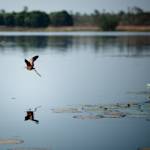
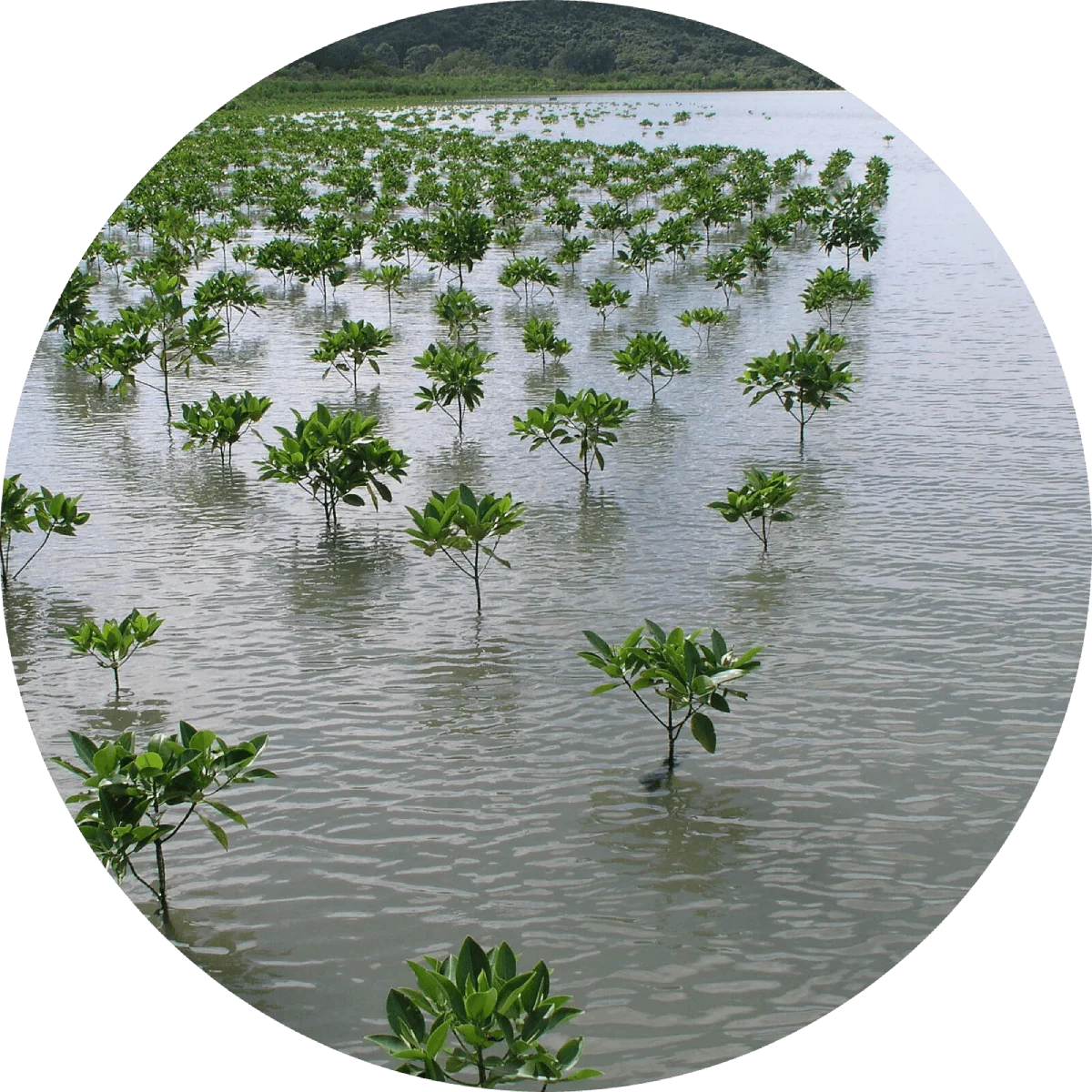
Among the most carbon-dense and biodiverse ecosystems on the planet, 40% of the world’s species live or breed in wetland habitats, yet over half of all wetlands have been lost since 1900. Long regarded as wastelands, they were drained, filled, or treated as dumping grounds. Scientists estimate that up to 87% may have been lost over the past three hundred years. Wetlands capture carbon and bury it in waterlogged soils, where it can remain for centuries or millennia, with up to 5 times more carbon per unit area than tropical forests. Coastal wetlands like mangroves, seagrasses, and salt marshes also serve as buffers against rising seas, reducing the risk of coastal flooding and erosion, and safeguarding 60% of the human population who reside in coastal areas. Restoring wetland ecosystems benefits biodiversity, carbon removal, and coastal resilience - simultaneously.
- NOAA, Blue Carbon Initiative, United Nations
WHAT YOU CAN DO
Support local and national wetland conservation and restoration initiatives
Volunteer for wetland cleanups and native plant restoration with local organizations.
Reduce fertilizer and pesticide use — runoff degrades wetland water quality.
Blue Carbon Initiative
United Nations
NOAA
Audio: Pond5
Video: iStock & Getty


Learn about Maya Lin’s fifth and final memorial: a multi-platform science based artwork that presents an ecological history of our world - past, present, and future.
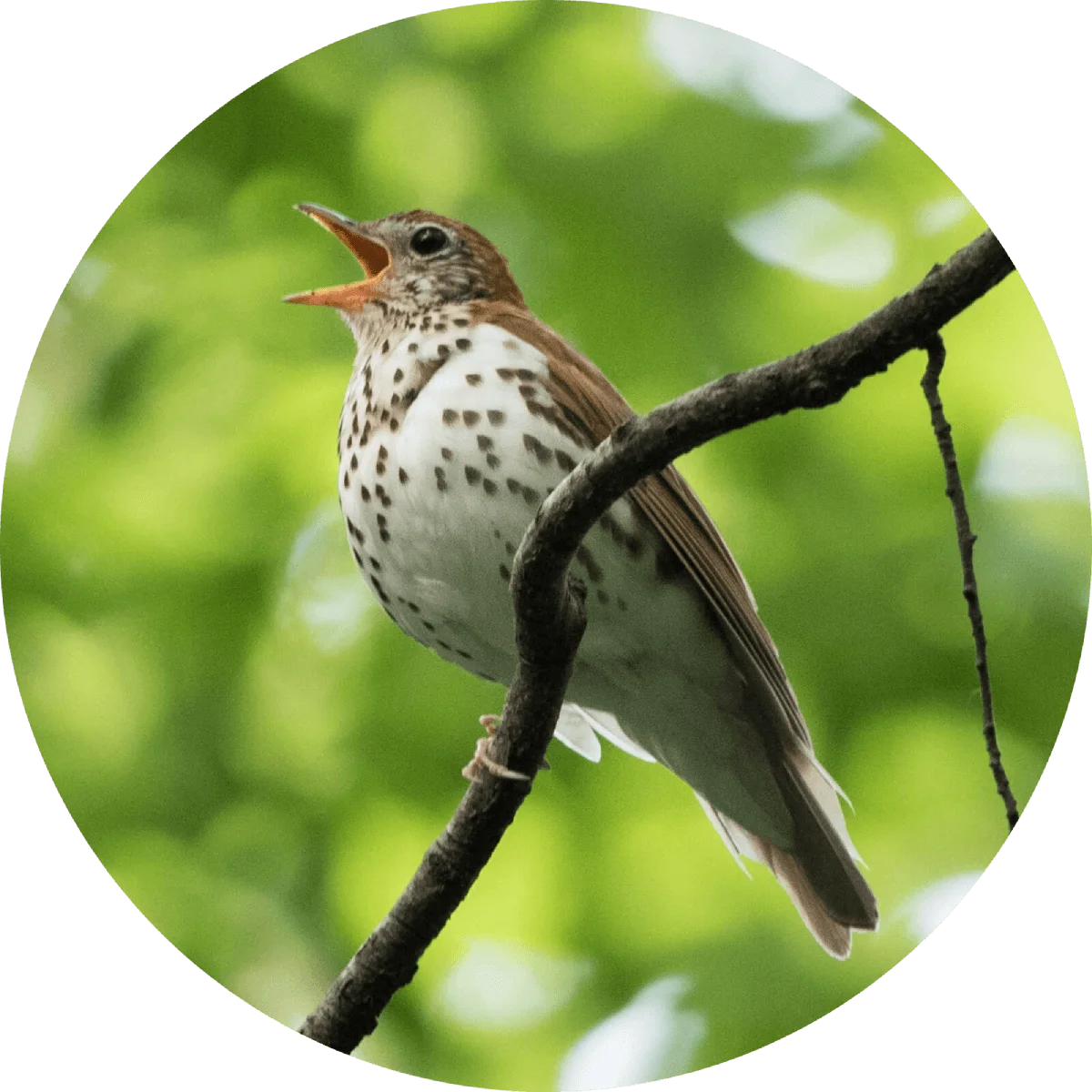
Discover ecological histories and stories of former abundance, loss, and recovery on the map of memory.
Learn how we can reduce our emissions and protect and restore species and habitats – around the world.

See how art can help us rethink the problems we face, and give us hope that each one of us can make a difference.

Help make a global memorial something personal and close to home. Share your stories of the natural world.