The Mangroves That Lived In The Canal
Personal memory by Isabella Roman
2009 CE • Cartagena, Bolivar, Colombia
What is missing are the mangroves that once lined the canal near my family’s home on the Caribbean coast of Colombia. When I was younger, they formed a dense, breathing edge between land and water. The mangroves slowed the tide, held the soil in place, and created shade where fish gathered and birds nested. They were not scenery. They were infrastructure, protection, and rhythm. This landscape functioned through entanglement. Roots tangled with plastic debris and shells, crabs disappeared into mud, and fishermen read the water through small, practiced gestures. The mangroves made the canal livable—not only for animals, but for people whose routines depended on calm water and predictable seasons. Their disappearance was gradual and uneven. Some sections were cleared to “open” the coast for development, while others died silently as pollution accumulated upstream. The landscape was simplified: water without roots, shoreline without resistance. What replaced the mangroves was not absence, but exposure—stronger tides, eroding banks, fewer fish. This loss matters because it reshaped what the landscape can do. Without the mangroves, the canal no longer absorbs disturbance; it amplifies it. What remains is a patchy coast where survival persists in fragments, and where memory fills the gaps left by roots that once held the land together.
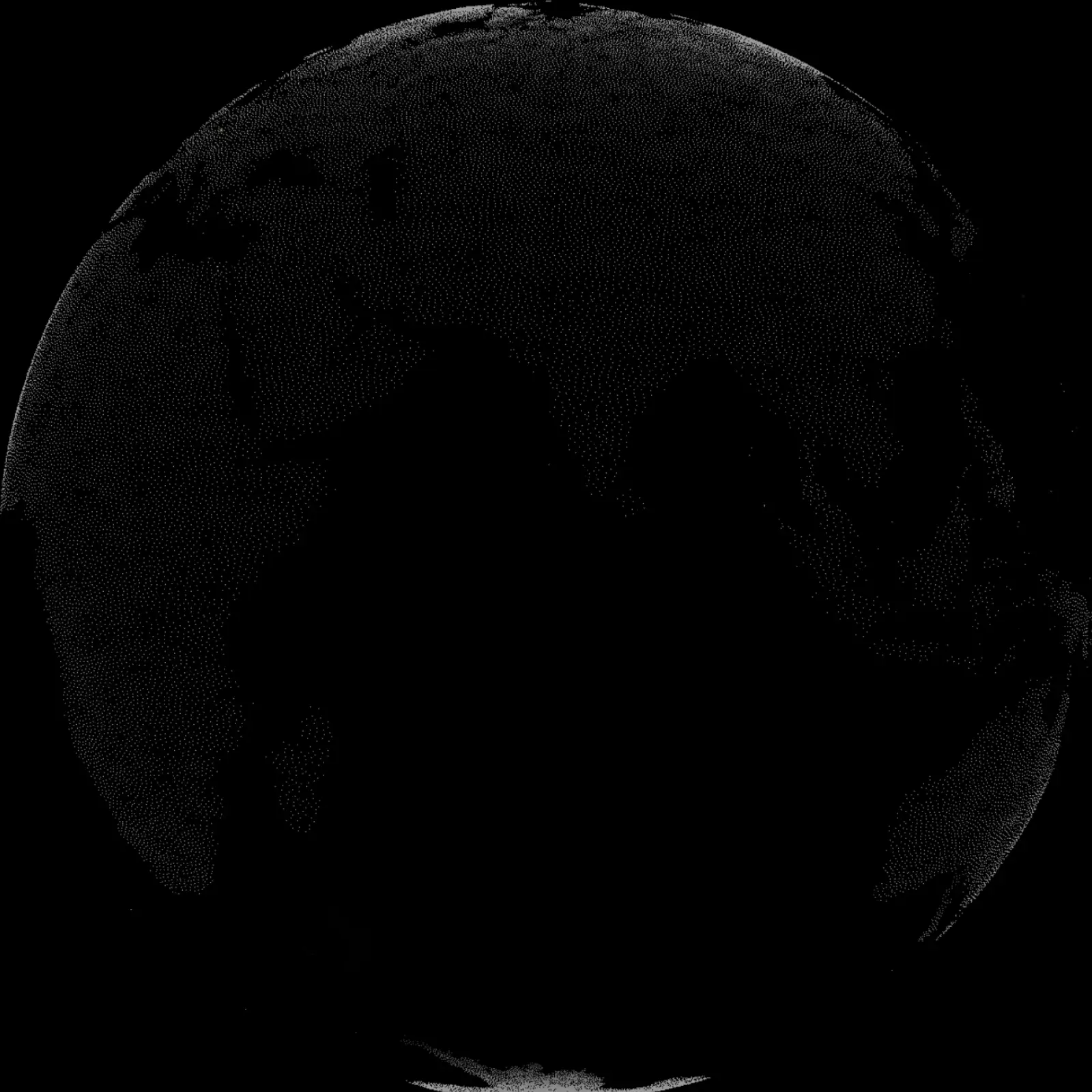

Learn about Maya Lin’s fifth and final memorial: a multi-platform science based artwork that presents an ecological history of our world - past, present, and future.
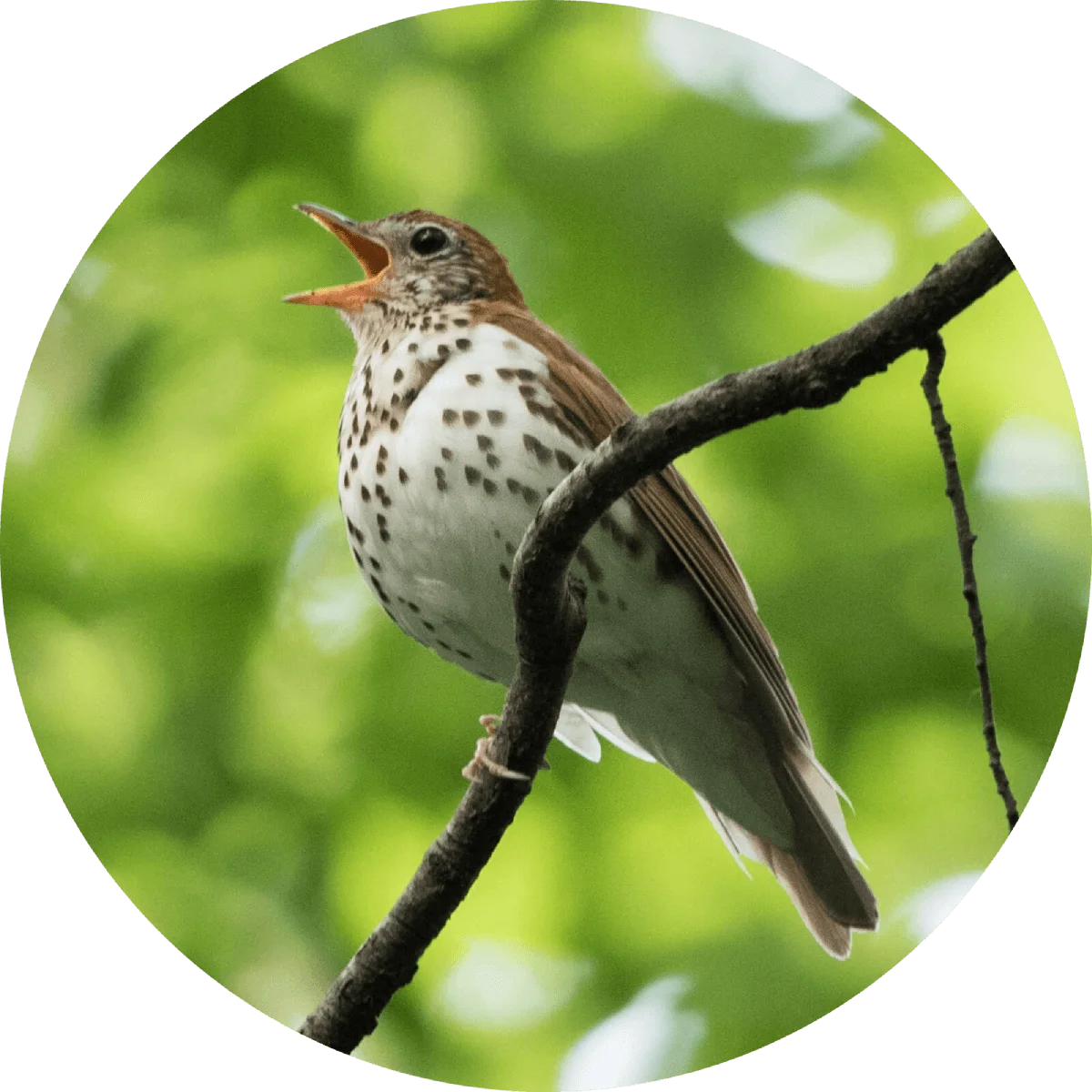
Discover ecological histories and stories of former abundance, loss, and recovery on the map of memory.
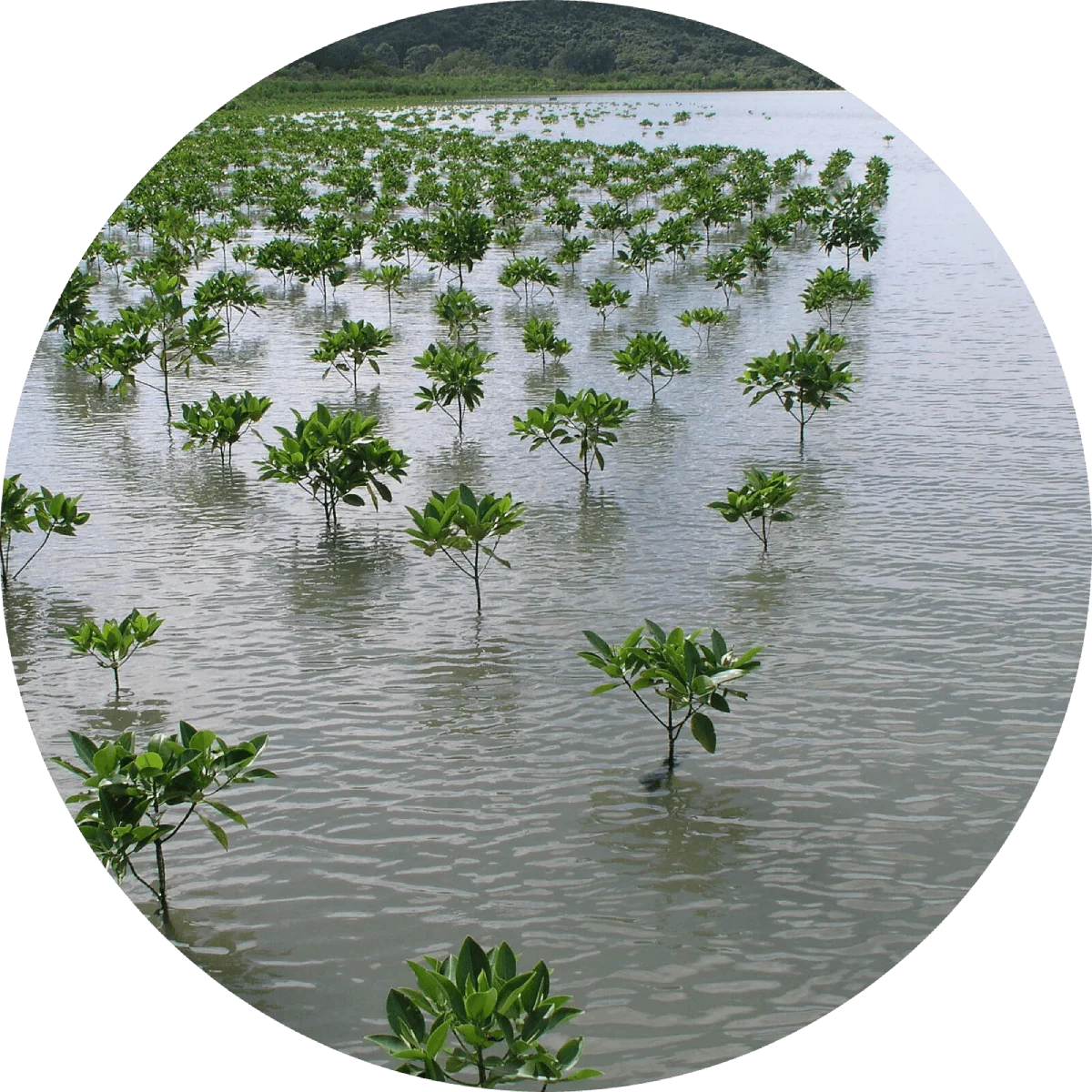
Learn how we can reduce our emissions and protect and restore species and habitats – around the world.

See how art can help us rethink the problems we face, and give us hope that each one of us can make a difference.

Help make a global memorial something personal and close to home. Share your stories of the natural world.