

Ocean Acidification
1760 CE - 2026 CE • Worldwide
VIDEO COMING SOON
Oceans have absorbed 30% of CO2 emitted since the Industrial Revolution, causing an increase in ocean acidity. Marine animals like oysters, corals, and pteropods rely on sensitive shells and skeletons that cannot be maintained in corrosive waters. In 2008, scientists in the Antarctic Southern Ocean found the shells of sea snails already dissolving. When oceans absorb CO2 from the atmosphere, they reduce the warming impact of greenhouse gasses. But as waters acidify, their capacity to absorb CO2 diminishes, creating a feedback loop that will intensify global warming. More than 90% of excess heat has already settled in the oceans, bleaching corals, intensifying storms, and causing seawater to expand, which contributes to rising seas. Reducing CO2 emissions is necessary to reduce future ocean acidification and heating.
- NOAA, New Scientist
WHAT YOU CAN DO
Reduce your carbon footprint — cutting CO2 emissions is the most direct way to slow ocean acidification.
Support policies and legislation that reduce fossil fuel emissions and protect ocean health.
Support ocean research and monitoring.
Marshall M. (25 Nov 2012) “Animals are already dissolving in Southern Ocean” New Scientist
NOAA
Audio: Pond5



Learn about Maya Lin’s fifth and final memorial: a multi-platform science based artwork that presents an ecological history of our world - past, present, and future.

Discover ecological histories and stories of former abundance, loss, and recovery on the map of memory.
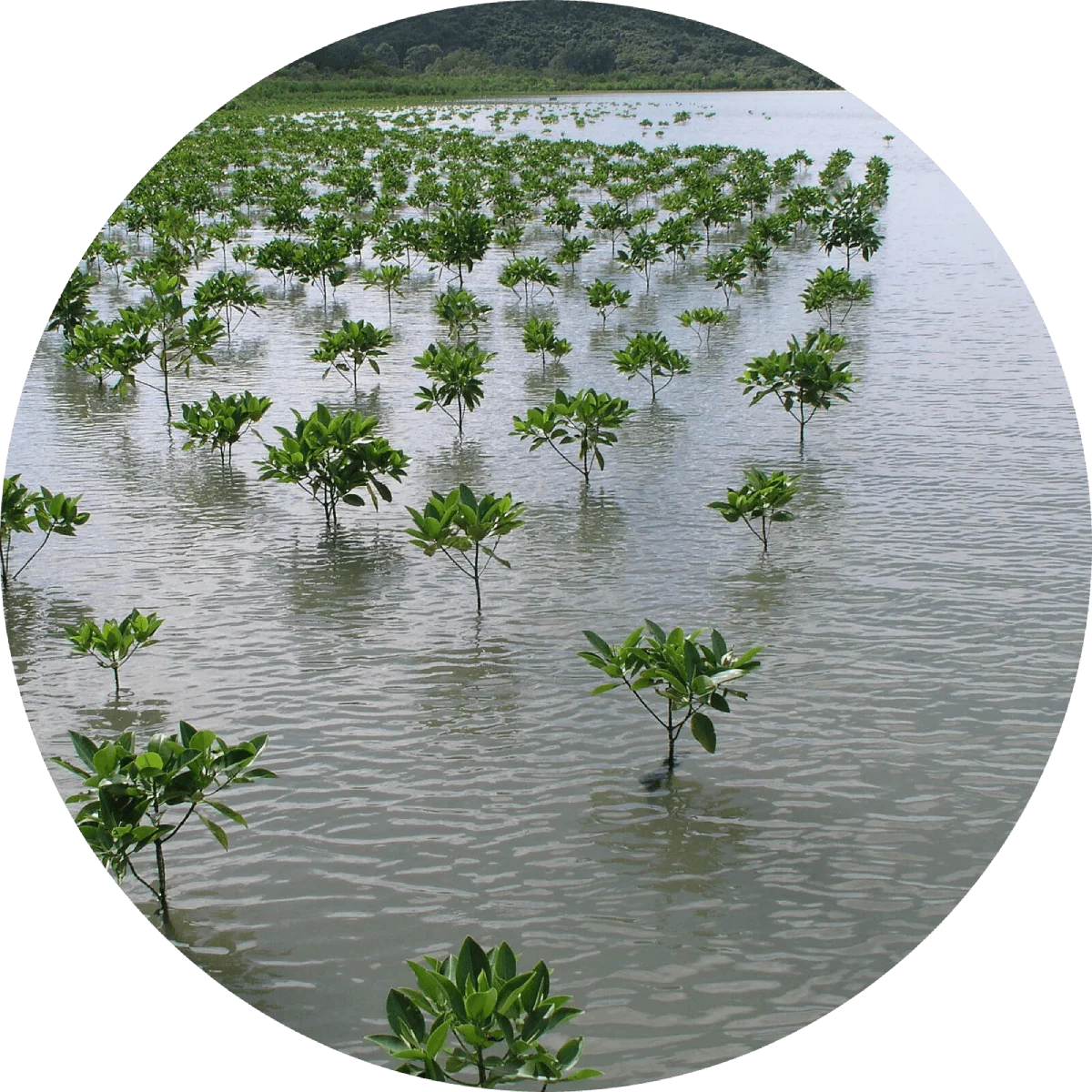
Learn how we can reduce our emissions and protect and restore species and habitats – around the world.

See how art can help us rethink the problems we face, and give us hope that each one of us can make a difference.

Help make a global memorial something personal and close to home. Share your stories of the natural world.