

Grasslands
2026 CE • Worldwide
VIDEO COMING SOON
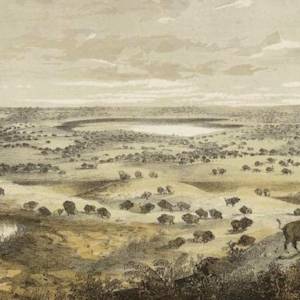
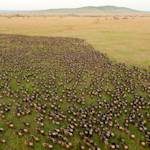
Also called steppes, pampas, prairies or plains, grasslands were once home to some of the largest assemblages of wildlife the earth has ever known - bison, pronghorn, zebra, and wildebeest, in vast migratory herds. Today grasslands are considered the most altered, most threatened, and least protected terrestrial ecosystem on the planet. More than half of native grasslands and savannas have been converted to agricultural land. Less than 10% remain intact and are formally protected. With roots reaching up to 15 ft, native grasses sequester carbon deep into the earth, where approximately one-third of all terrestrial carbon is stored - in grassland soils. The conservation and restoration of grasslands is essential to maintain one of the earth’s great carbon reserves, and the connectivity of its irreplaceable migratory landscapes.
- WWF, WLFW, TNC
WHAT YOU CAN DO
Advocate for grassland conservation policy and conservation easements that permanently protect grassland from being plowed into cropland.
Support programs that restore native grassland.
Support perennial grain crops like Kernza and regenerative practices that reduce tillage and mimic the deep-rooted structure of native grassland.
World Wildlife Fund
WLFW
The Nature Conservancy
Audio: Pond5
Video: iStock, Getty



Learn about Maya Lin’s fifth and final memorial: a multi-platform science based artwork that presents an ecological history of our world - past, present, and future.
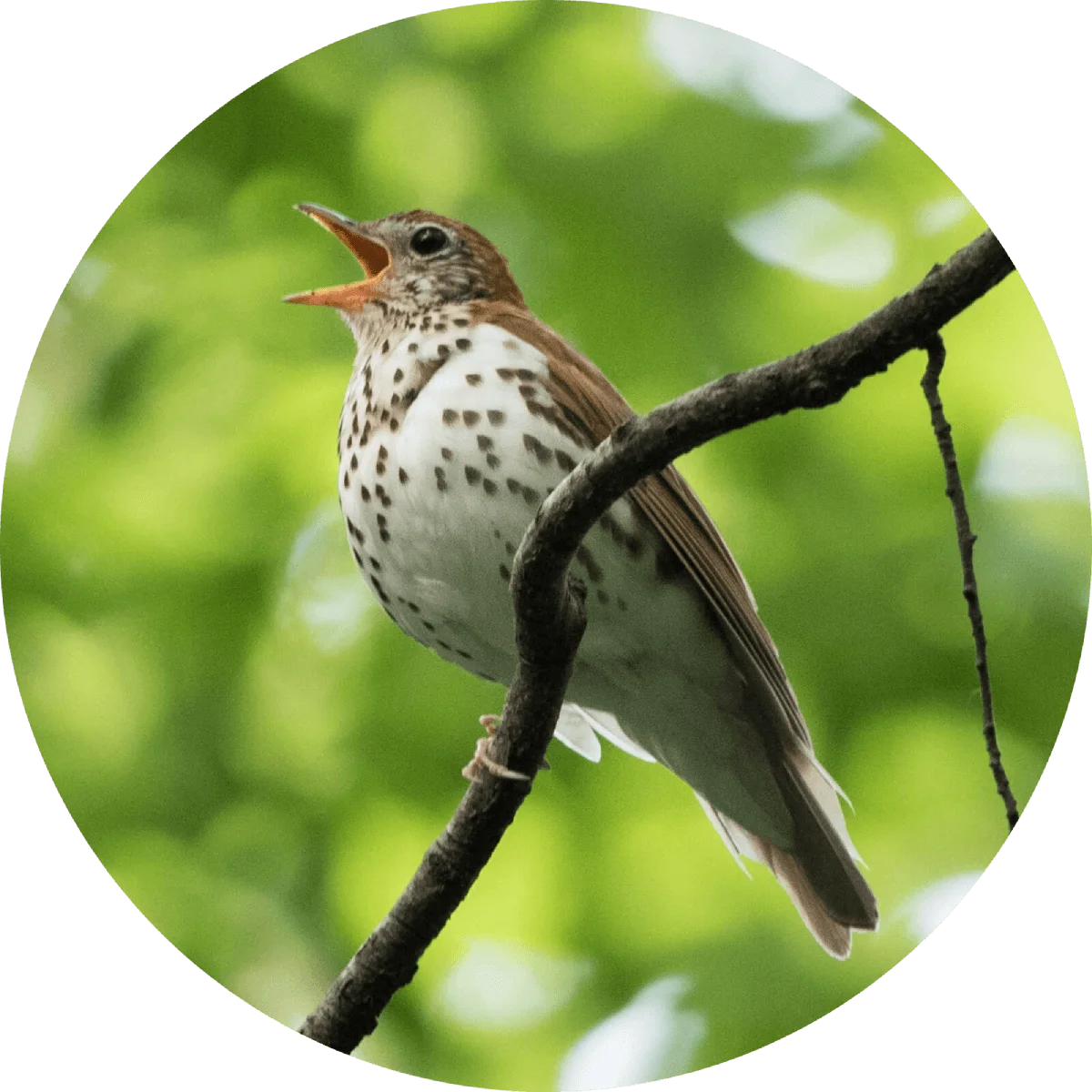
Discover ecological histories and stories of former abundance, loss, and recovery on the map of memory.
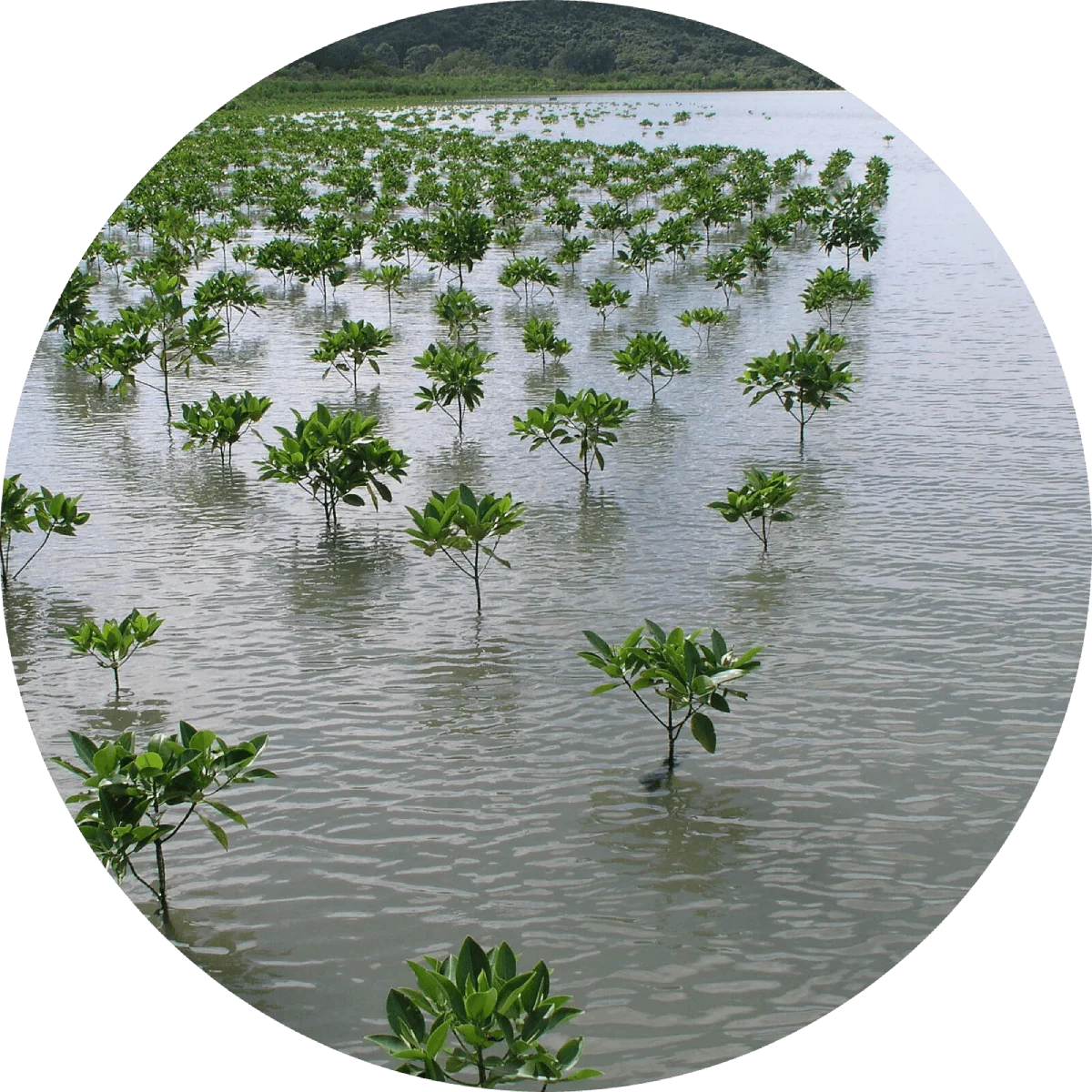
Learn how we can reduce our emissions and protect and restore species and habitats – around the world.

See how art can help us rethink the problems we face, and give us hope that each one of us can make a difference.

Help make a global memorial something personal and close to home. Share your stories of the natural world.