A Thinning Shoreline In Korba
Personal memory by Meriam Krichen
2015 CE • Korba, Tunisie
What is missing is a coastal landscape : the gradual loss of ecological density along the shoreline of Korba in northeastern Tunisia, shaped by my childhood summers at my grandparents’ seaside house. As a child, the coast felt alive in ordinary ways : clear water revealing fish near the shore, seagrass beneath the surface, crabs under rocks, shells appearing and disappearing with the tide. Seaweed on the sand and salt on the skin marked the landscape’s everyday rhythms. Korba’s coastline was never a unified system. Structured by patchiness, it was composed of overlapping uses and histories : family homes built close to the water, nearby agricultural fields irrigated from inland wells and informal fishing practices. This unevenness allowed multiple forms of life to coexist, making the shore a space of encounter between human and more-than-human life. Within this patchy landscape, disappearance unfolded unevenly through modular simplifications. Human interventions reshaped the coastline in fragments: protection structures, hotels, private developments, and concrete barriers were built to stabilize and control the shore for tourism and property protection. At the same time, intensified agriculture relied on fertilizers and pesticides, while untreated wastewater was discharged into the sea, aiming to simplify and standardize coastal space. Feral proliferations followed these simplifications: disrupted sediment flows intensified coastal erosion, seagrass beds thinned or disappeared, and the water became increasingly turbid and warmer. Algae blooms, organic accumulations, polluted runoff, plastic debris, and drifting waste spread beyond the sites where control was imposed, amplifying coastal instability. From a patchy Anthropocene perspective, this structural loss matters, resulting from an accumulation of fragmented interventions that have reconfigured how land and sea interact. The coast still “looks” like a beach, but it no longer functions as a shared multispecies space. What remains is a landscape with thinner relations, offering fewer possibilities for both human and more-than-human life.

Learn about Maya Lin’s fifth and final memorial: a multi-platform science based artwork that presents an ecological history of our world - past, present, and future.
Discover ecological histories and stories of former abundance, loss, and recovery on the map of memory.
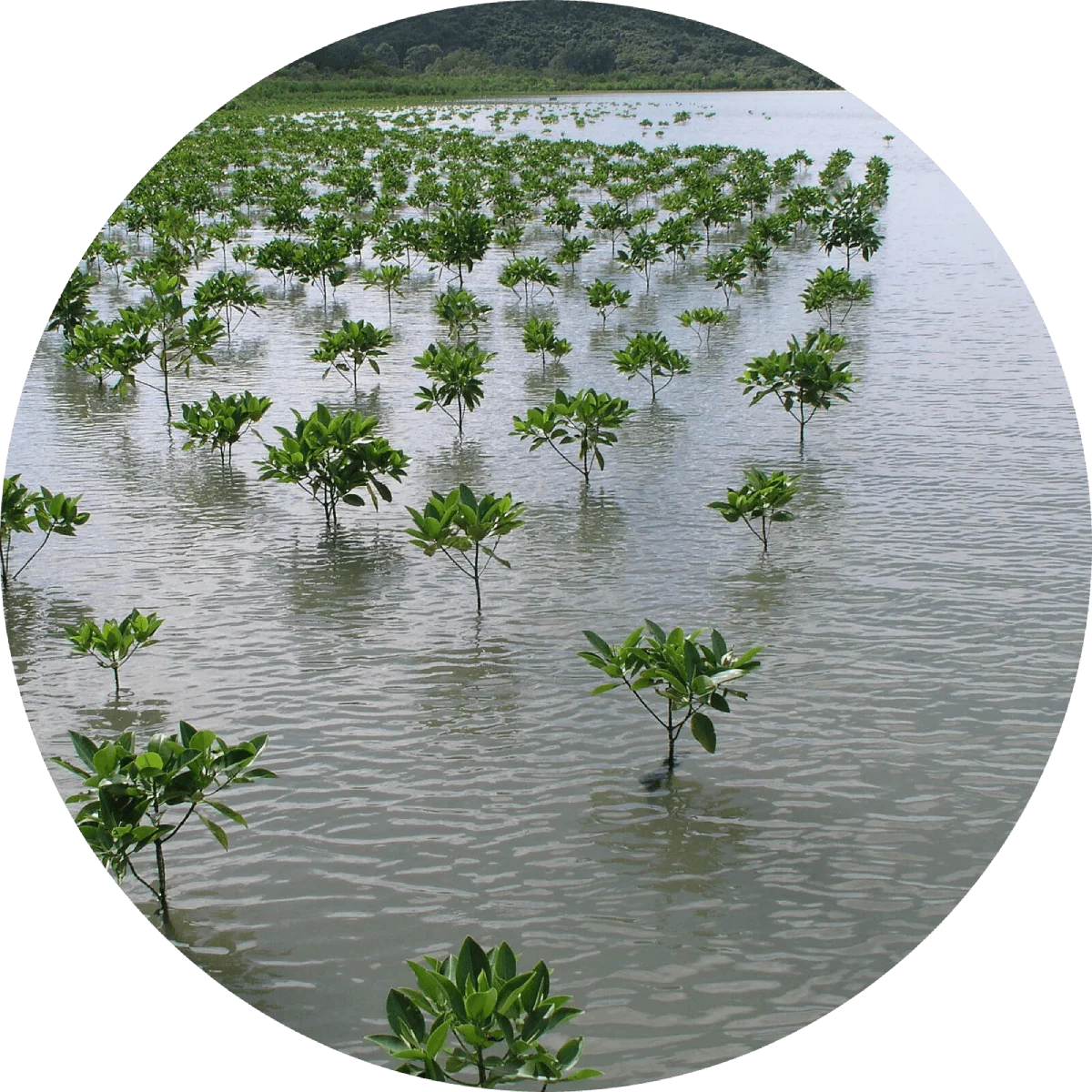
Learn how we can reduce our emissions and protect and restore species and habitats – around the world.

See how art can help us rethink the problems we face, and give us hope that each one of us can make a difference.

Help make a global memorial something personal and close to home. Share your stories of the natural world.