“New Jersey is warming faster than both the global and regional averages, with a 4.1°F (2.3°C) rise in average annual temperature from 1895 to 2024. Winters are warming nearly twice as fast as summers, and 15 of the state’s 20 warmest years have all occurred since 2000. The frequency of heat waves has increased, while nighttime temperatures during these events have warmed, reducing the opportunity for overnight cooling. Urban areas in New Jersey are especially vulnerable due to the heat island effect caused by dense infrastructure and limited green space.”
“The bog turtle, a victim of habitat loss, has disappeared from more than half of its historically occupied sites in New Jersey.”
“[‘Ghost forest’ is] a term that points to the visceral changes of the landscape — going from lush green to a pale white [...] The Atlantic white cedar forests are seen as the first line of defense on New Jersey’s coast. They thrive in freshwater wetlands — swamps so thick that extreme caution and a good pair of wader boots are necessary in order to walk through them. As sea levels rise, these trees are hit first, and the saltwater intrusion is killing them due to their sensitive nature. That water will then move on to inundate farm fields, peoples’ homes, drinking water and businesses.”
“[‘Ghost forest’ is] a term that points to the visceral changes of the landscape — going from lush green to a pale white [...] The Atlantic white cedar forests are seen as the first line of defense on New Jersey’s coast. They thrive in freshwater wetlands — swamps so thick that extreme caution and a good pair of wader boots are necessary in order to walk through them. As sea levels rise, these trees are hit first, and the saltwater intrusion is killing them due to their sensitive nature. That water will then move on to inundate farm fields, peoples’ homes, drinking water and businesses.”
“Studies show that plants and animals are moving 11 miles northward and 36 feet upslope every decade in response to changing environmental conditions and that the Appalachians are a resilient refuge where this occurs. Bobcat Alley is an important link between the central and northern sections of this migratory superhighway. Our ambitious goal for 2030 is to expand the amount of protected land in Bobcat Alley by 10,000 acres, so that 40% (about 40k acres) of these most important lands are locked in as connected green space.”
“Wild blue lupine (Lupinus perennis L.) is the larval host for at least four rare species of specialist Lepidoptera in the northeastern United States (Wagner et al. 2003), including Frosted elfin butterfly…The pine barren habitat in which lupine grows is declining in the eastern United States due to urban encroachment and forest expansion following suppression of fire.” The frosted elfin was listed as imperiled in New Jersey in 2001.
“The Meadowlands are no longer pristine, and the history of human use has shaped the landscape in dramatic ways. The Meadowlands are the floodplain of the Hackensack River and hardly rise above sea level, with isolated knolls and extensive reed marshes surrounded by ridges and urban centers. The broad expanse of marshland is interrupted by highways and dotted with landfills and industrial developments. Yet despite its history of development, it represents one of the largest de facto refuges for wildlife in the entire metropolitan region.”
“None of the sediments exposed at the surface in Monmouth, Ocean, Atlantic or Cape May Counties are cemented to form bedrock like that found along the New England coast. Since the geologic layers are not lithified, they erode easily under marine processes like wave action or tidal currents [...] A review of property records from the 17th Century in Monmouth County has demonstrated up to 2,000 feet of shoreline retreat since about 1650.”
“The Mullica River-Great Bay estuary provides habitat for one of the last remaining viable oyster populations along the Atlantic Coast of New Jersey… Recently, the state initiated shell planting and seed transplantation activities in an effort to sustain the resource and support the traditional oyster fishery... [leading to] the first public oyster harvest on the Atlantic Coast of New Jersey in over 20 years.”
“A sense of loss is precisely the emotion I experience whenever I stand on the tarmac in my hometown’s contribution to the Overpeck County Park and gaze over the wide expanse of windblown weeds that used to be a tidal marsh. Within my lifetime this ancient river valley has changed, with a dispatch only possibly in the twentieth century, from a viable wetland into a major transportation corridor and vast landfill. Although the view here is spacious and in some respects possesses an elemental beauty, I often look on it with a ‘dark and dismal vacuity.’”
“Between 1965 and 1974, the Ford Motor Company dumped hundreds of thousands of gallons of paint sludge, solvents and other waste into the mines scattered throughout the Turtle Clan’s homeland. [...] Wayne Mann was the named plaintiff in the Mann v. Ford lawsuit filed by roughly 600 members of the Ramapough Lenape Nation’s Turtle Clan over claims that Ford Motor’s Company’s illegal dumping of hazardous materials harmed their health.”
“Exxon had more than three warning signals indicating something was wrong with a pipeline before it leaked 567,000 gallons of home heating oil into the Arthur Kill [...] Meanwhile, Exxon has been moving its petroleum product by barge which poses a higher spill risk than a pipeline because of the volume of vessel traffic in the Arthur Kill, according to the U.S. Coast Guard.”
“The recovery of the Bald Eagle is a phenomenal tribute to the efforts of the Endangered and Nongame Species Project… Beginning in 1982, ENSP began a program of incubating eggs and, in 1983, introducing eagles from viable populations (hacking). Thanks to its efforts and the ban on DDT, the Bald Eagle Population began to grow, by 1997 there were 14 active nests in the state and in 2009 an amazing 69 active nests and 85 territorial pairs…”
“An explosion ripped through the Chemical Control Corp. storage facility in Elizabeth last night, sending flames and fumes skyward [...] Eyewitnesses said they could hear explosions as if the drums containing the hazardous waste were blowing up.”


Learn about Maya Lin’s fifth and final memorial: a multi-platform science based artwork that presents an ecological history of our world - past, present, and future.
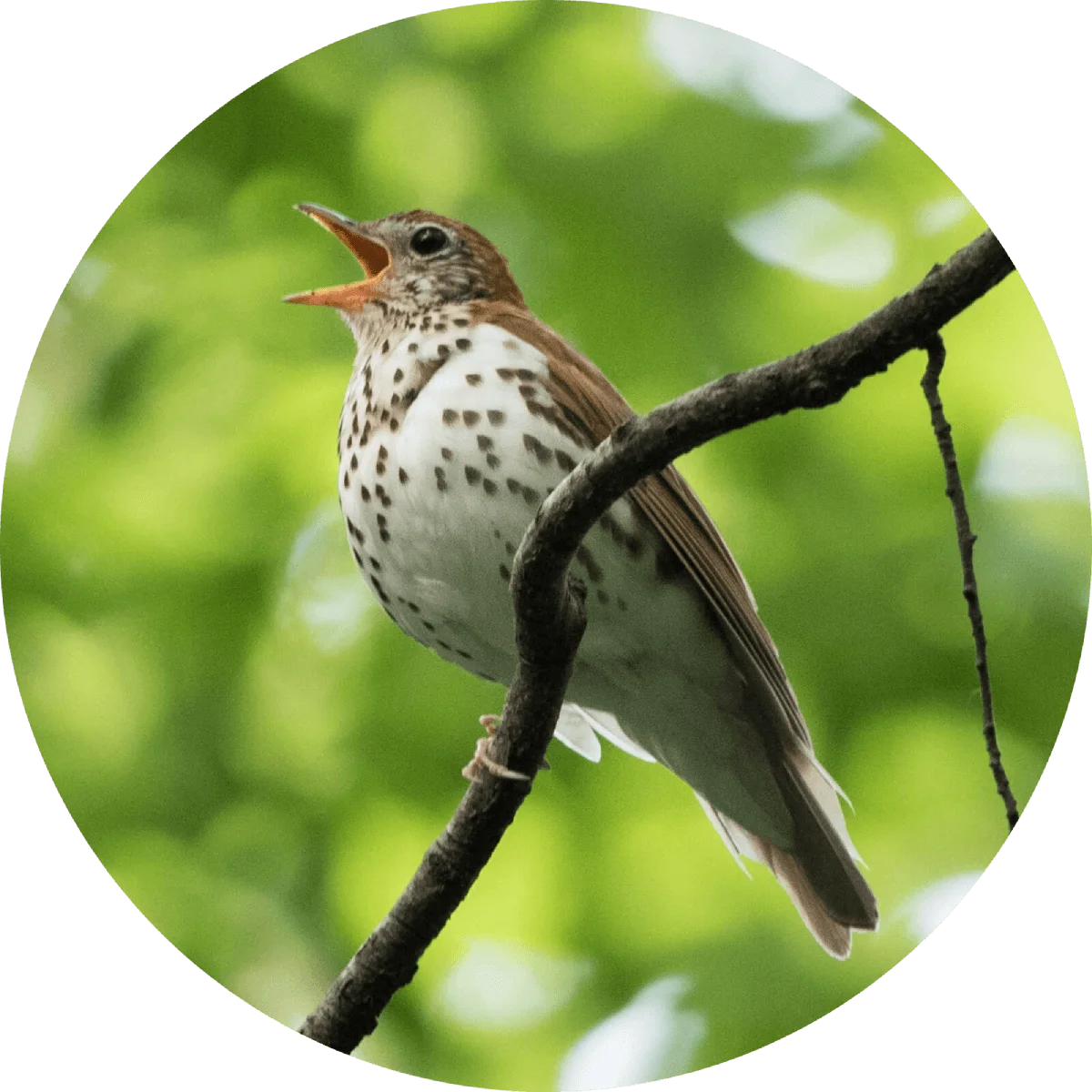
Discover ecological histories and stories of former abundance, loss, and recovery on the map of memory.
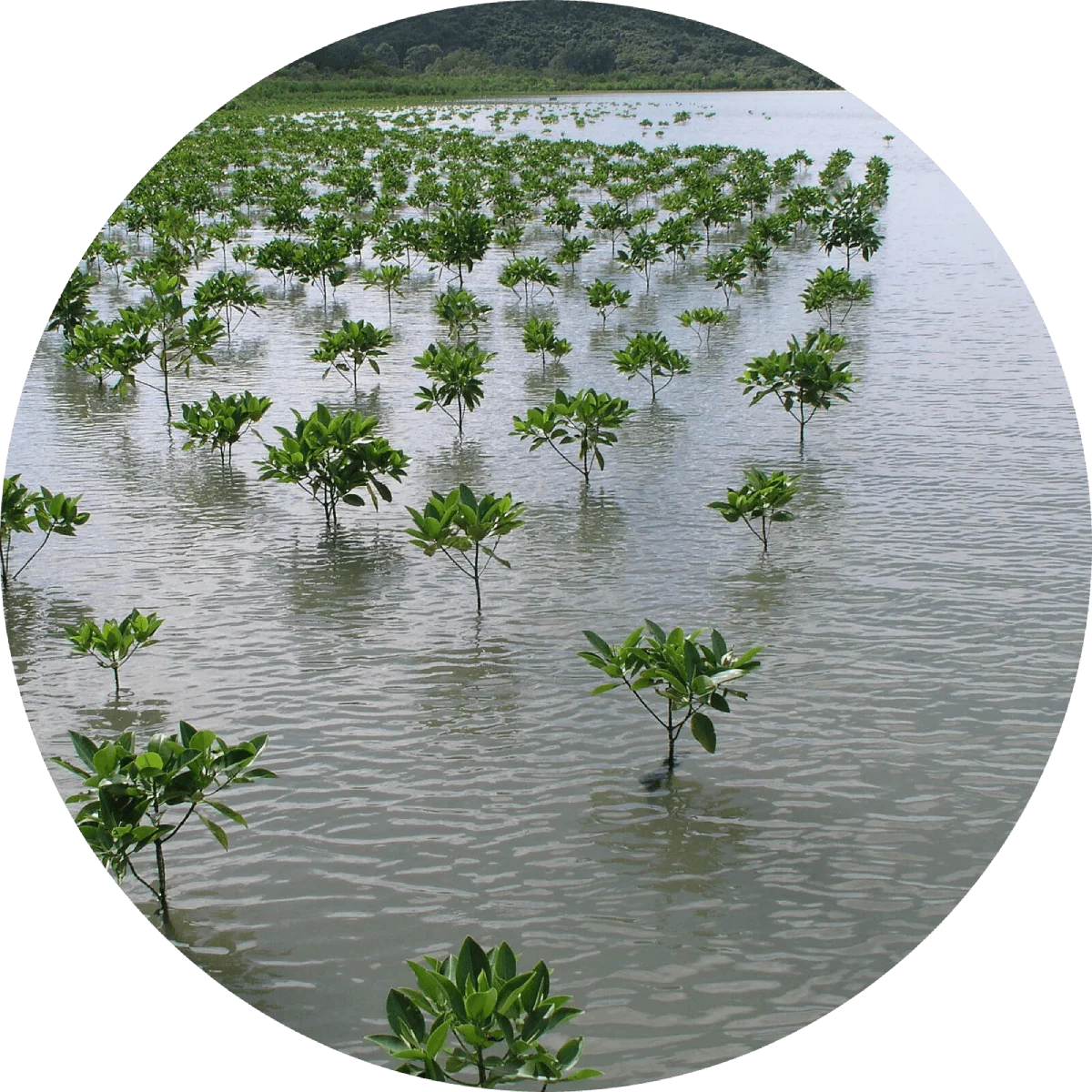
Learn how we can reduce our emissions and protect and restore species and habitats – around the world.

See how art can help us rethink the problems we face, and give us hope that each one of us can make a difference.

Help make a global memorial something personal and close to home. Share your stories of the natural world.