White Winters
Personal memory by Carla Tenu
2017 • Corbeanca, Romania
What is disappearing is the snow that once shaped winter in my childhood in Romania, not just snow as weather, but snow as a landscape condition that reorganized everyday life. When winter came, everything turned white for at least 3 months. Schools closed often. My entire world changed. My neighborhood transformed into a shared outdoor space where every kid came outside, geared up for snow fights. We built bases carved into the snow, prepared ammunition ahead of time, and treated these battles like serious collective events. Snow was not a backdrop; it was an active force that structured how we moved, played, and related to one another. This landscape was situated on the edge of a forest you had to drive through to reach our neighborhood. In other seasons, you could look at your phone and not think twice. But in winter, it felt impossible, almost disrespectful, not to look. Tall, leafless trees bent under the weight of snow, forming a white forest that felt clean, heavy, and alive. Snow simplified the landscape in a particular way: it covered paths, ramps, and boundaries, allowing new uses to emerge. Bicycle ramps disappeared and became hills to sleigh down. My dad would take me and my brother on walks with our family dog, pulling us behind him in a sleigh. What has changed is the unevenness of winter itself. Climate change and global warming have reshaped Romanian winters into something patchy and unstable. Snow now arrives later, lasts only a few days, and rarely accumulates. Instead of a sustained white cover, warming temperatures cause rapid melting followed by freezing. Snow proliferates into ice and brown slush, mixing with dirt and asphalt. This is not just loss but reconfiguration: a simplified winter landscape that no longer holds snow long enough to support shared play, long walks, or collective attention. What disappears is not only snow, but the possibilities it once sustained.

Learn about Maya Lin’s fifth and final memorial: a multi-platform science based artwork that presents an ecological history of our world - past, present, and future.
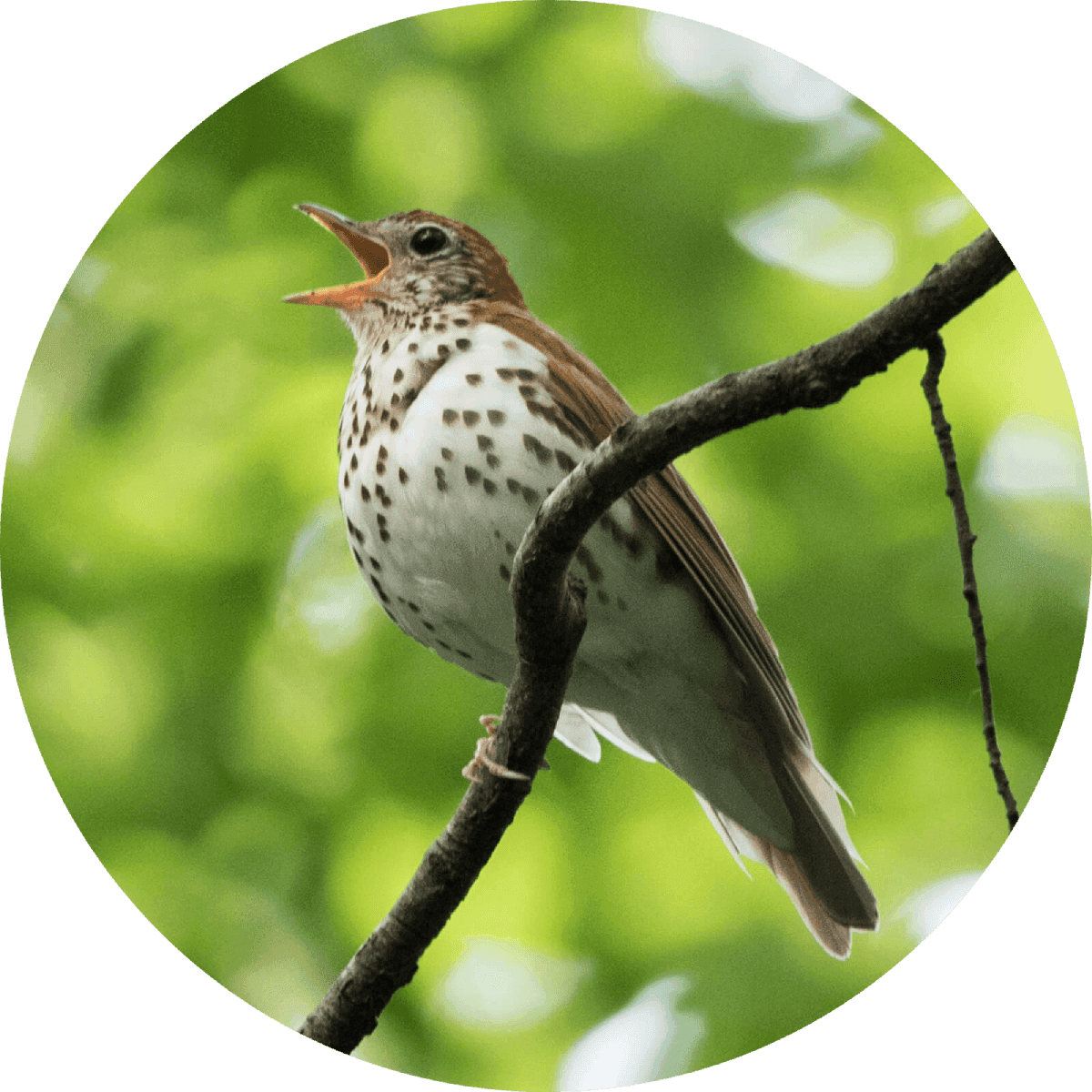
Discover ecological histories and stories of former abundance, loss, and recovery on the map of memory.
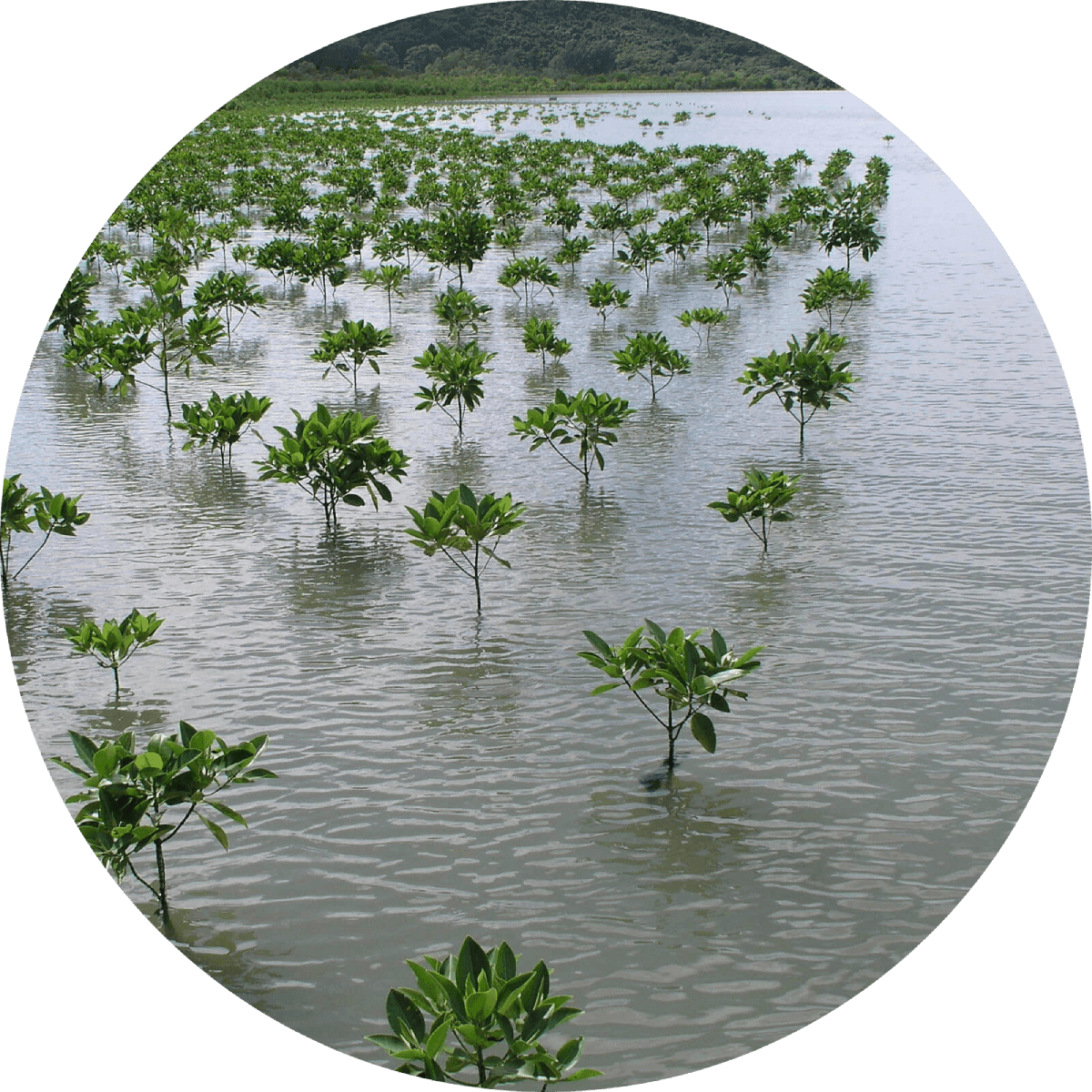
Learn how we can reduce our emissions and protect and restore species and habitats – around the world.
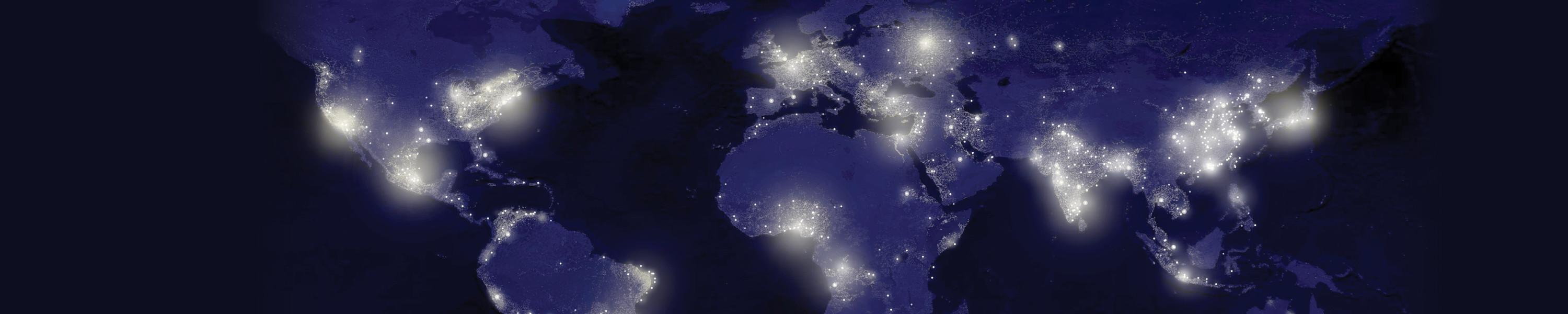
See how art can help us rethink the problems we face, and give us hope that each one of us can make a difference.
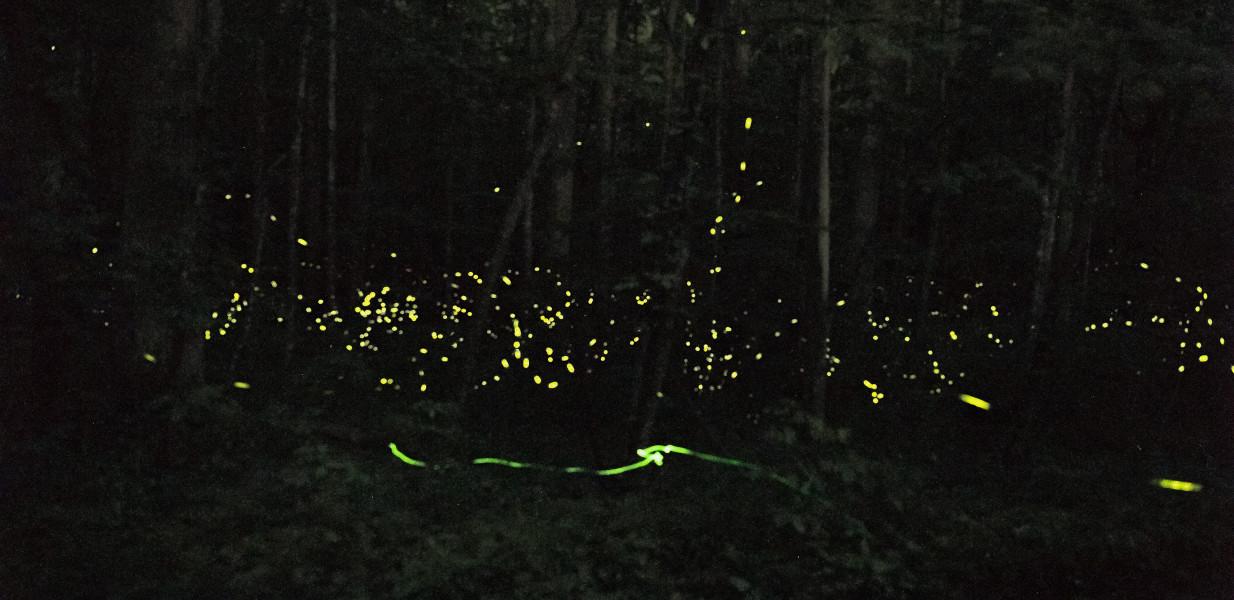
Help make a global memorial something personal and close to home. Share your stories of the natural world.