
The Range of the Gray Wolf
1630 CE - 2022 CE
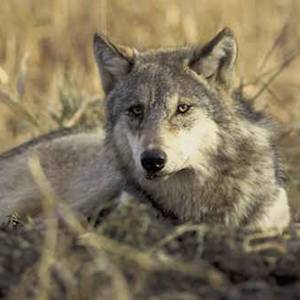
Once the world’s most widely distributed land mammal, the gray wolf was systematically eradicated from the continental United States in the 20th century. Listed for protection in 1973 under the Endangered Species Act, the gray wolf was reintroduced in the American west, and made a limited recovery. In Yellowstone National Park the return of wolves reduced overgrazing from elk, which led to streambed regeneration of willow and aspen, and reduced the population of coyotes which led to increased pronghorn and red fox. In 2009, hunting gray wolves was legalized in Idaho and Montana, to reduce attacks on livestock, but had little effect. Many ranchers continue to lobby for the removal of the gray wolf’s status as an endangered species, despite regaining less than 1-3% of their historic population. Scientists advocate for ongoing protections and reintroductions, for the long-term viability of the wolves, as well as their cascading effects of ecosystem rejuvenation.
- Defenders of Wildlife, The Guardian, Center for Biological Diversity
WHAT YOU CAN DO
Use non-lethal methods to protect livestock from wolves, such as guard animals, fencing, and range riders.
Support gray wolf recovery and reintroduction programs, which help restore balance to ecosystems by controlling overpopulated prey and benefiting species like beavers, elk, and willows.
Advocate for science-based wolf management policies and support organizations working to ensure wolves are protected under environmental laws.
FOR MORE INFORMATION AND HOW TO HELP
Visit:
film: National Geographic
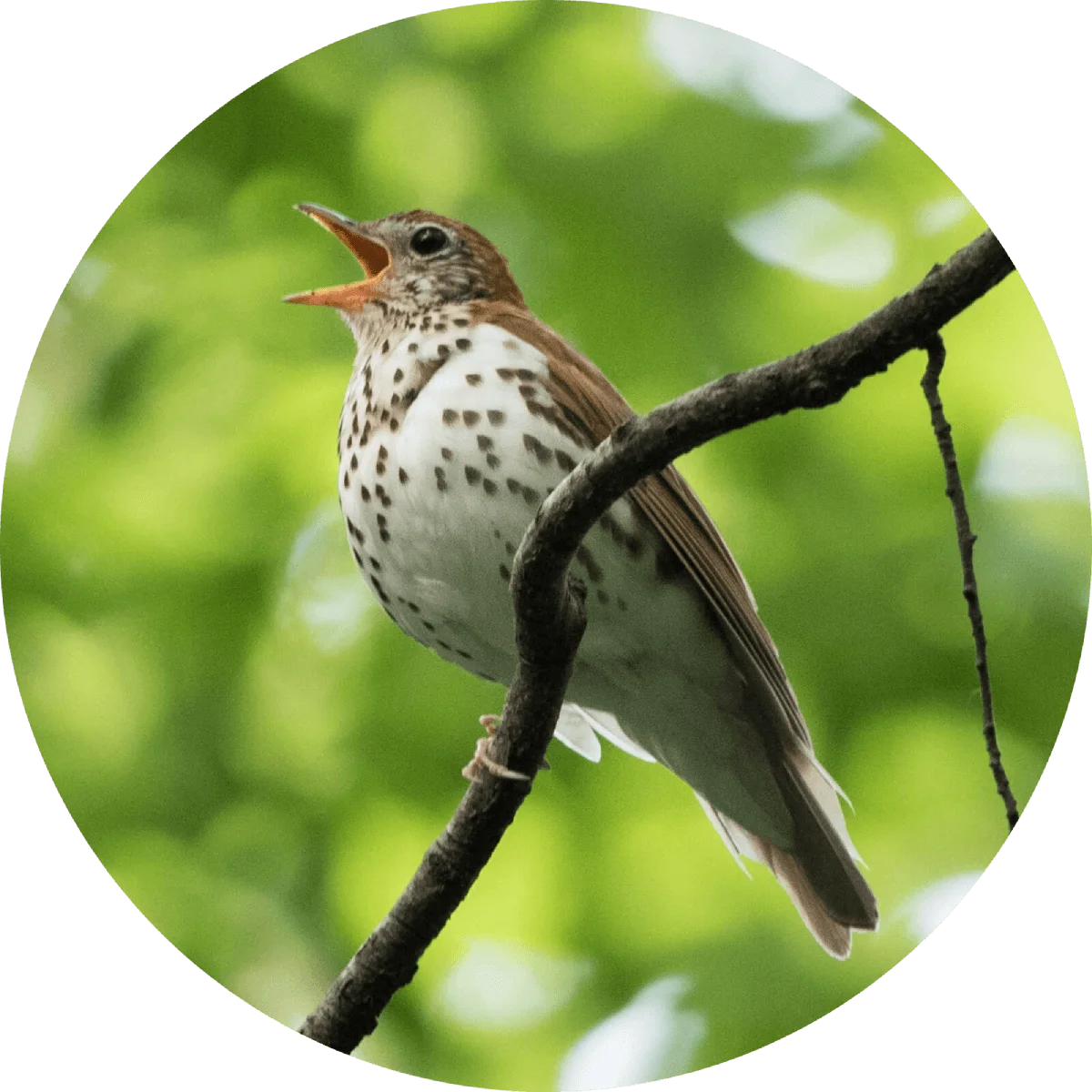
sound: Cornell Lab of Ornithology

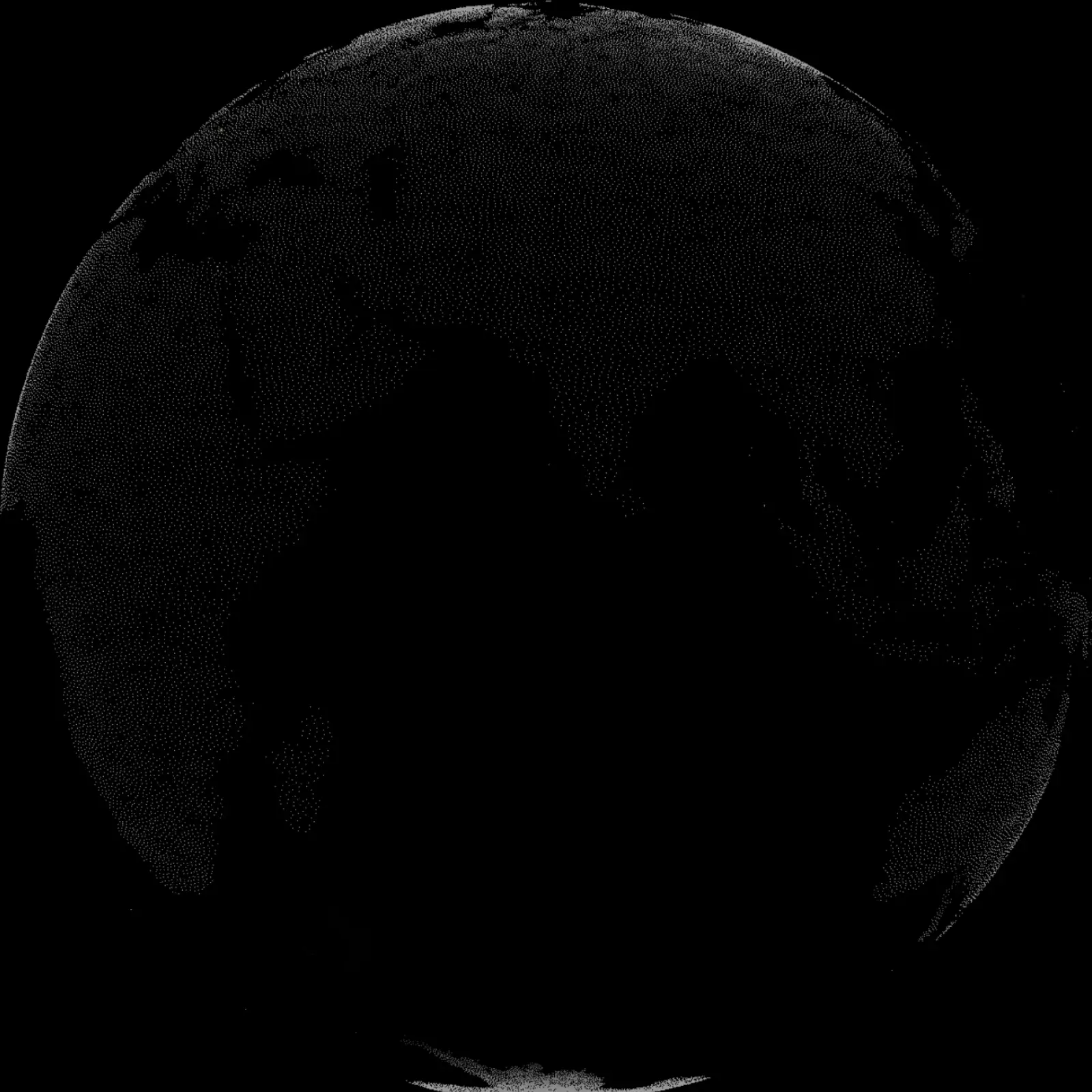

Learn about Maya Lin’s fifth and final memorial: a multi-platform science based artwork that presents an ecological history of our world - past, present, and future.
Discover ecological histories and stories of former abundance, loss, and recovery on the map of memory.
Learn how we can reduce our emissions and protect and restore species and habitats – around the world.

See how art can help us rethink the problems we face, and give us hope that each one of us can make a difference.

Help make a global memorial something personal and close to home. Share your stories of the natural world.