
The Prairie Chickens of North America
1850s - 2022 CE
Historically numbering in the millions, the population of prairie chickens has dropped dramatically since the 19th century. Of the three remaining subspecies the greater prairie chicken has plummeted by over 66% since 1968, the lesser prairie chicken has declined by 97%, and just a few hundred Attwater’s prairie chickens remain in the wild. The heath hen, which ranged from New Hampshire to Virginia in colonial times, was once “so plentiful that it was a staple food… in coastal New England.” Aggressive hunting caused rapid population decline. The last heath hen was sighted on March 11, 1932. Today prairie chickens are threatened by sprawling development. Contiguous habitat and captive breeding programs are desperately needed to reverse negative population trends and bring back the prairie chicken.
IUCN and National Geographic
WHAT YOU CAN DO
Support efforts to preserve habitat and restore prairies. Encourage land management agencies to reestablish prairie chickens after habitat is restored.
Look for ranchers in the Audubon Conservation Ranching program or those enrolled in NRCS Working Lands for Wildlife, producers actively maintaining prairie-chicken habitat.
Visit prairie-chickens on their spring mating grounds at dawn and help count the birds for population monitoring.
FOR MORE INFORMATION AND HOW TO HELP
Visit:
film: Cornell Lab of Ornithology
sound: Cornell Lab of Ornithology

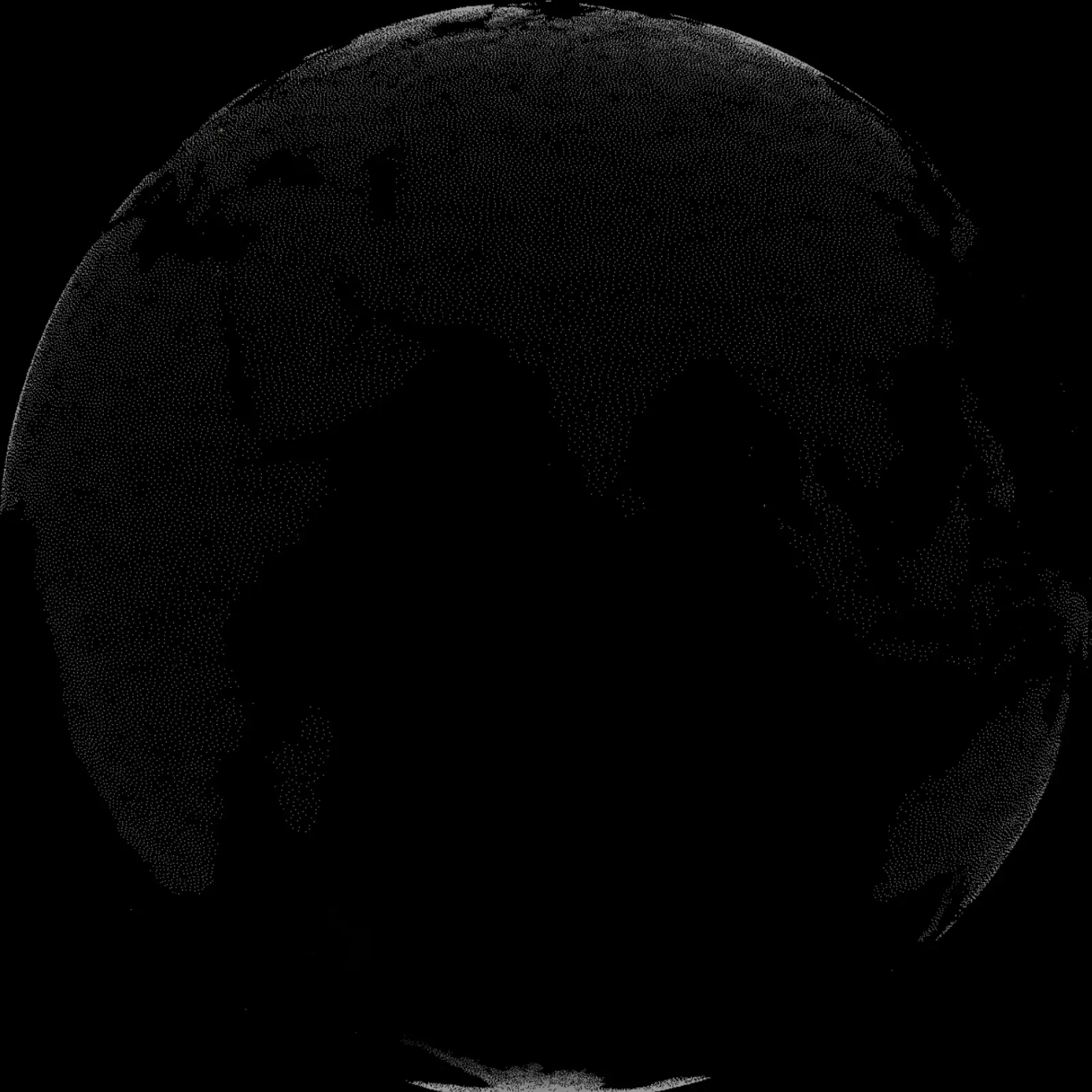

Learn about Maya Lin’s fifth and final memorial: a multi-platform science based artwork that presents an ecological history of our world - past, present, and future.
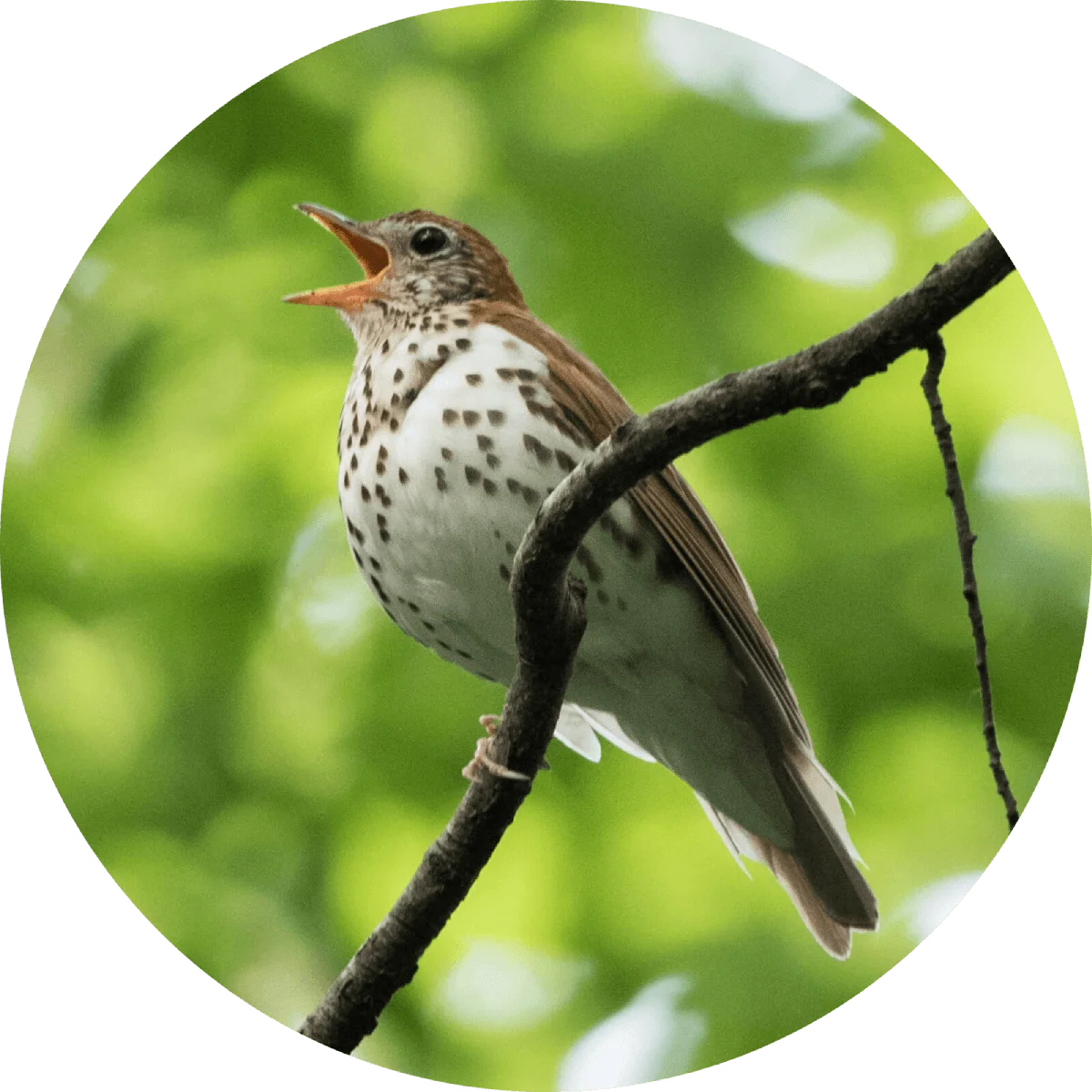
Discover ecological histories and stories of former abundance, loss, and recovery on the map of memory.
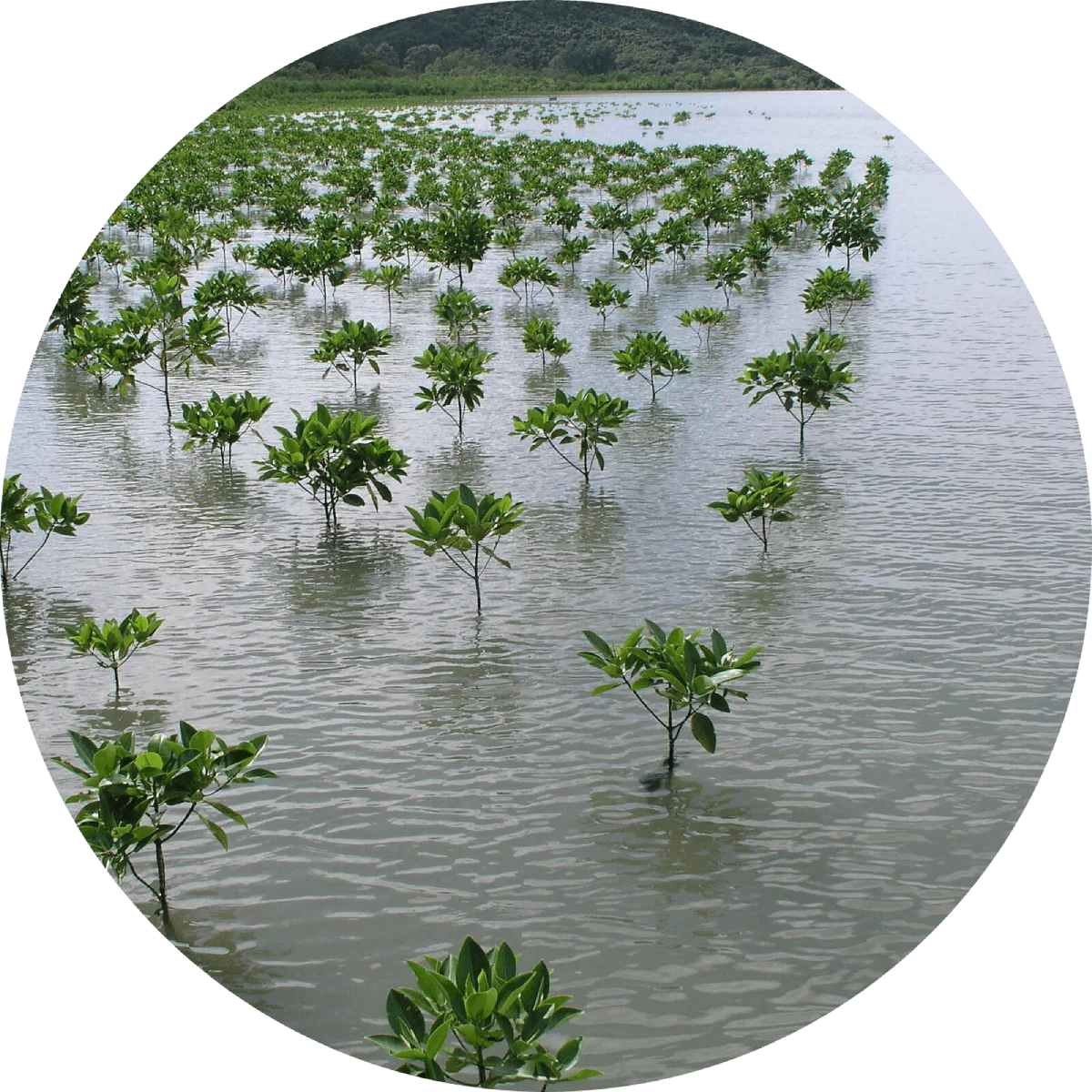
Learn how we can reduce our emissions and protect and restore species and habitats – around the world.

See how art can help us rethink the problems we face, and give us hope that each one of us can make a difference.

Help make a global memorial something personal and close to home. Share your stories of the natural world.