
The Oxygen in the Ocean
mid 1970s - 2022 CE
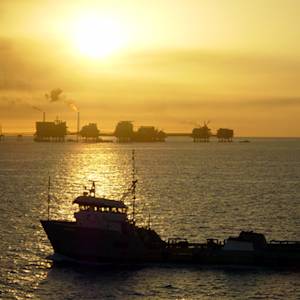
"Dead zones are areas in the oceans that can no longer support life. These “hypoxic” waters have been polluted by chemical fertilizer runoff from crops and lawns. These chemical pollutants cause harmful algae blooms which deprive the oceans of the oxygen and suffocating the species below. There are more than 30 human-caused dead zones around the world in enclosed waters. In the Gulf of Mexico off the Mississippi River delta a huge dead zone appeared in the mid-1970s which at its largest reached 21,000 square kilometers. In the past two decades, additional reports of dying or depleted areas in coastal seas and estuaries across the globe have emerged."
- MSNBC & Scientific American
WHAT YOU CAN DO:
Use organic, sustainable, and native landscaping to reduce fertilizer runoff entering rivers and oceans.
Support organic, regenerative, and pasture-based farming to cut the massive nutrient runoff from industrial livestock operations.
Eat less meat to reduce demand for feedlots and factory farms that pollute waterways.
FOR MORE INFORMATION
film: Pond 5
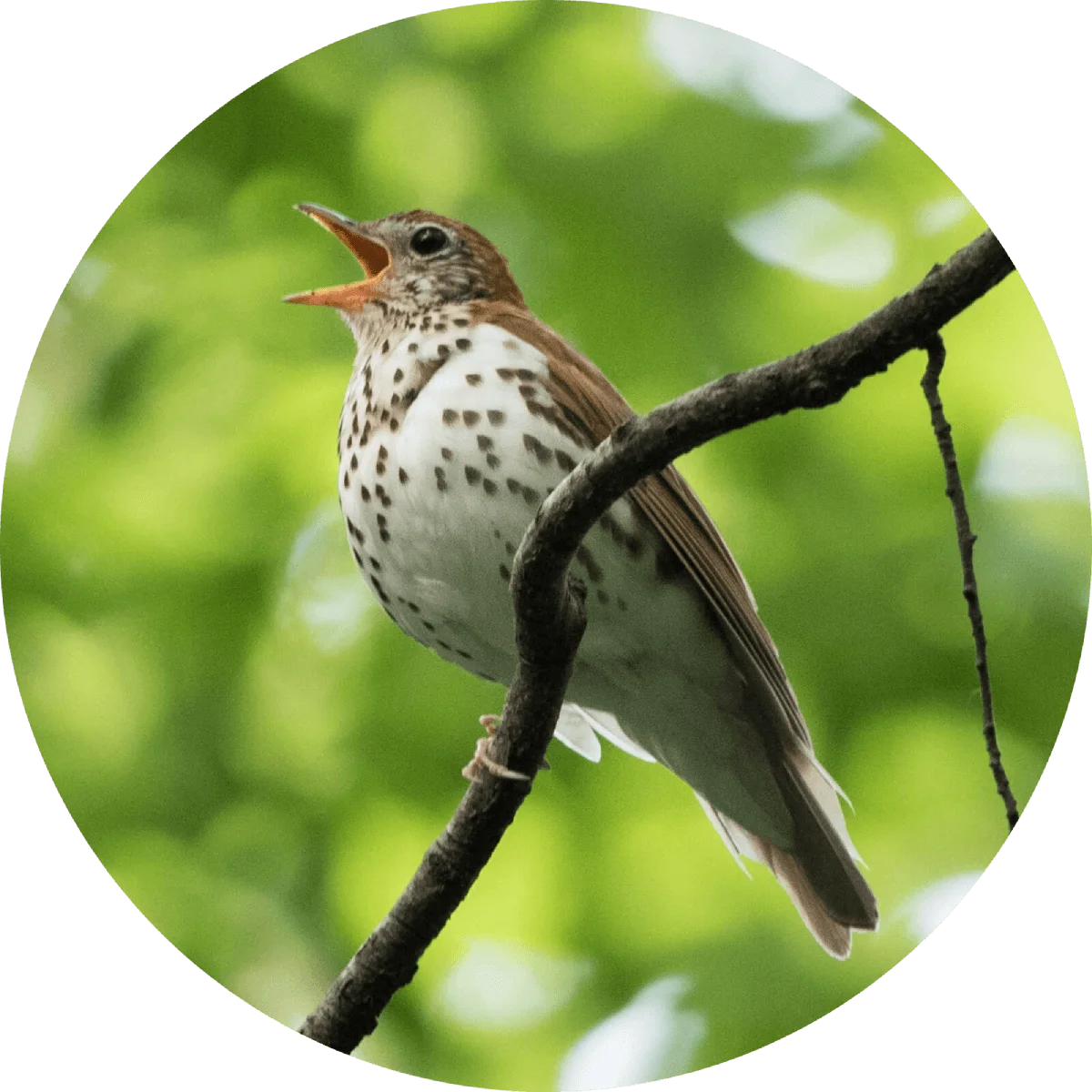
sound: Cornell Lab of Ornithology

Learn about Maya Lin’s fifth and final memorial: a multi-platform science based artwork that presents an ecological history of our world - past, present, and future.
Discover ecological histories and stories of former abundance, loss, and recovery on the map of memory.
Learn how we can reduce our emissions and protect and restore species and habitats – around the world.

See how art can help us rethink the problems we face, and give us hope that each one of us can make a difference.

Help make a global memorial something personal and close to home. Share your stories of the natural world.