The Loss Of My Home
Personal memory by Semyon Borshchev
2008 CE • Norilsk, Russia
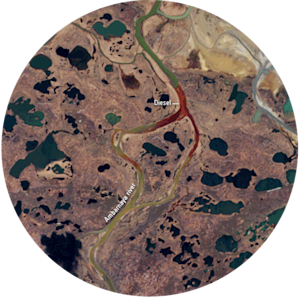
I remember when this place was green. There were trees, grass, and water that people trusted—land that could be walked on, farmed, and lived with. What is missing now is that trust. Chemical production, mining, and lead processing have slowly erased the possibility of safe living, replacing fertile ground with poisoned soil and air. The landscape today looks flat and exhausted, crossed by power lines and distant industrial structures. It no longer functions as a shared living space but as an industrial patch, organized to extract and transport materials. Humans remain only as workers, while plants, animals, and bodies absorb the costs. This is a patchy Anthropocene. Toxicity gathers here unevenly, allowing other places to stay clean. Industrial simplification reduced a diverse landscape into a production zone, and feral proliferations—pollution, heavy metals, sickness—spread beyond control. This loss matters because it closes off futures. What was once a living landscape is now locked into a single, damaging history.


Learn about Maya Lin’s fifth and final memorial: a multi-platform science based artwork that presents an ecological history of our world - past, present, and future.

Discover ecological histories and stories of former abundance, loss, and recovery on the map of memory.
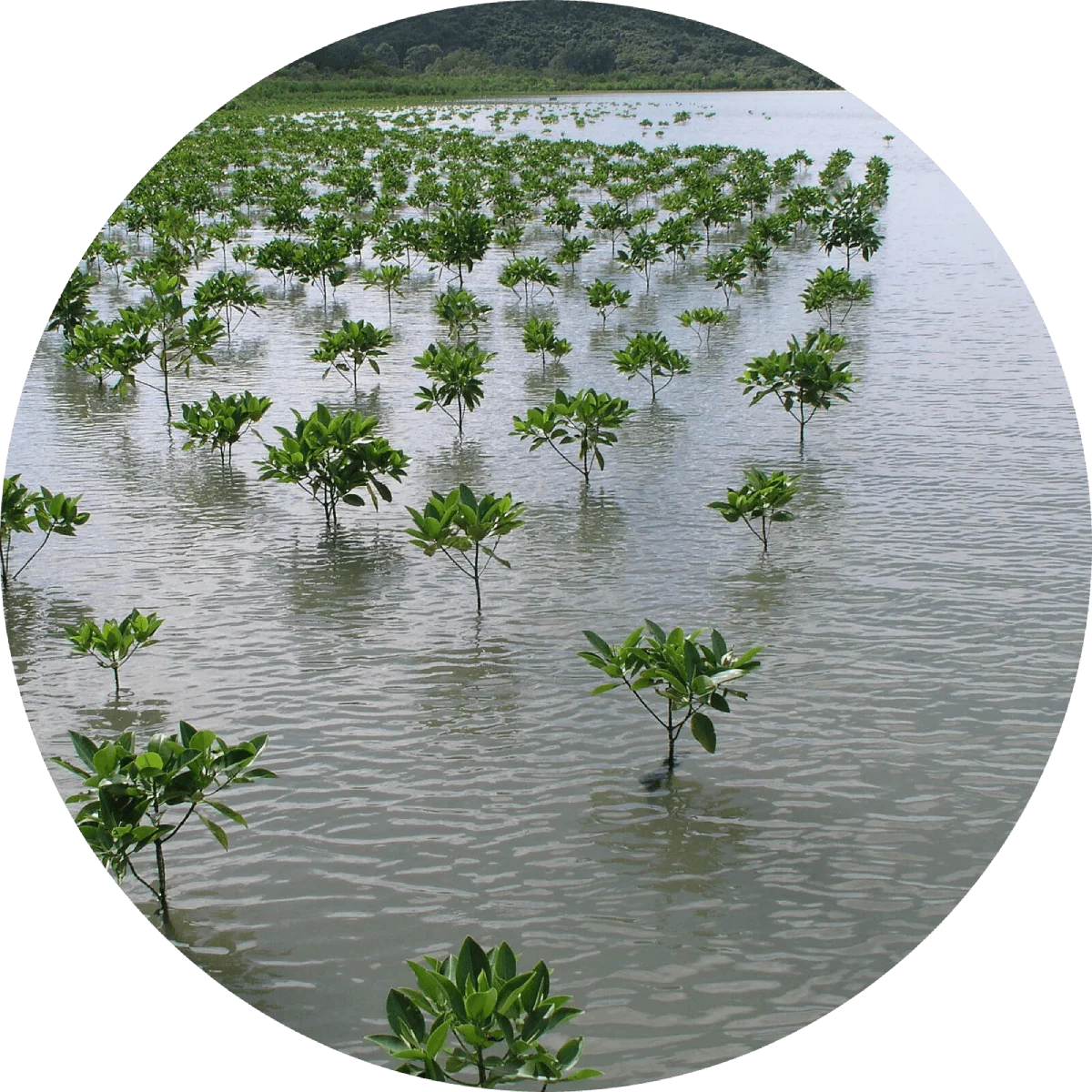
Learn how we can reduce our emissions and protect and restore species and habitats – around the world.

See how art can help us rethink the problems we face, and give us hope that each one of us can make a difference.

Help make a global memorial something personal and close to home. Share your stories of the natural world.