The Field That Slowly Closed
Personal memory by Krishna Tiwari
2020 CE • Home rishikesh, THDC Colony, Rishikesh, Uttarakhand, India
Near my home there used to be an open field with uneven ground, scattered trees, and narrow dirt paths formed by people walking across it every day. It was not an official park, but it was used constantly. Children played there in the evenings, older people sat and talked, dogs rested in the shade, and birds nested in the trees. During the monsoon, the soil absorbed water and small plants grew on their own. The place worked as a shared space where people and other forms of life existed together without strict rules or clear boundaries. Over time, this field began to disappear. Parts of it were fenced off, trees were cut down, and construction slowly took over. Eventually, apartment buildings and paved roads replaced most of the land. What had once supported many different activities was reduced to a single purpose: housing and movement. The space became more controlled and predictable, but also less open and flexible. This change did not happen by accident. The field was treated as empty and unused, which made it easy to replace with development. The needs of construction and infrastructure were prioritized, while informal social life and non-human presence were pushed aside. Some people benefited from new buildings and better access, while others lost a place for gathering, play, and everyday interaction. Birds, insects, and plants that depended on the field could no longer survive in the new environment. This loss matters because it changed what the area can support. A space that once allowed many forms of life and activity has been narrowed into something rigid and limited. Even though the field is gone, its absence continues to shape how the neighborhood feels and functions.

Learn about Maya Lin’s fifth and final memorial: a multi-platform science based artwork that presents an ecological history of our world - past, present, and future.
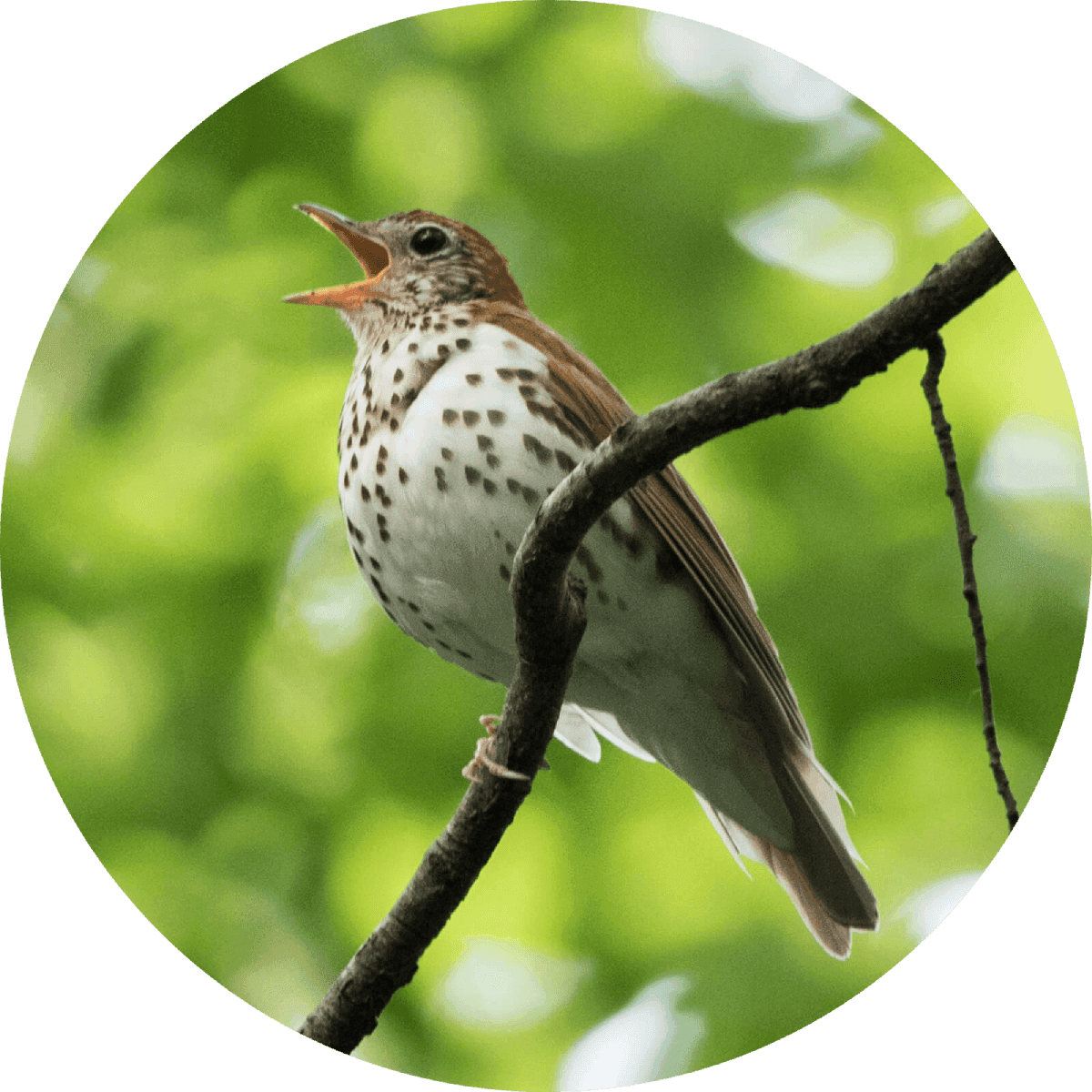
Discover ecological histories and stories of former abundance, loss, and recovery on the map of memory.
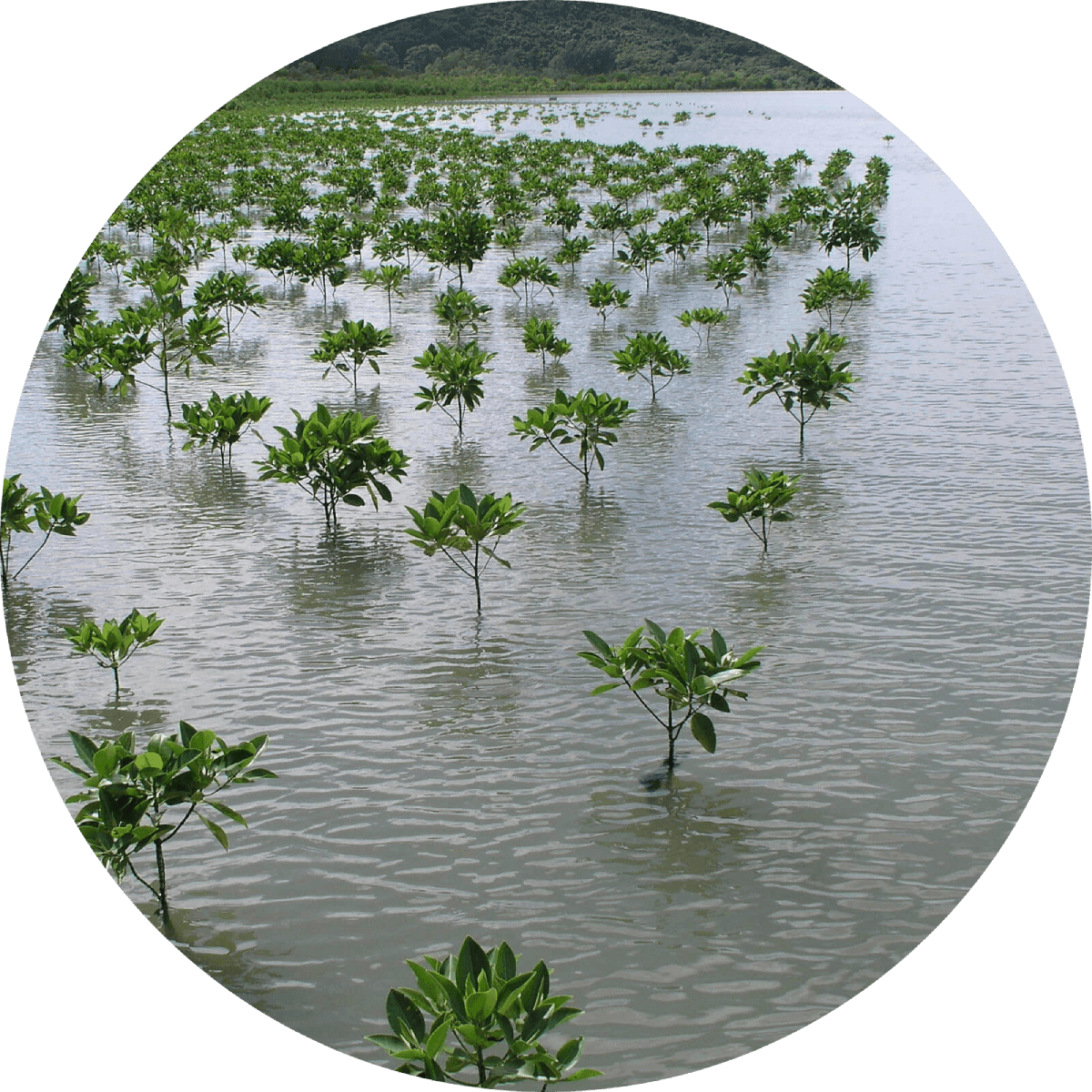
Learn how we can reduce our emissions and protect and restore species and habitats – around the world.
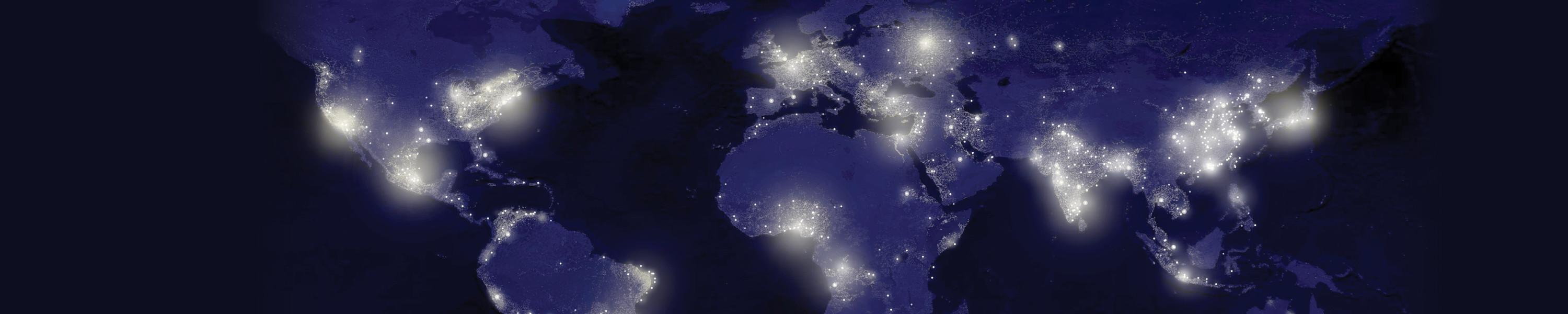
See how art can help us rethink the problems we face, and give us hope that each one of us can make a difference.
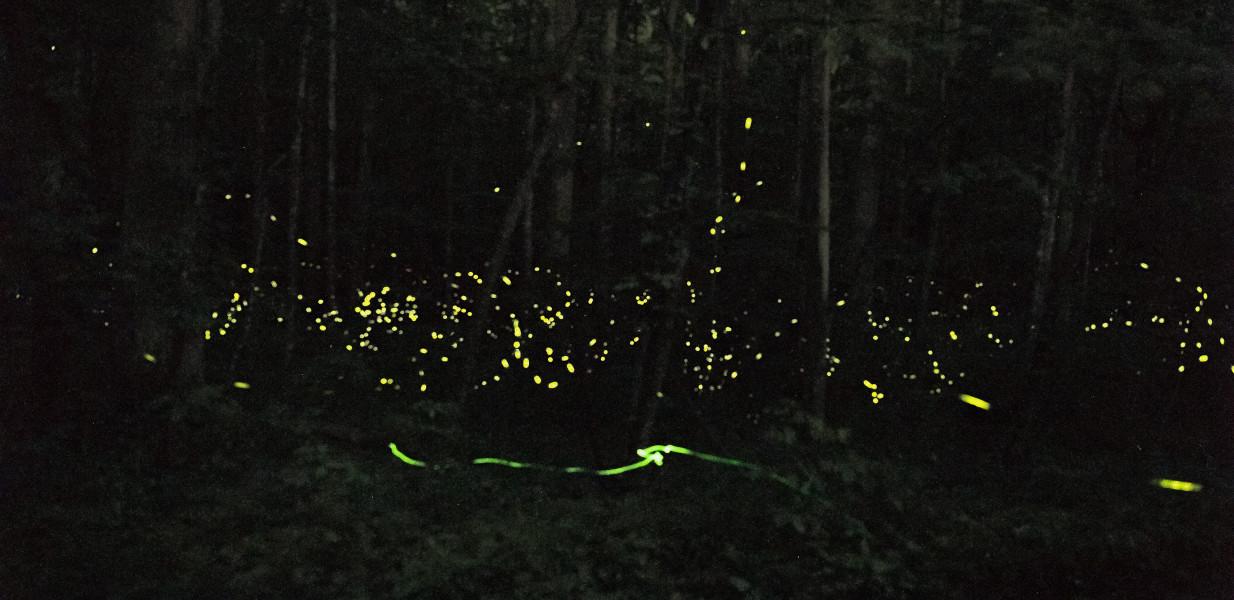
Help make a global memorial something personal and close to home. Share your stories of the natural world.