
The Eastern Elk
1880 CE
“By the late 1400s elk were the most widespread hoofed animal in the New World and could be found throughout most of North America. Eastern elk inhabited the vast forests of eastern Canada and the eastern United States as far west as the Mississippi River. As people continued to settle in the region over the next few centuries elk populations decreased due to over-hunting and the loss of their dense woodland habitat. Naturalist John James Audubon reportedly mentioned that by 1851 a few elk could still be found in the Alleghany Mountains but that they were virtually gone from the remainder of their range. By the end of the nineteenth century the Eastern elk was completely extinct.”
- US Fish & Wildlife Service
WHAT YOU CAN DO
Give elk space. Never approach or feed them, and slow down when driving through elk range to prevent collisions and stress.
Choose FSC-certified wood and paper. This reduces pressure on the forests and grasslands that elk—especially the reintroduced Rocky Mountain Elk—depend on.
Support healthy corridors and open space. Back local parks and land-preservation efforts that reduce fencing barriers and keep landscapes connected.
FOR MORE INFORMATION AND HOW TO HELP
Visit:
Yellowstone to Yukon Conservation Initiative https://y2y.net/
National Parks Conservation Association https://www.npca.org/parks/yellowstone-national-park
National Wildlife Federation (NWF) https://www.nwf.org/Our-Work/Habitats/Wildlife-Corridors
film: The California Academy of Sciences
sound: The Cornell Lab of Ornithology

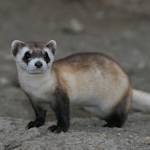


Learn about Maya Lin’s fifth and final memorial: a multi-platform science based artwork that presents an ecological history of our world - past, present, and future.
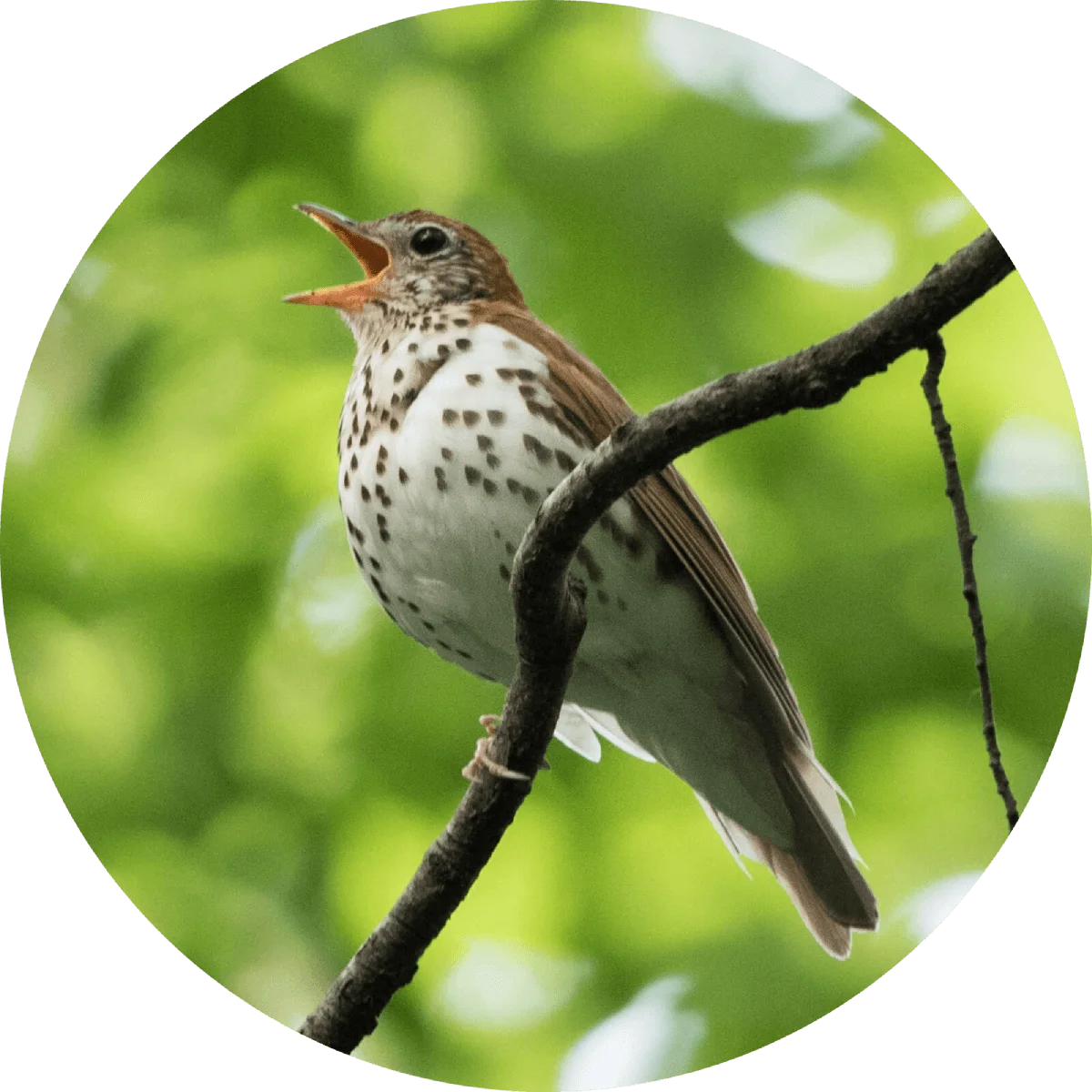
Discover ecological histories and stories of former abundance, loss, and recovery on the map of memory.
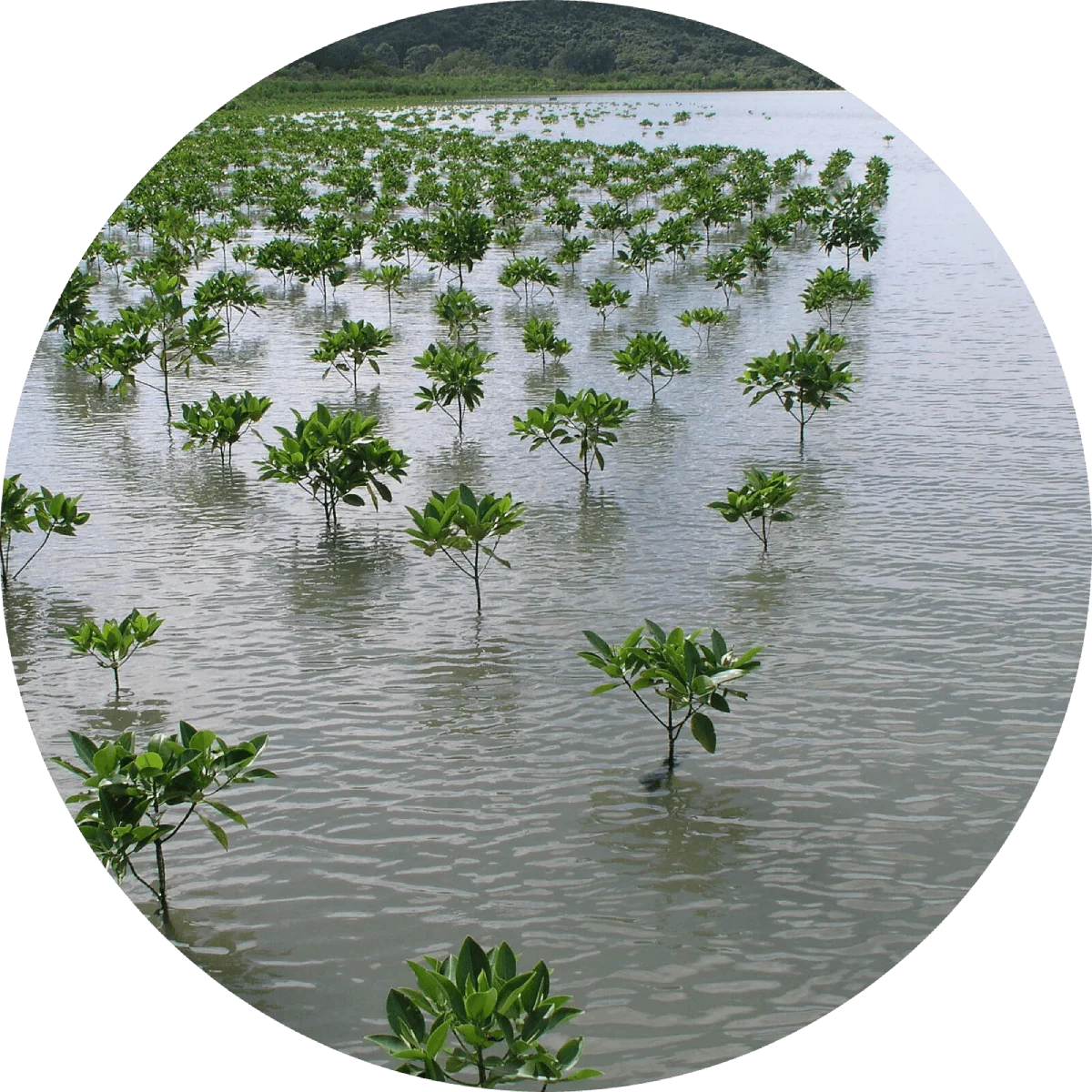
Learn how we can reduce our emissions and protect and restore species and habitats – around the world.

See how art can help us rethink the problems we face, and give us hope that each one of us can make a difference.

Help make a global memorial something personal and close to home. Share your stories of the natural world.