The Disappearing Riverbank Path
Personal memory by Marc Amargos
2012 • Paris, France
What is missing from the landscape I remember is a narrow dirt path that once followed the riverbank near my childhood neighborhood. It was not officially marked or planned, but it functioned as a shared corridor for walking, fishing, and informal encounters. Over time, this path disappeared, replaced by reinforced concrete embankments and fenced infrastructure designed to control flooding and standardize the river’s edge. This landscape was uneven and patchy. Some sections flooded seasonally, others remained dry. Vegetation constantly reshaped the path, and access depended on the river’s movement. The path existed through repeated human use, but it was also shaped by more-than-human relations: water flow, plants, insects, and animals all participated in how the space functioned. The disappearance of the path reflects processes of simplification. Flood-control and urban development policies prioritized predictability and efficiency over informal, adaptive use. This transformation did not occur evenly. Some parts of the riverbank remain semi-wild, while others are completely sealed off, producing a fragmented landscape rather than a coherent one. This loss matters because it changes what the landscape can do. The riverbank is now technically safer but relationally poorer. Informal access, shared memory, and everyday human–non-human encounters have been reduced. What remains is a landscape where certain forms of coexistence have been made impossible, while others are allowed to proliferate.

Learn about Maya Lin’s fifth and final memorial: a multi-platform science based artwork that presents an ecological history of our world - past, present, and future.
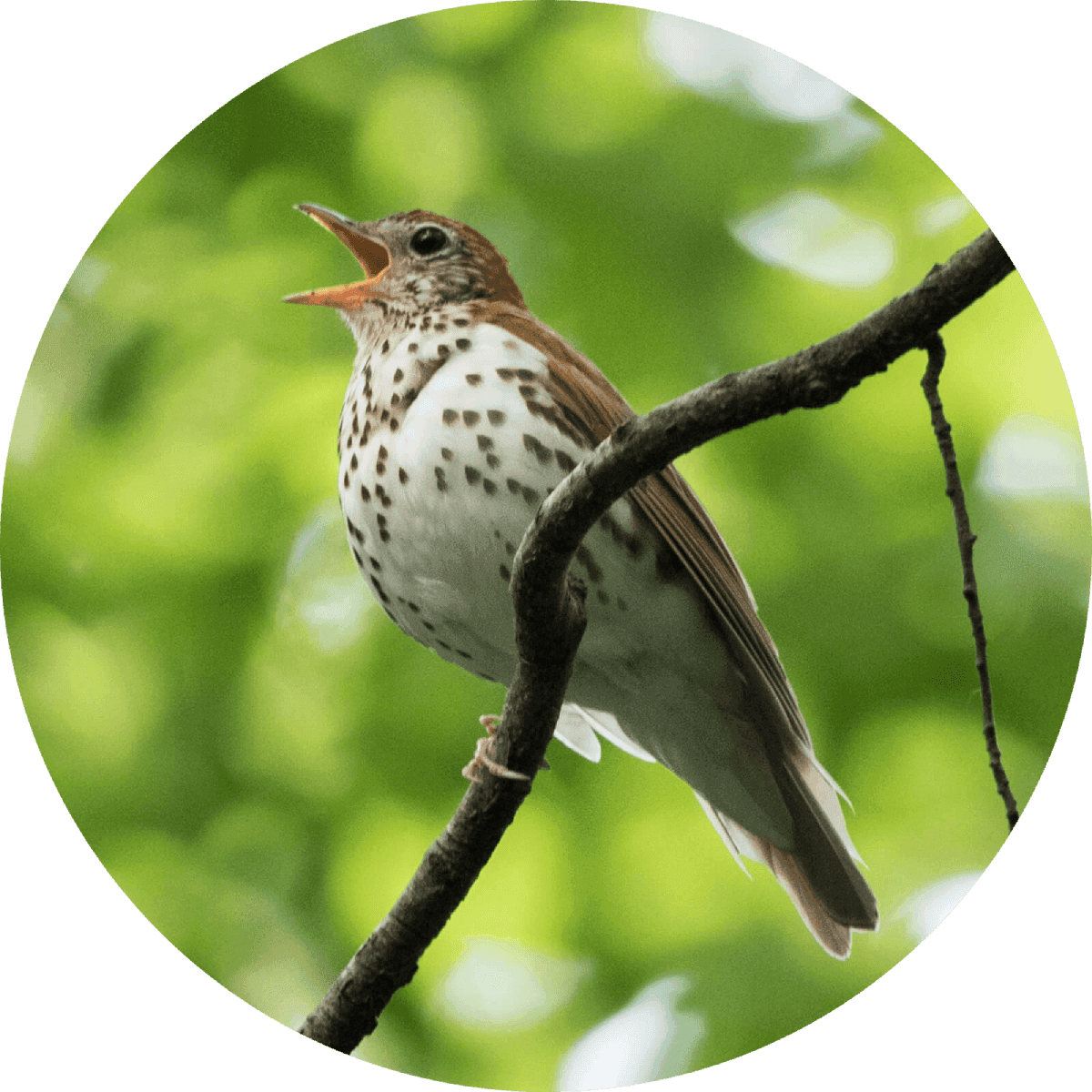
Discover ecological histories and stories of former abundance, loss, and recovery on the map of memory.
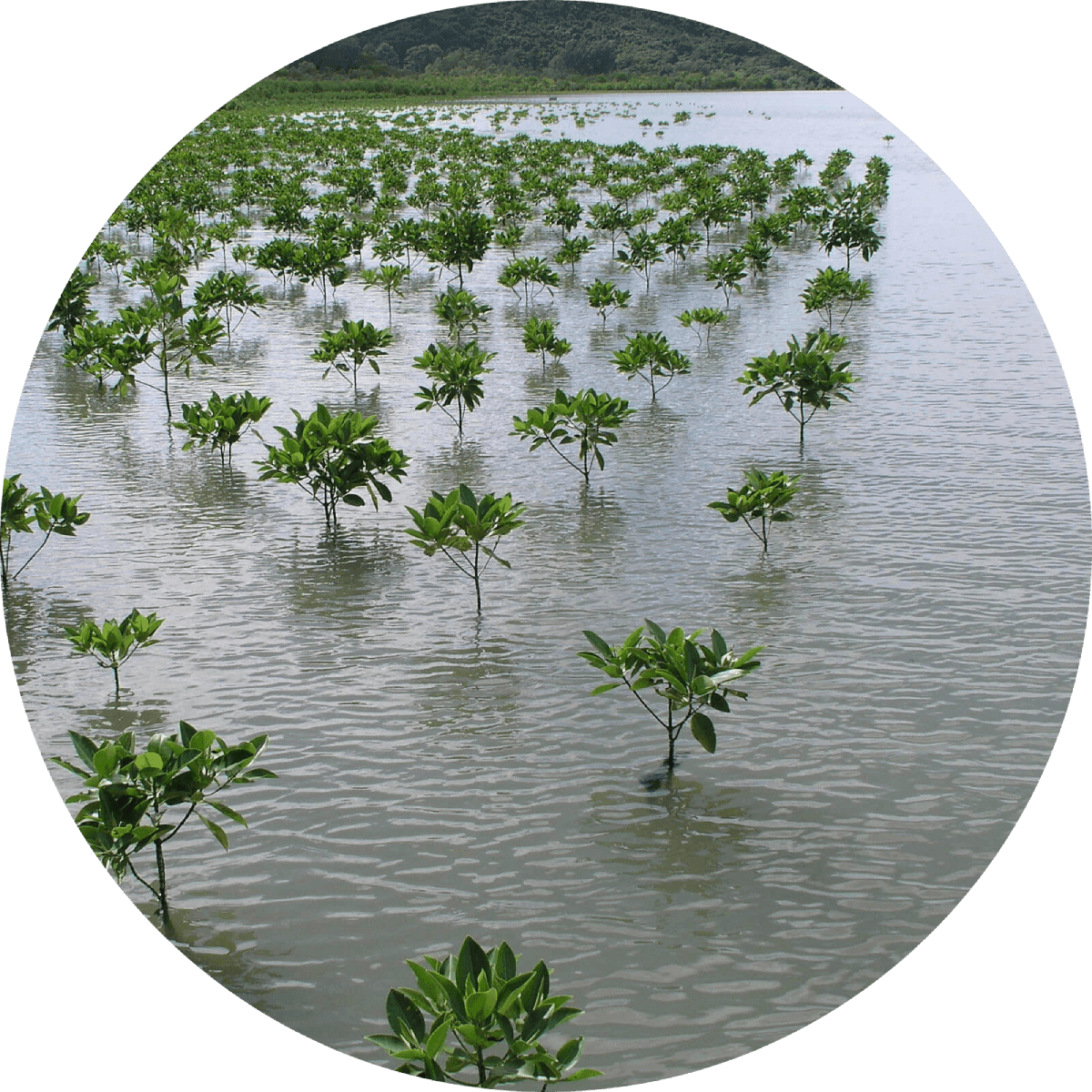
Learn how we can reduce our emissions and protect and restore species and habitats – around the world.
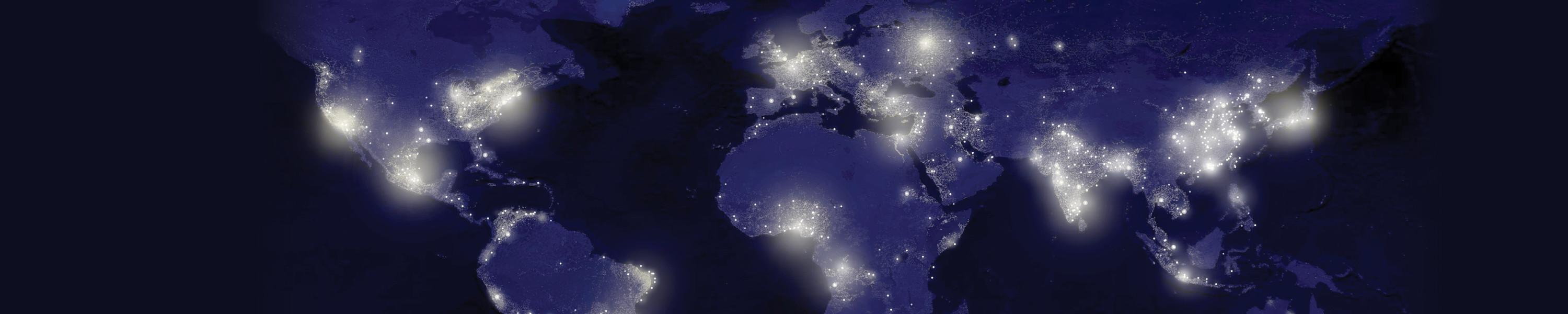
See how art can help us rethink the problems we face, and give us hope that each one of us can make a difference.
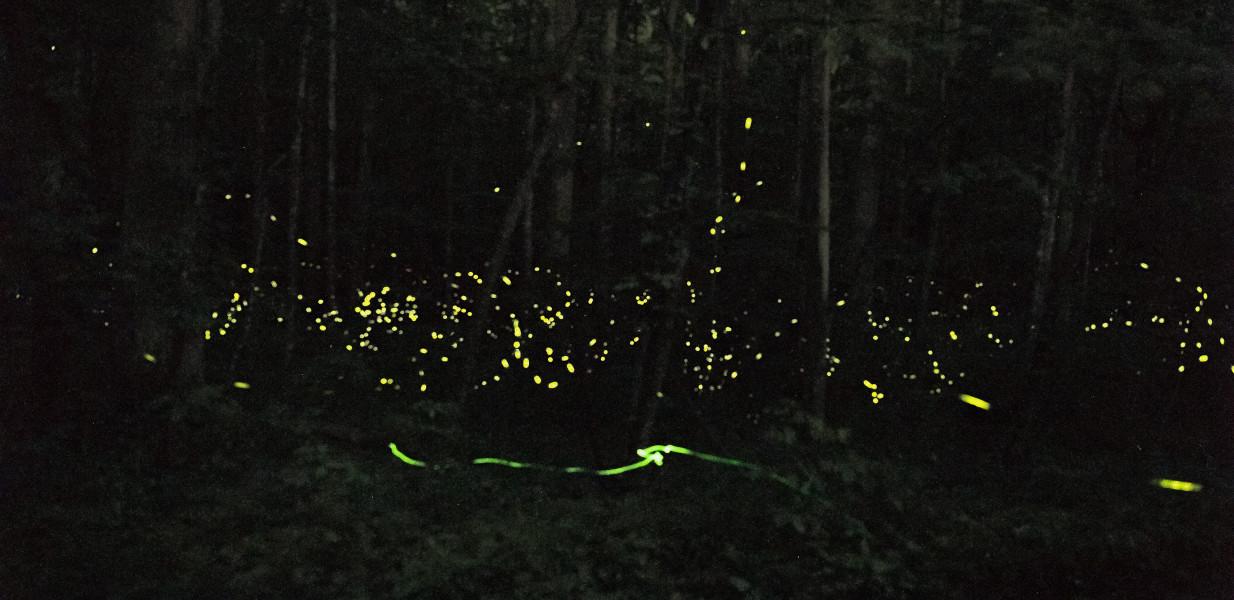
Help make a global memorial something personal and close to home. Share your stories of the natural world.