
The Abundance Of Bison
1846 CE - 2026 CE
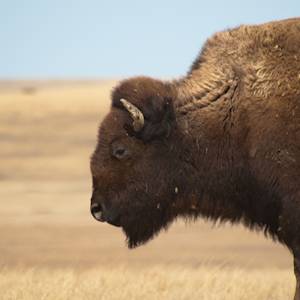
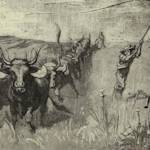
From the Great Basin of Nevada to the Atlantic Coast, 30 to 40 million bison once roamed in herds so vast they were impossible to count. Oral histories of the Lakota described them by the number of days they took to pass. In the 1800s unregulated hunting decimated populations. By 1889 only 85 free ranging bison were estimated to remain in the United States. In 1894 the first federal bison protection was signed into law. Today, 400,000 bison exist mostly as livestock, while approximately 30,000 exist in small conservation herds. Studies have shown that grazing bison increases plant diversity and soil quality across the migratory landscape. Conservation biologists and tribal leaders are advocating for rewilding where the bison once roamed.
NYT, William Hornaday, WWF
WHAT YOU CAN DO
Support land conservation efforts that preserve and restore the grasslands where bison can thrive.
Support Indigenous-led bison restoration and donate to or amplify tribal efforts bringing bison back to ancestral lands.
Contact legislators to support policies that treat bison as wildlife rather than livestock, especially regarding their ability to roam beyond park boundaries.
Support genetically pure free-ranging bison herds and open up migratory corridors.
FOR MORE INFORMATION AND HOW TO HELP
Visit:
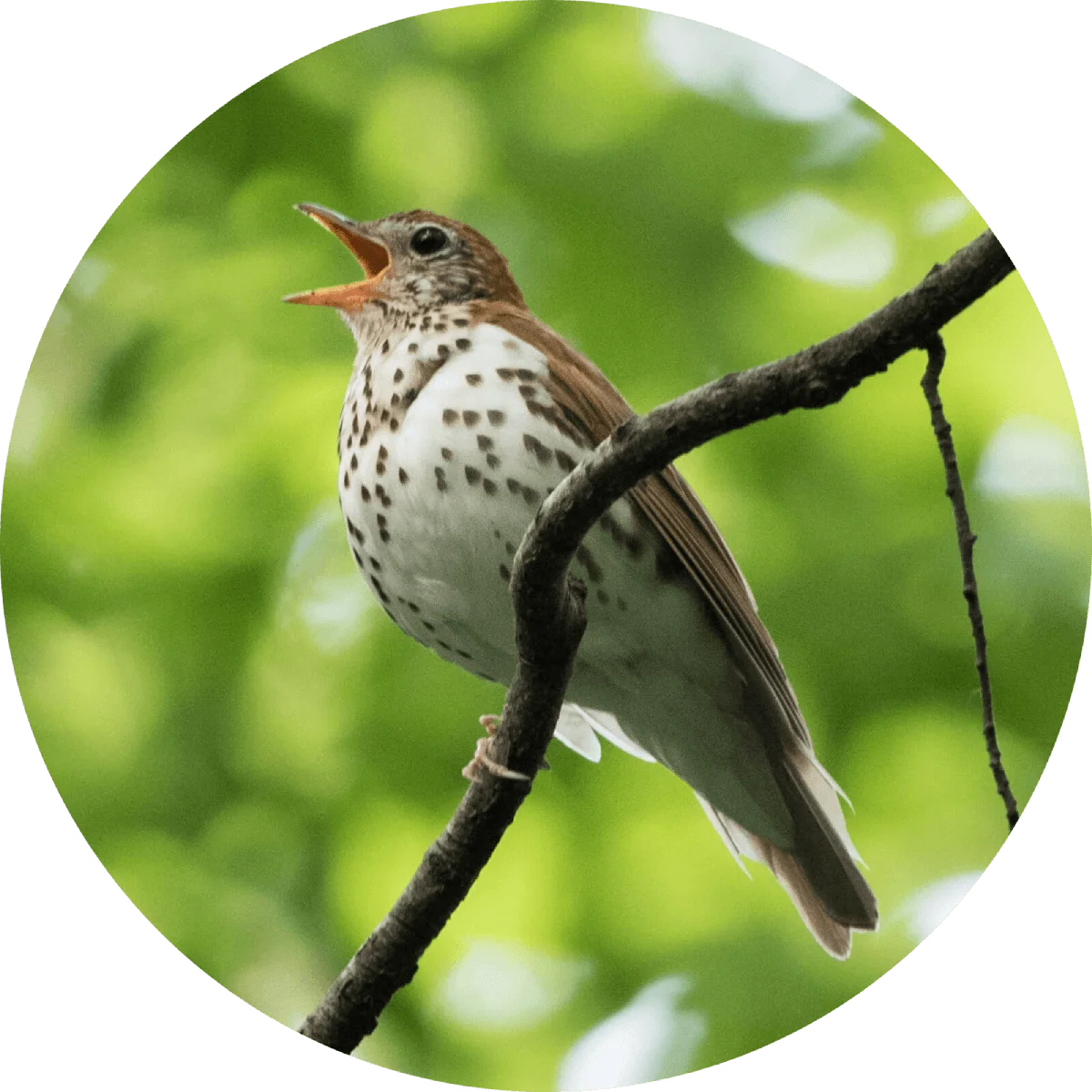
Macaulay Library, Cornell Lab of Ornithology
Image: Detroit Publishing Co., Copyright Claimant, and Publisher Detroit Publishing Co. Roosevelt, king of herd, at bay, and Carrie Nation, dehorned. Yellowstone National Park United States Wyoming, ca. 1907. Photograph.

Learn about Maya Lin’s fifth and final memorial: a multi-platform science based artwork that presents an ecological history of our world - past, present, and future.
Discover ecological histories and stories of former abundance, loss, and recovery on the map of memory.
Learn how we can reduce our emissions and protect and restore species and habitats – around the world.

See how art can help us rethink the problems we face, and give us hope that each one of us can make a difference.

Help make a global memorial something personal and close to home. Share your stories of the natural world.