

Sea Otters
1700s CE - 2026 CE • North Pacific Ocean
VIDEO COMING SOON
Sea otters possess the world’s densest fur, up to a million hairs per square inch, insulating them in the waters of the North Pacific. In the 18th and 19th centuries, their thick warm pelts became luxury items in Europe and Asia, and by the 1900’s, hunters nearly wiped them out. The first ever international treaty on wildlife preservation in 1911 and the Marine Mammal Protection act in 1972 dramatically reduced hunting. Back from the brink of extinction, sea otters recovered from only 2,000 individuals to an estimated 125,000. It was later discovered that in areas where sea otters were eliminated, kelp forest ecosystems were devastated by an overabundance of sea urchins - the otter’s primary food source. Where the otters were reintroduced, kelp forests flourished.
- Sea Otter Foundation and Trust, The Guardian.
WHAT YOU CAN DO
Support kelp forest and sea otter recovery programs along the California and Pacific Northwest coasts.
Reduce plastic waste and chemical runoff.
Report stranded or injured otters to a local marine mammal rescue center rather than approaching them.
The Guardian
Sea Otter Foundation and Trust
Audio Pond5. Video Pond5, iStock, and Nature Footage
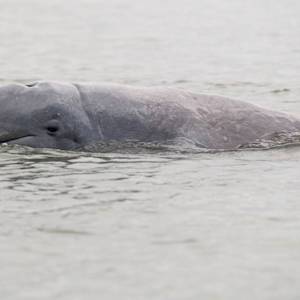



Learn about Maya Lin’s fifth and final memorial: a multi-platform science based artwork that presents an ecological history of our world - past, present, and future.
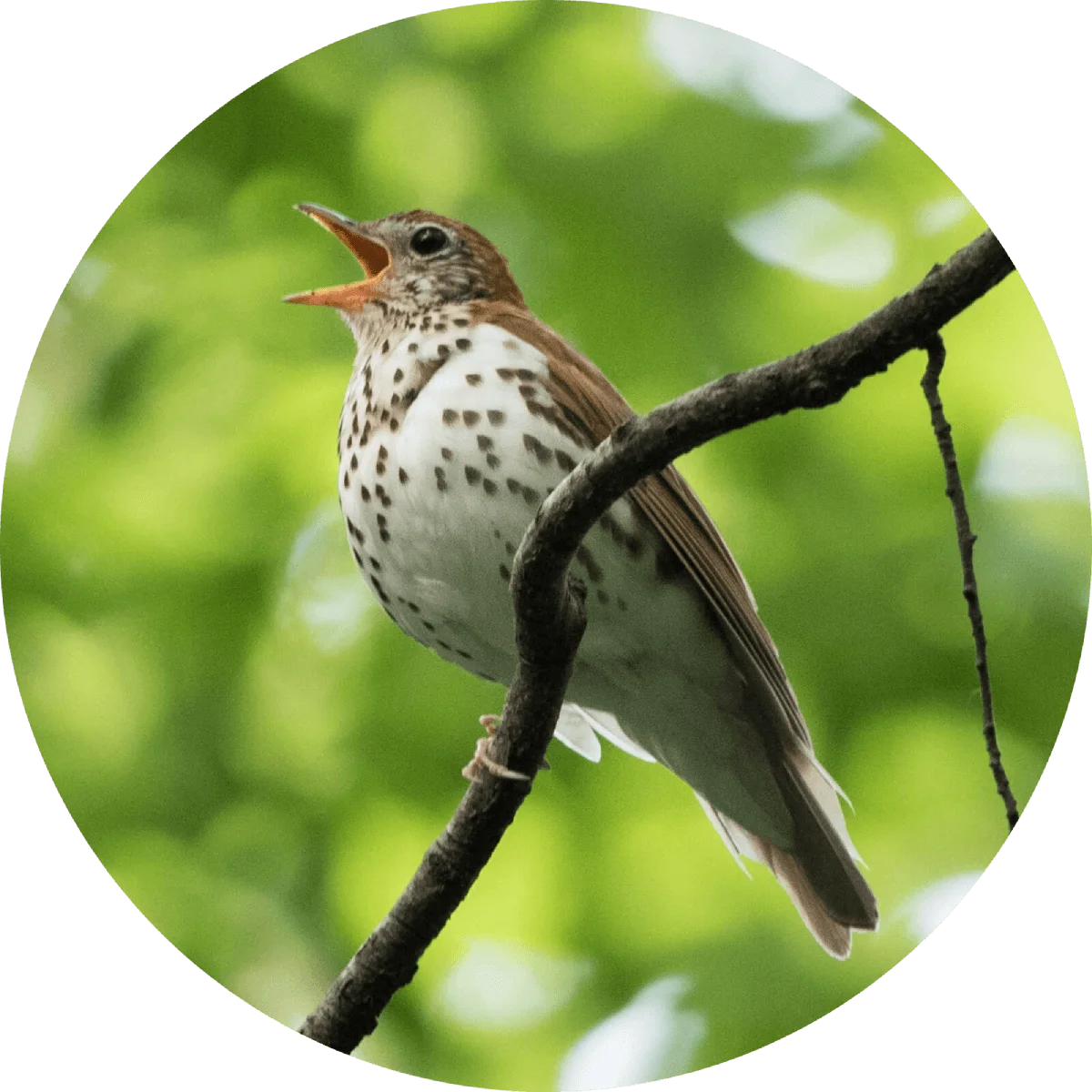
Discover ecological histories and stories of former abundance, loss, and recovery on the map of memory.

Learn how we can reduce our emissions and protect and restore species and habitats – around the world.

See how art can help us rethink the problems we face, and give us hope that each one of us can make a difference.

Help make a global memorial something personal and close to home. Share your stories of the natural world.