
Rotterdam, water resilience and adaptation
2017 CE • Rotterdam
"Water has been the central, existential fact of life in the Netherlands, a daily matter of survival and national identity . . . Much of the nation sits below sea level and is gradually sinking. Now climate change brings the prospect of rising tides and fiercer storms... [but] the Dutch are pioneering a singular way forward. It is, in essence, to let water in . . . The Dutch devise lakes, garages, parks and plazas that are a boon to daily life but also double as enormous reservoirs for when the seas and rivers spill over . . . Rotterdam lies in the most vulnerable part of the Netherlands, both economically and geographically . . . [and] has reinvented itself as a capital of enterprise and environmental ingenuity. It has pioneered the construction of facilities like those parking garages that become emergency reservoirs, ensuring that the city can prevent sewage overflow from storms now predicted to happen every five or 10 years. It has installed plazas with fountains, gardens and basketball courts in underserved neighborhoods that can act as retention ponds. It has reimagined its harbors and stretches of its formerly industrial waterfront . . . "The challenge of climate adaptation is to include safety, sewers, housing, roads, emergency services . . . This starts with little things, like getting people to remove the concrete pavement from their gardens so the soil underneath absorbs rainwater,” Mr. Molenaar [the city's climate chief] said. “It ends with the giant storm surge barrier at the North Sea . . . We have been able to put climate change adaptation high on the public agenda without suffering a disaster in many years because we have shown the benefits of improving public space — the added economic value of investing in resilience . . . It’s in our genes,” he said. “. . . Designing the city to deal with water was the first task of survival here and it remains our defining job. It’s a process, a movement . . . It is not just a bunch of dikes and dams, but a way of life.""
Michael Kimmelman, "The Dutch Have Solutions to Rising Seas. The World Is Watching.," The New York Times, June 15, 2017.
Image: Zairon, CC BY-SA 4.0, via Wikimedia Commons


Learn about Maya Lin’s fifth and final memorial: a multi-platform science based artwork that presents an ecological history of our world - past, present, and future.
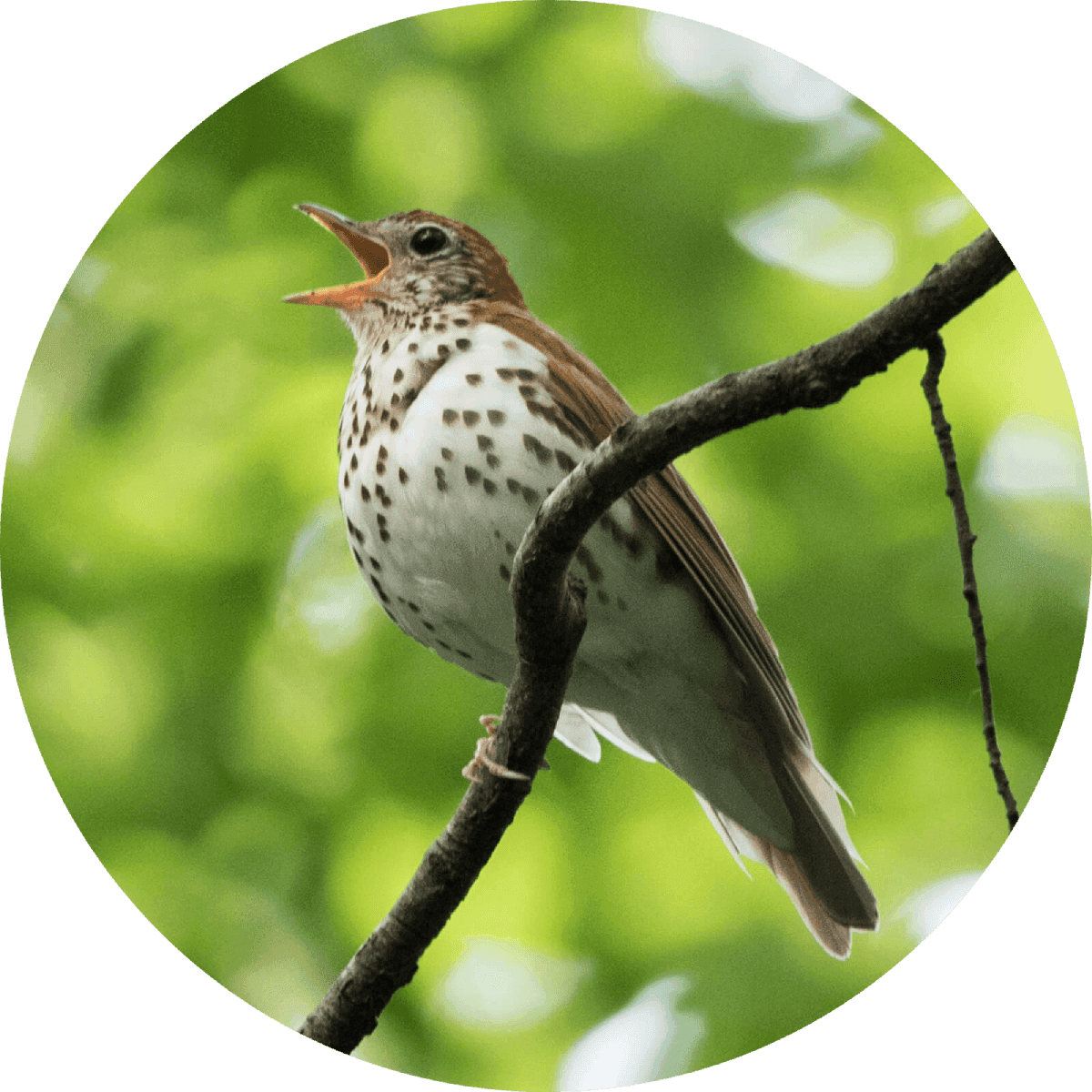
Discover ecological histories and stories of former abundance, loss, and recovery on the map of memory.
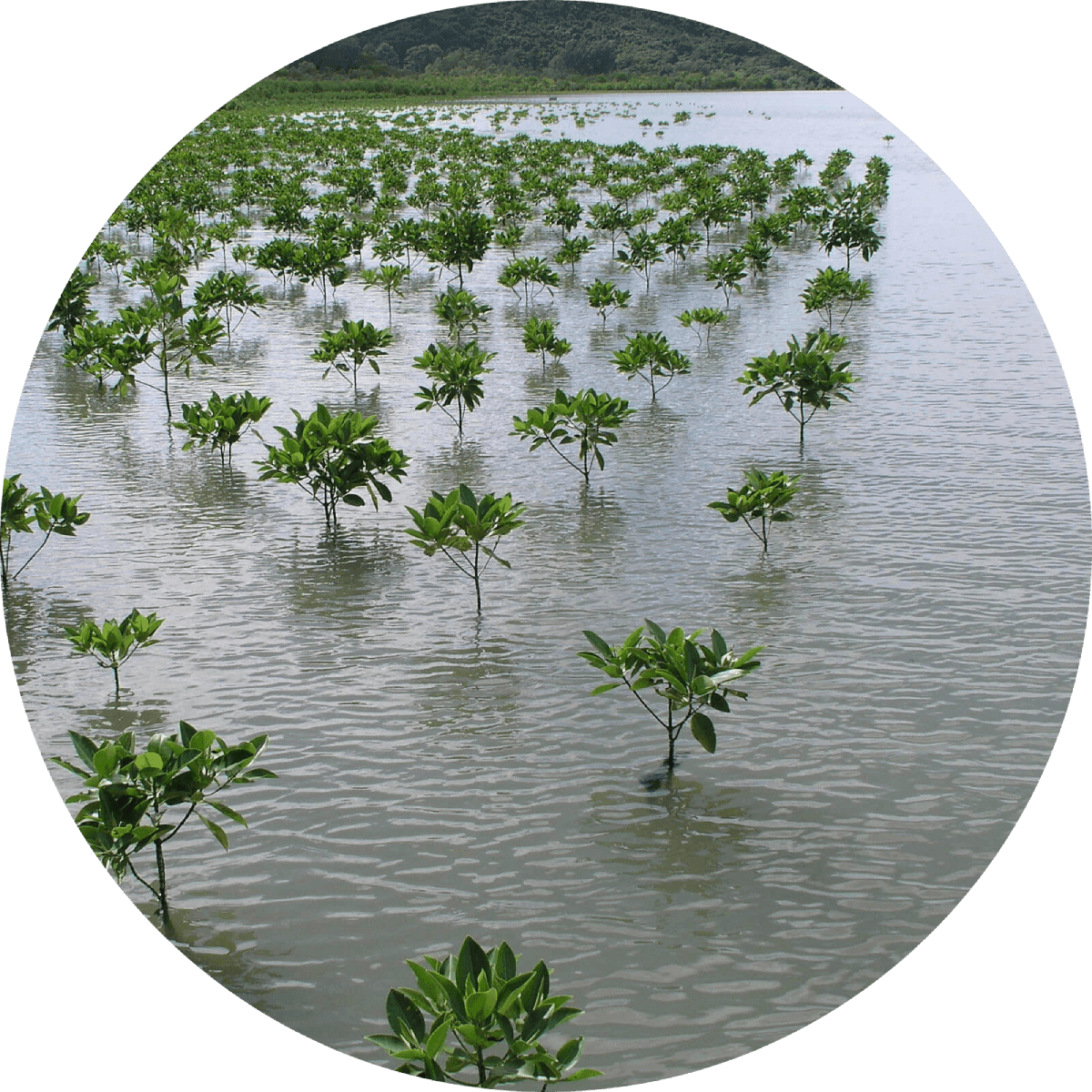
Learn how we can reduce our emissions and protect and restore species and habitats – around the world.

See how art can help us rethink the problems we face, and give us hope that each one of us can make a difference.
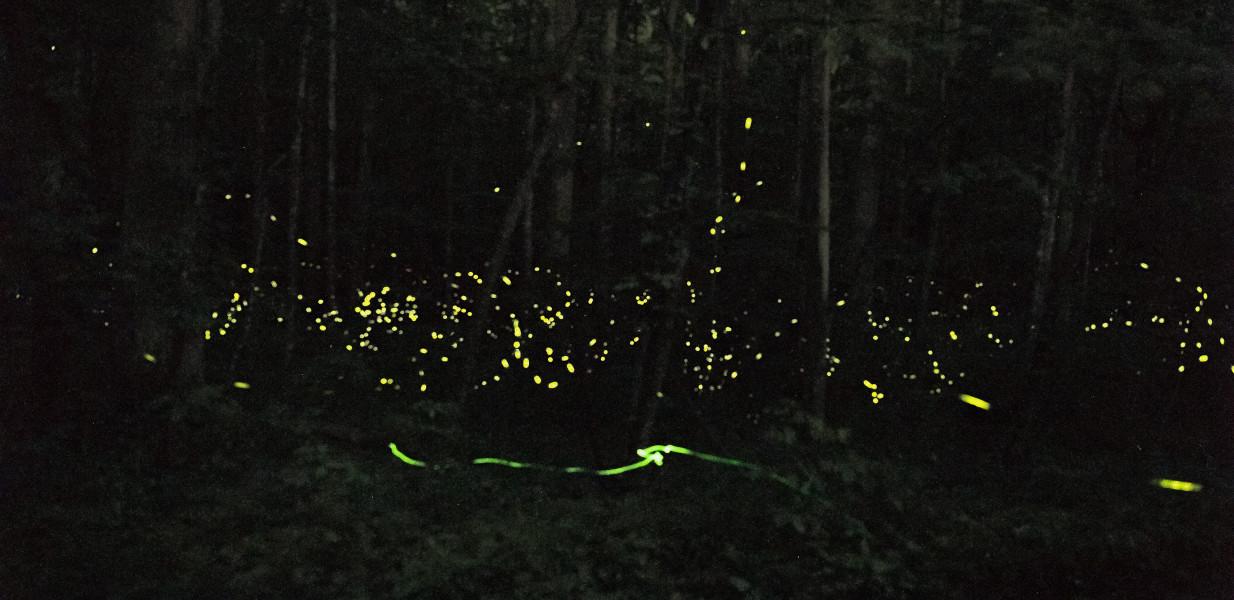
Help make a global memorial something personal and close to home. Share your stories of the natural world.