
Orangutans
1950s - 2022 CE
Their name means “people of the forest.” They can live for more than 50 years and are among the slowest–reproducing mammals in the world. Orangutans live only on Borneo and Sumatra. Tree–dwelling creatures, they rely on the forest for their survival on two of the world’s most heavily logged islands. Where the demand for lumber products and the cultivation of palm oil plantations are rapidly destroying the orangutan’s home. On Sumatra, 80% have been lost in the last 60 years. Sumatran orangutans may become the first great ape to go extinct.
- IUCN & World Wildlife Fund
WHAT YOU CAN DO
Never buy products containing unsustainably sourced palm oil — choose RSPO-certified or palm-oil-free items to limit deforestation.
Choose FSC-certified wood, paper and furniture to reduce logging pressure in orangutan habitat.
Support rainforest protection and reforestation efforts that restore and safeguard the forests orangutans depend on.
FOR MORE INFORMATION
film: National Geographic
sound: Stuart Reading: Research Librarian/Media Manager, I&A BBC Future Media & Technology Research Centre
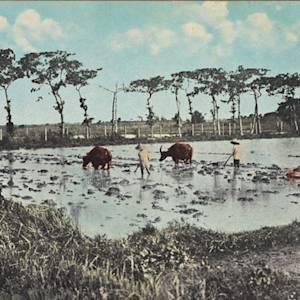


Learn about Maya Lin’s fifth and final memorial: a multi-platform science based artwork that presents an ecological history of our world - past, present, and future.
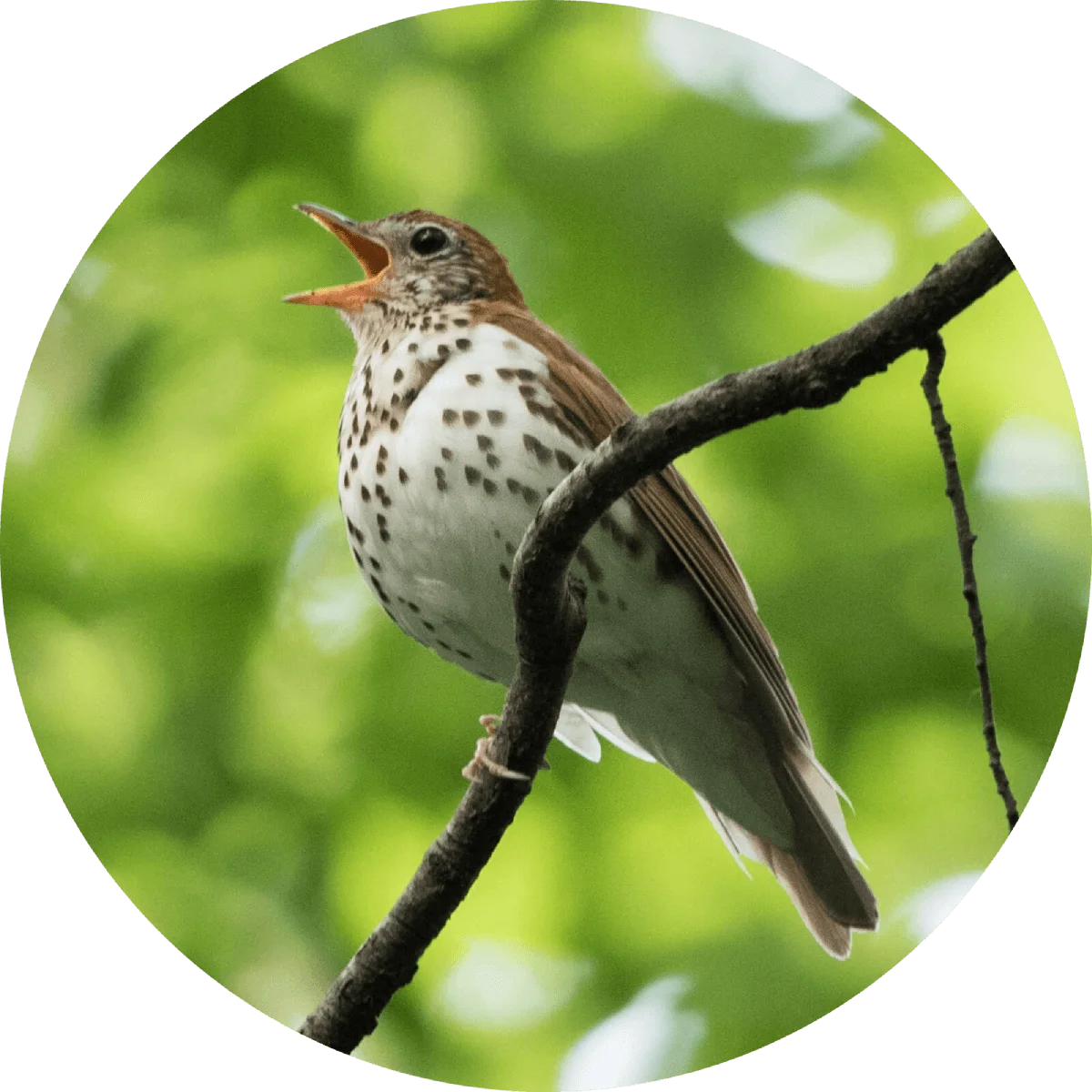
Discover ecological histories and stories of former abundance, loss, and recovery on the map of memory.
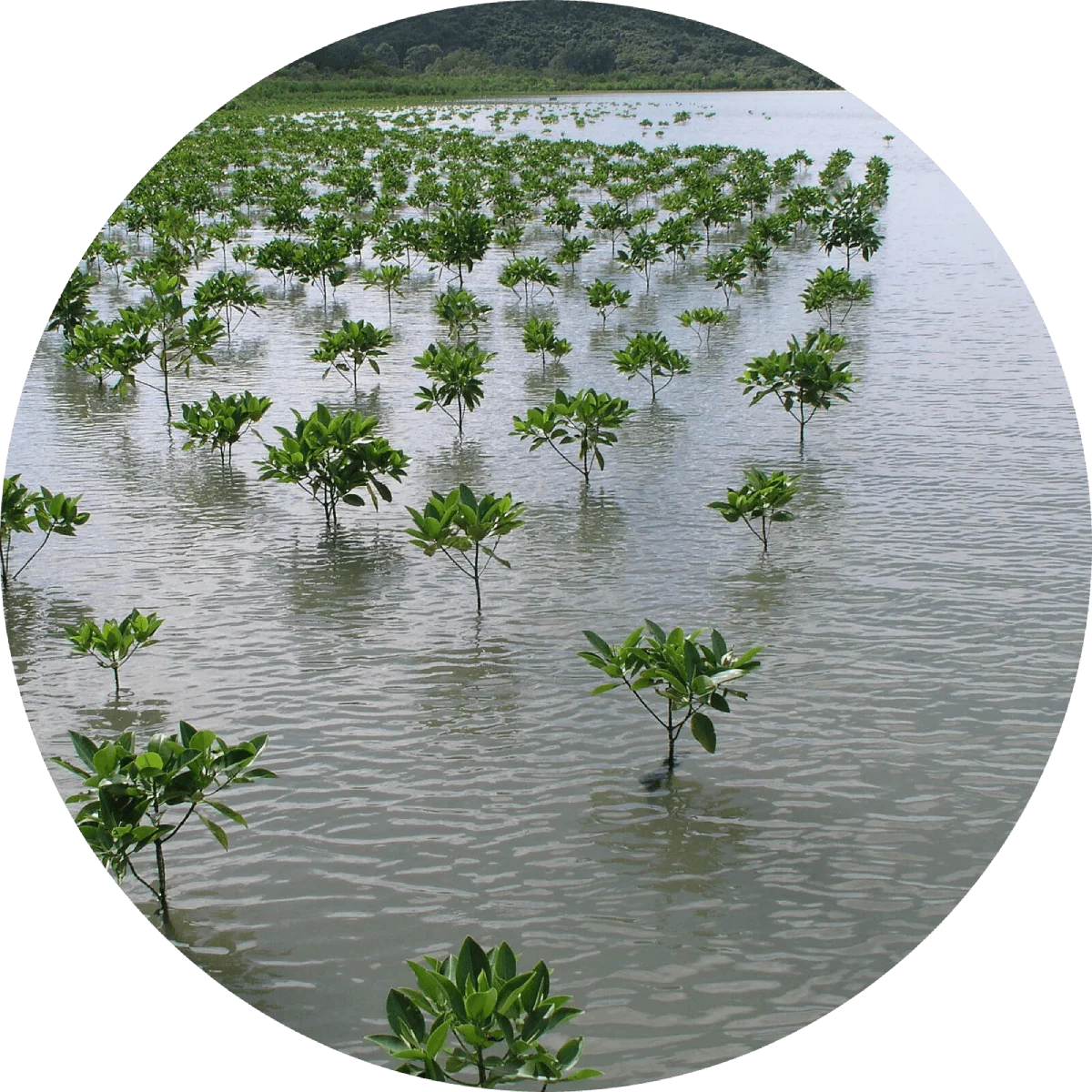
Learn how we can reduce our emissions and protect and restore species and habitats – around the world.

See how art can help us rethink the problems we face, and give us hope that each one of us can make a difference.

Help make a global memorial something personal and close to home. Share your stories of the natural world.