

From Green To Grey
2020 CE • Tbilisi, Georgia
Behind the neighborhood where I grew up in Tbilisi, there was an undeveloped area with trees and plants. As children, we spent a lot of time there without thinking about it much. We played hide and seek, listened to birds, and walked through the same spots again and again. It was just part of everyday life. Years later, when I returned to that place, I expected it to still be there. Instead, the area was gone. In its place stood a business zone made of concrete, dust, and constant noise. The change felt sudden, even though it had happened over time. Around the city, some natural areas remain, while others disappear depending on development and investment. Seeing this made it clear that landscape change is uneven and patchy, not the same everywhere. The area was simplified into a single-use surface, built only for construction and profit. What spread instead were heat, noise, and sealed ground. What is missing is not only nature, but the everyday relations and possibilities that space once allowed.

Learn about Maya Lin’s fifth and final memorial: a multi-platform science based artwork that presents an ecological history of our world - past, present, and future.
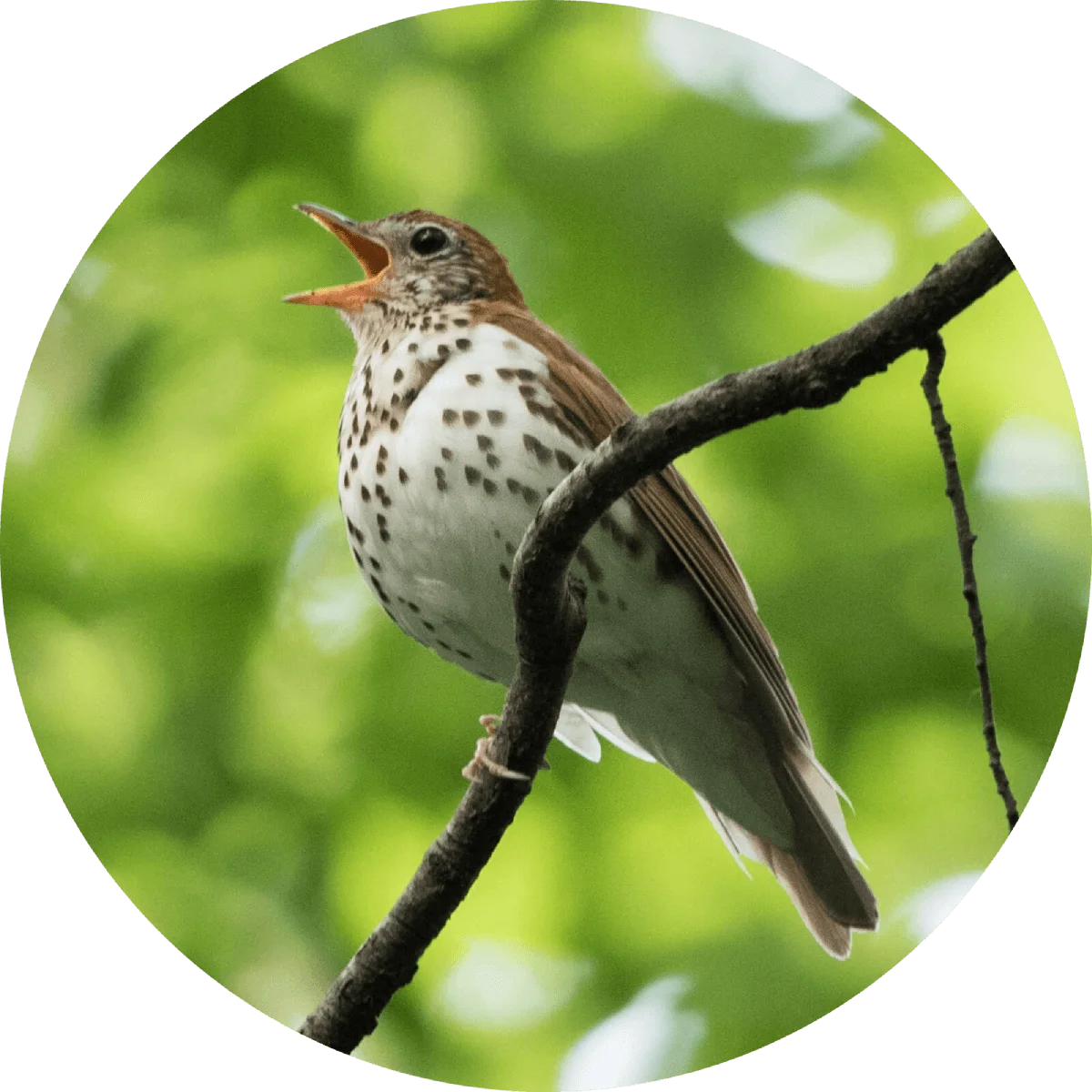
Discover ecological histories and stories of former abundance, loss, and recovery on the map of memory.
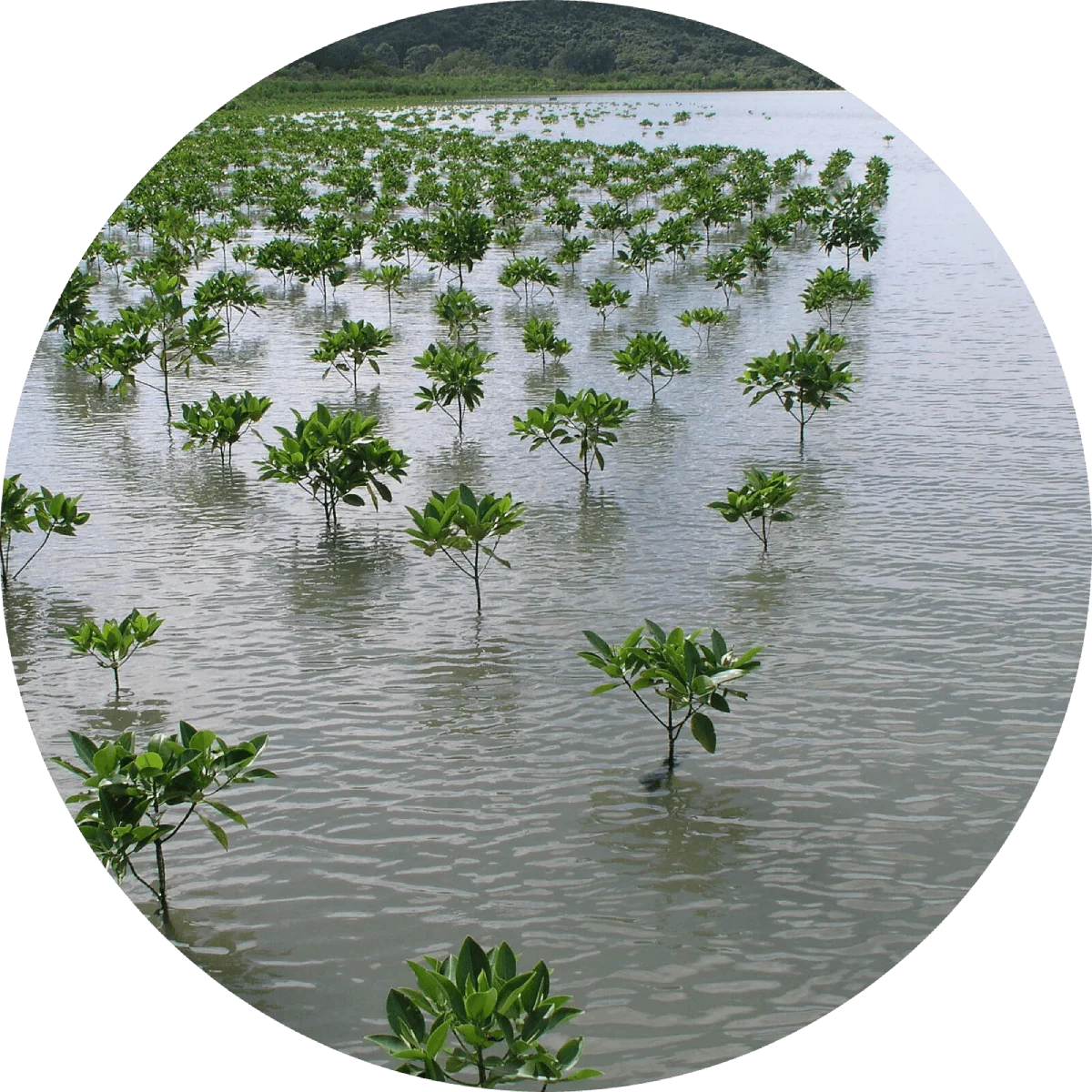
Learn how we can reduce our emissions and protect and restore species and habitats – around the world.

See how art can help us rethink the problems we face, and give us hope that each one of us can make a difference.

Help make a global memorial something personal and close to home. Share your stories of the natural world.