Eastern Chipmunks In My Backyard
2015 CE • New Jersey, USA
My home is on a big hill that was sort of flattened into terraces, and there’s a two-foot tall manmade rock wall in my backyard where two of these levels meet. We always had tons of Eastern Chipmunks that lived in the cracks between these rocks, jumping out and running around the backyard, up the trees and through the grass. As a kid I loved watching them run, imagining them playing, and I always sympathized with them over the much larger squirrels in what I imagined as a rivalry between the two rodent species. But after a few years of chipmunk-watching fun, the population started to noticeably decline, with fewer and fewer coming out each year from the torpor in their burrows. Today, it’s pretty rare for me to see a chipmunk in my backyard or even elsewhere in my town. I know Eastern Chipmunks are of Least Concern for extinction and are very common elsewhere, but this apparent decline in this small population in my town is quite sad to me, considering how much I loved them as a kid. I can only imagine what it must feel like for people whose backyard critters are genuinely going extinct
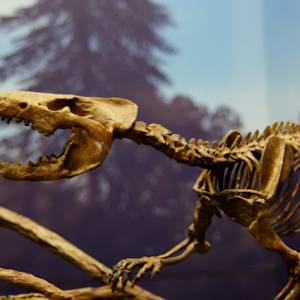



Learn about Maya Lin’s fifth and final memorial: a multi-platform science based artwork that presents an ecological history of our world - past, present, and future.
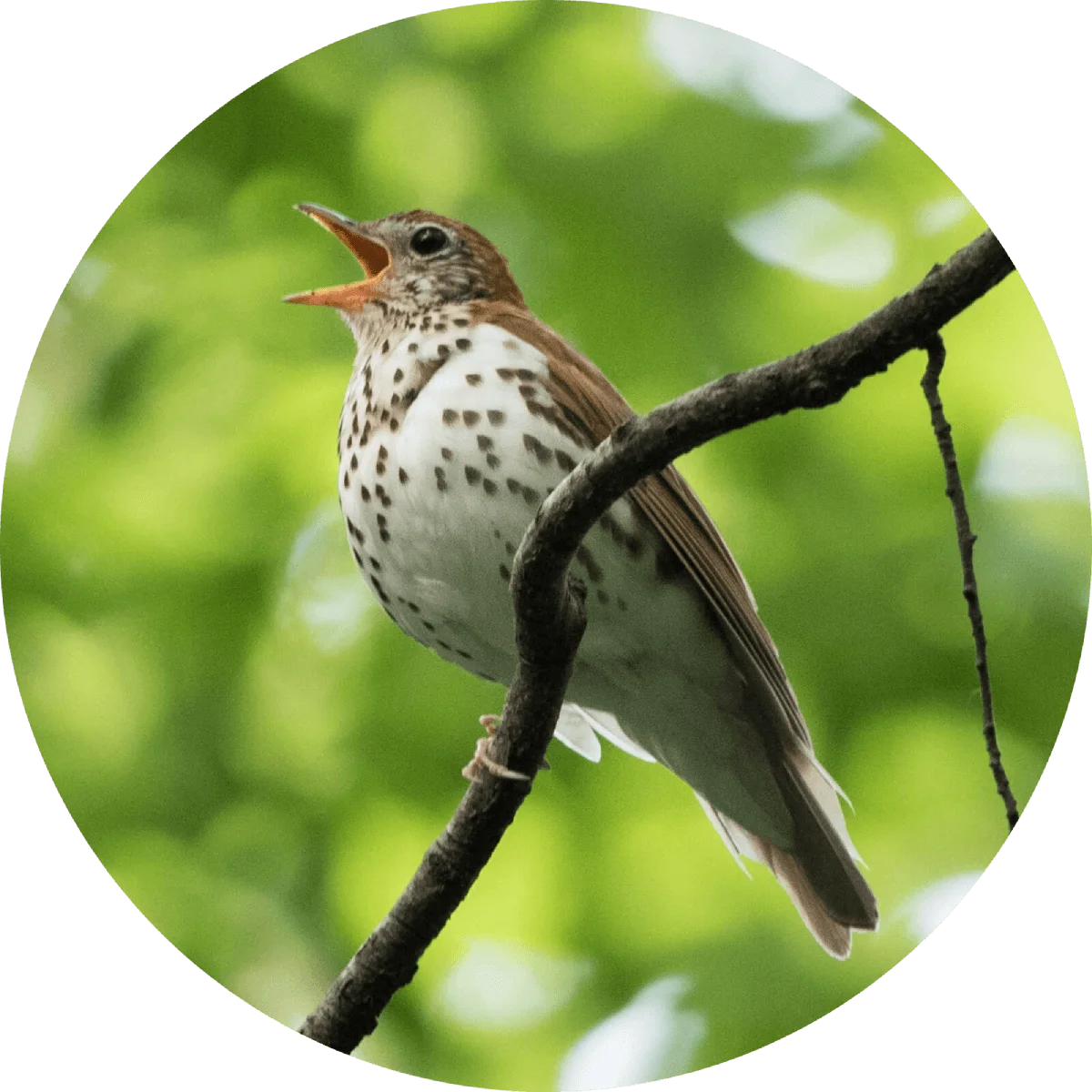
Discover ecological histories and stories of former abundance, loss, and recovery on the map of memory.
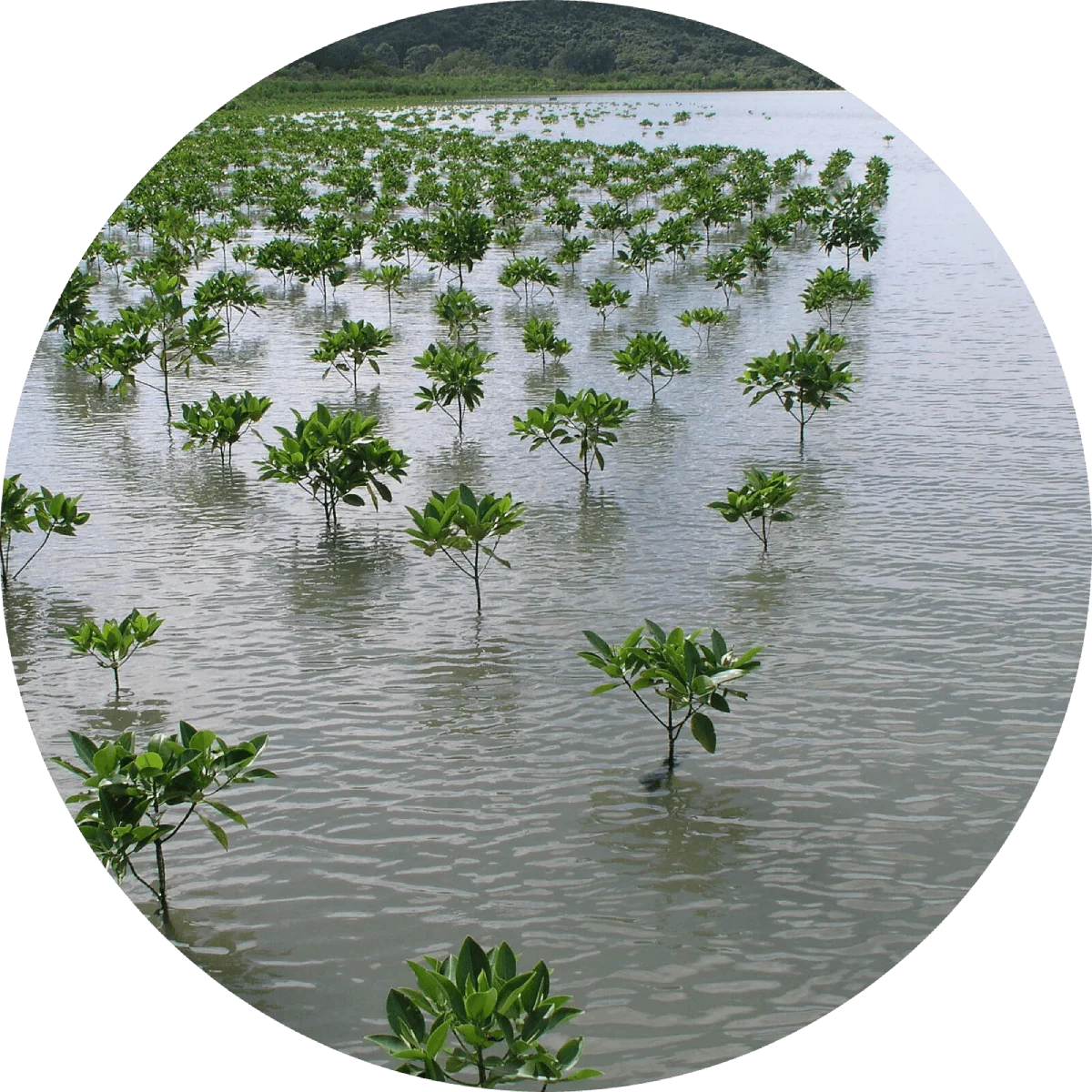
Learn how we can reduce our emissions and protect and restore species and habitats – around the world.

See how art can help us rethink the problems we face, and give us hope that each one of us can make a difference.

Help make a global memorial something personal and close to home. Share your stories of the natural world.