
Coral Reefs
1950 CE - 2022 CE
Called the “tropical rainforests of the oceans” coral reefs cover less than 1% of the Earth’s surface but are home to 25% of all marine species. They’re the most biodiverse ecosystems on the planet and essential nurseries for juvenile fish. They function as natural breakwaters, buffering coastal areas from surging storms, reducing flooding and erosion. And yet, they are the most vulnerable marine ecosystems to the impacts of climate change. When corals are stressed by changes in heat, light, nutrients, or pollutants, they expel symbiotic algae living in their tissues, causing them to turn completely white, A phenomenon known as coral bleaching. If the stress is prolonged, the coral dies. In 2016 bleaching on the Great Barrier Reef killed 29% of its shallow water coral. Scientists estimate that up to 90% of coral reefs may be destroyed by 2050, from ocean heatwaves, severe storms, and ocean acidification.
- UN Environment Program, Woods Hole Oceanographic Institute, NOAA
WHAT YOU CAN DO
Use reef-safe sunscreen made from minerals instead of chemicals that damage corals.
Stop using disposable plastics such as water bottles, bags, and straws, which often end up in the ocean.
Never buy coral jewelry, wild-caught reef fish, or souvenirs made from coral or shells.
FOR MORE INFORMATION AND HOW TO HELP
Visit:
film: National Geographic
sound: Radio Expeditions Sound Collection at the Cornell Lab of Ornithology
thumbnail: Toby Hudson, CC BY-SA 3.0, via Wikimedia Commons


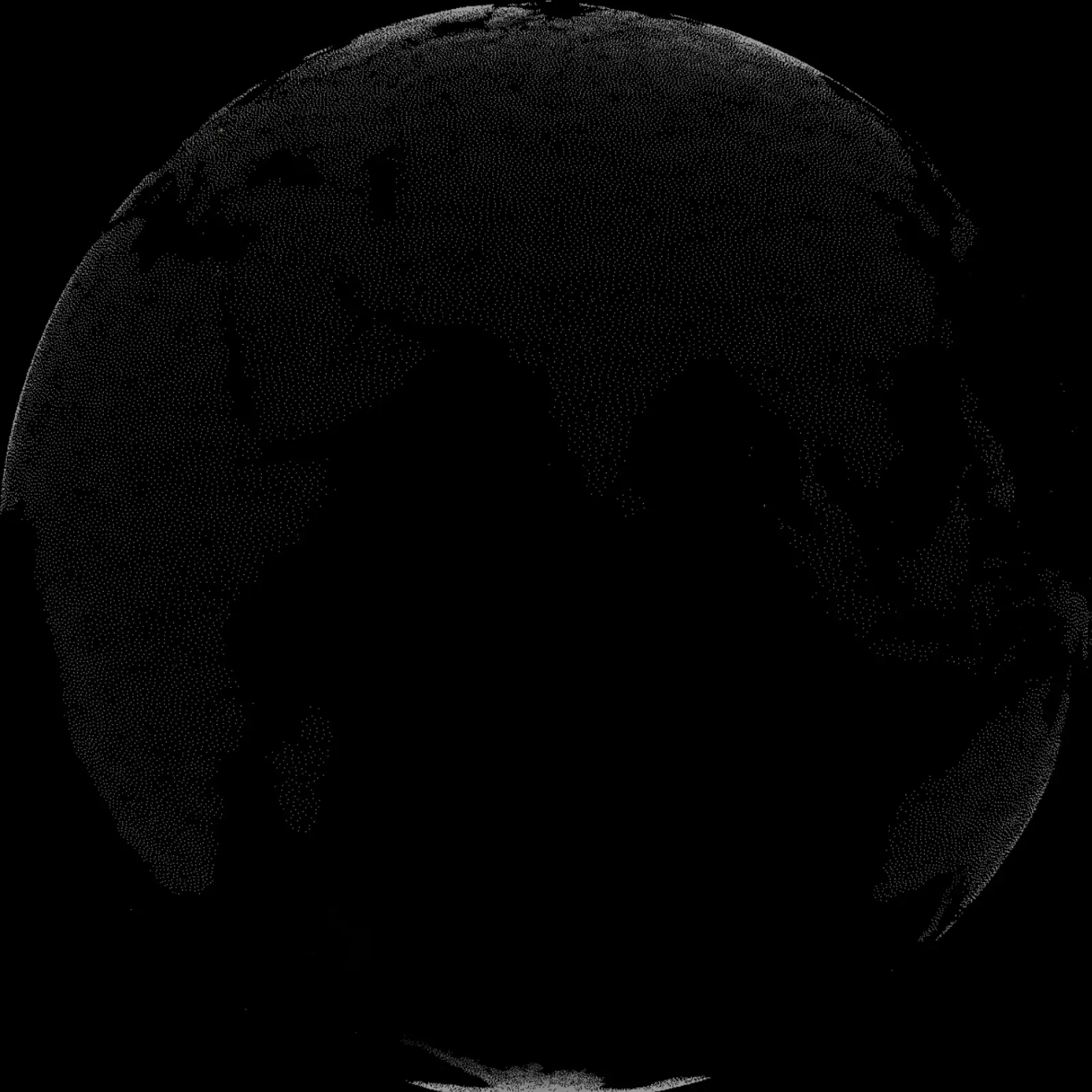

Learn about Maya Lin’s fifth and final memorial: a multi-platform science based artwork that presents an ecological history of our world - past, present, and future.
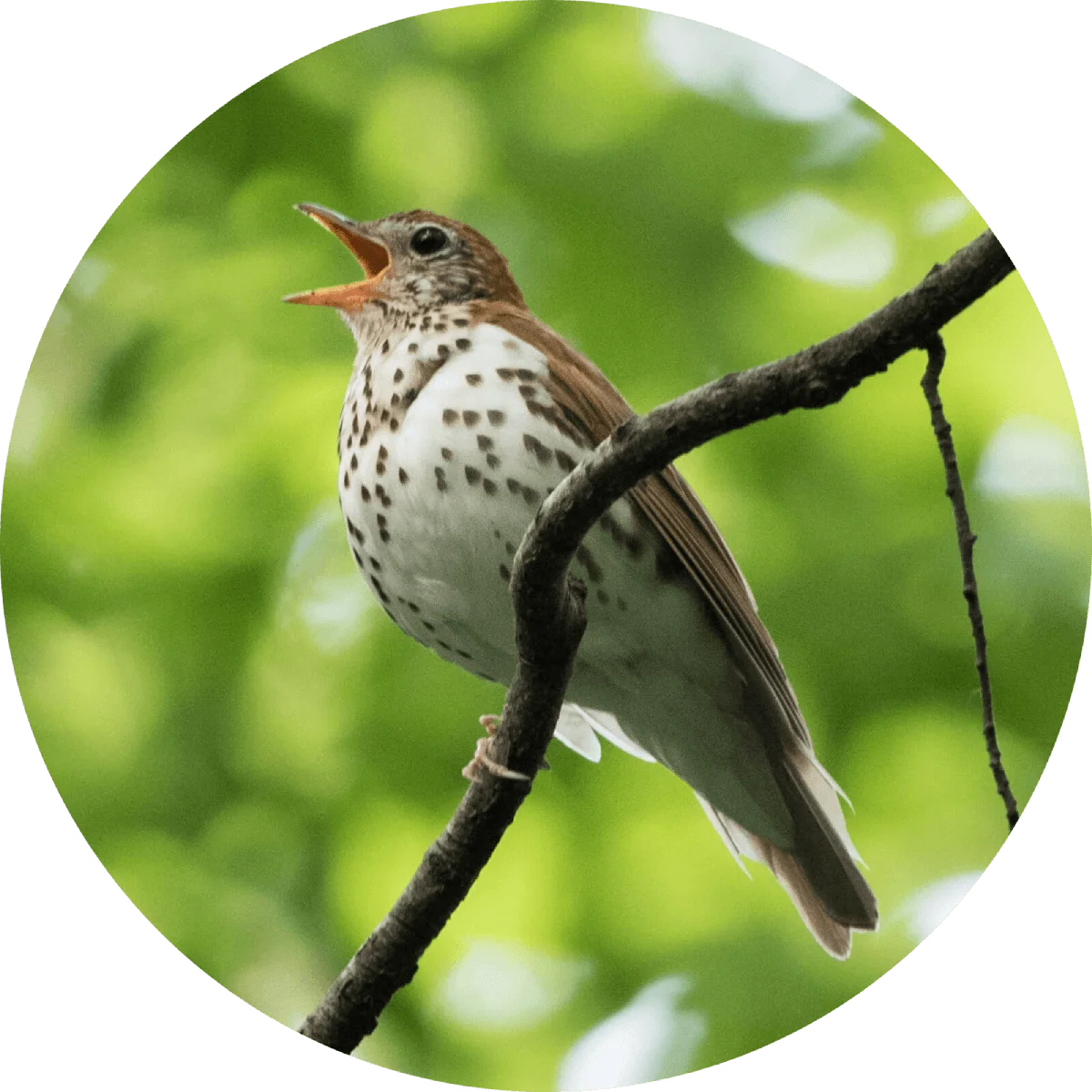
Discover ecological histories and stories of former abundance, loss, and recovery on the map of memory.
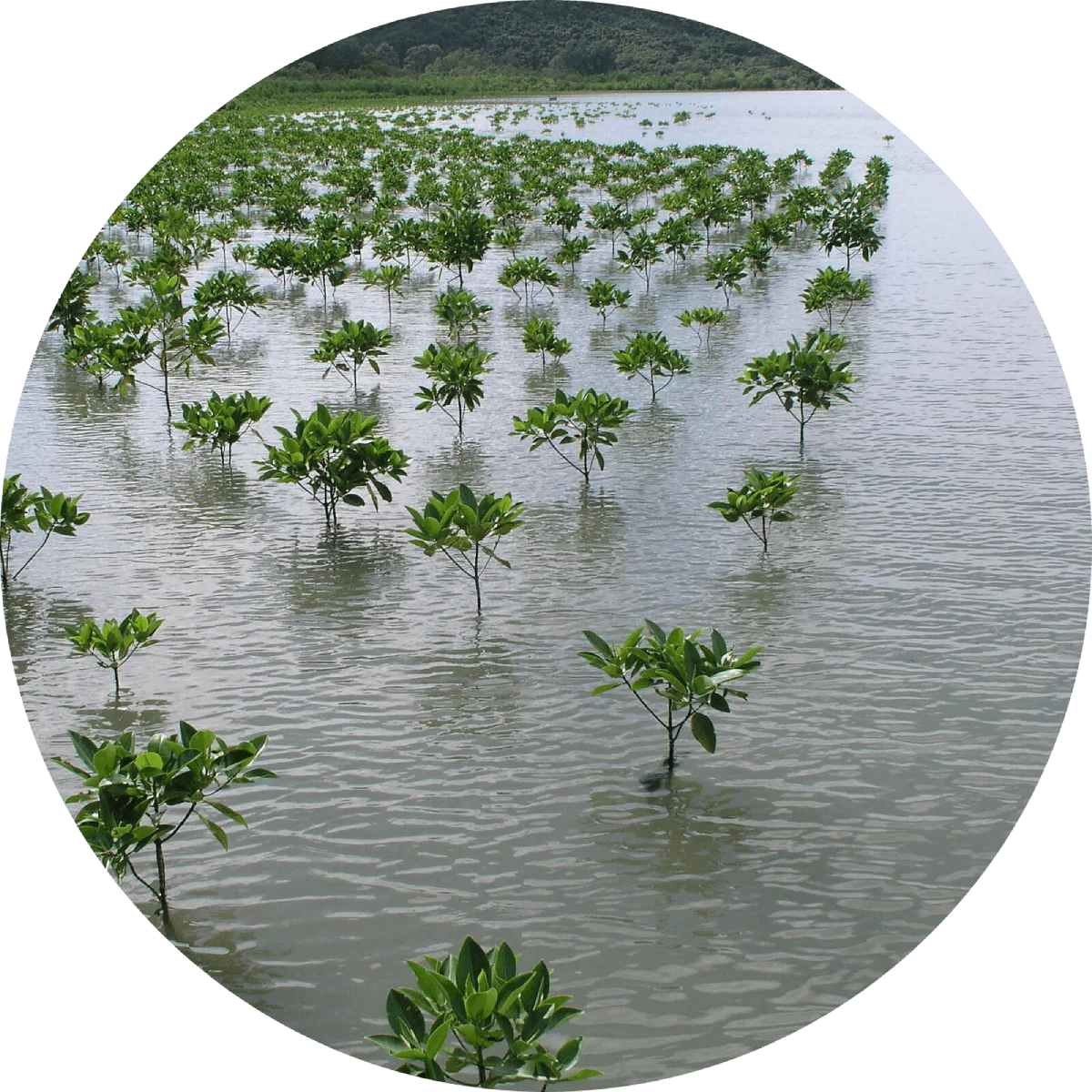
Learn how we can reduce our emissions and protect and restore species and habitats – around the world.

See how art can help us rethink the problems we face, and give us hope that each one of us can make a difference.

Help make a global memorial something personal and close to home. Share your stories of the natural world.