
Clean Oceans
mid 1800s - 2022 CE
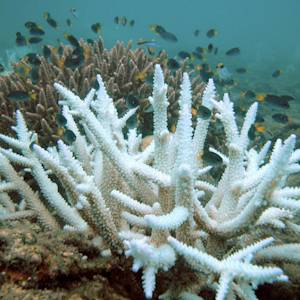
"Oceans cover 70% of the earth's surface and our industrial, agricultural and wastewater practices are pushing ocean pollution to an unprecedented level with mercury, PCBs, pesticides, and chemical and medical contaminants working their way up the ocean food chain. Because of mercury contamination primarily from coal–fired power plants and antiquated chlorine bleach factories the FDA advises us to eat fish such as grouper, Chilean sea bass, mackerel, and albacore tuna less than three times a month. Those with the highest mercury content including king mackerel, marlin, orange roughy, shark, swordfish, tilefish, and bigeye and ahi tuna we should avoid eating altogether. "
- NRDC & Oceana
WHAT YOU CAN DO
Use sustainable, organic, and native landscaping to reduce fertilizer and chemical runoff that pollutes rivers and oceans.
Cut your carbon emissions and support organic farming to reduce ocean warming and acidification.
Never pour chemicals or toxins down the drain.
Buy only sustainably caught, MSC-certified seafood to support healthy marine ecosystems.
FOR MORE INFORMATION AND HOW TO HELP
Visit:
film: oceanfootage.com
sound: Cornell Lab of Ornithology


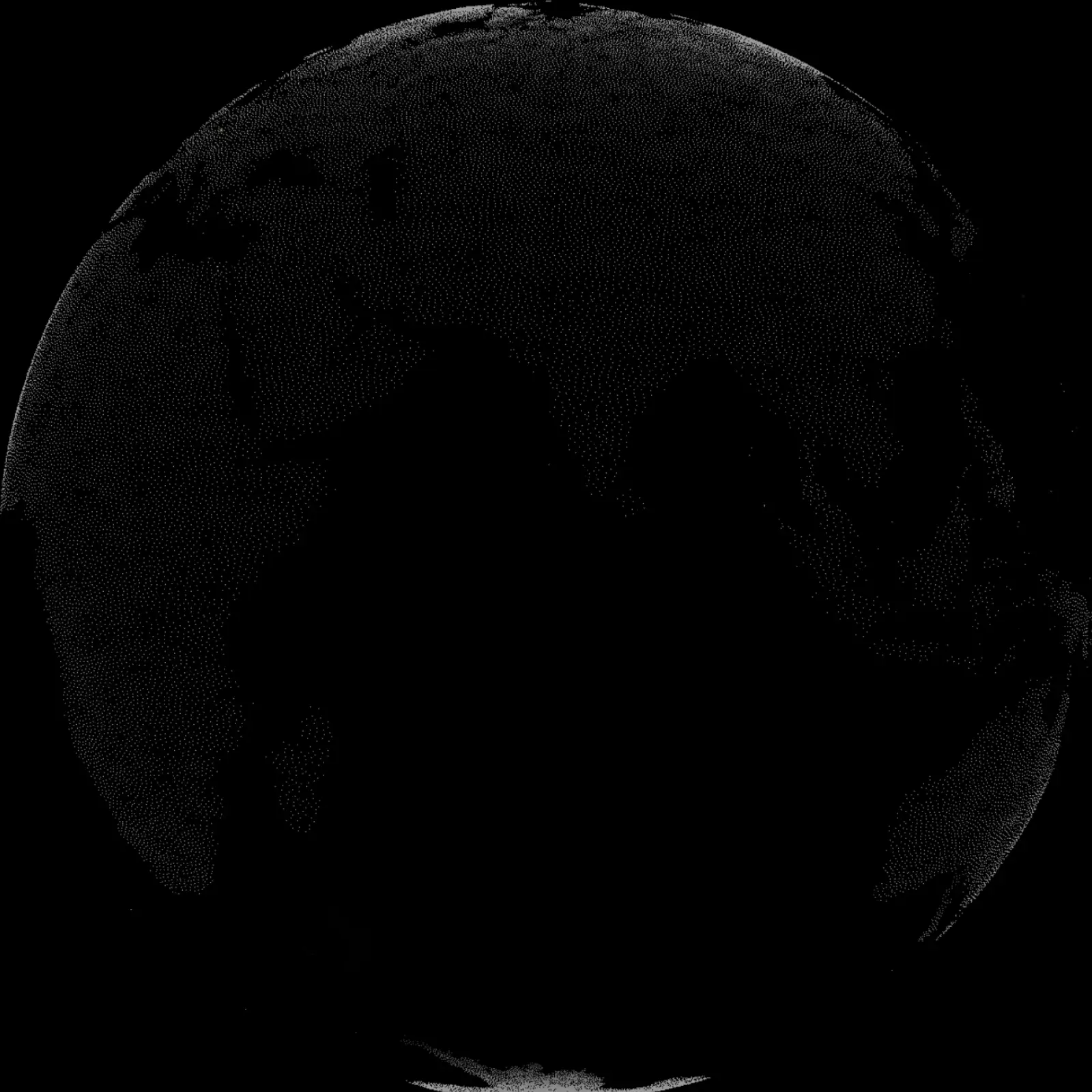

Learn about Maya Lin’s fifth and final memorial: a multi-platform science based artwork that presents an ecological history of our world - past, present, and future.
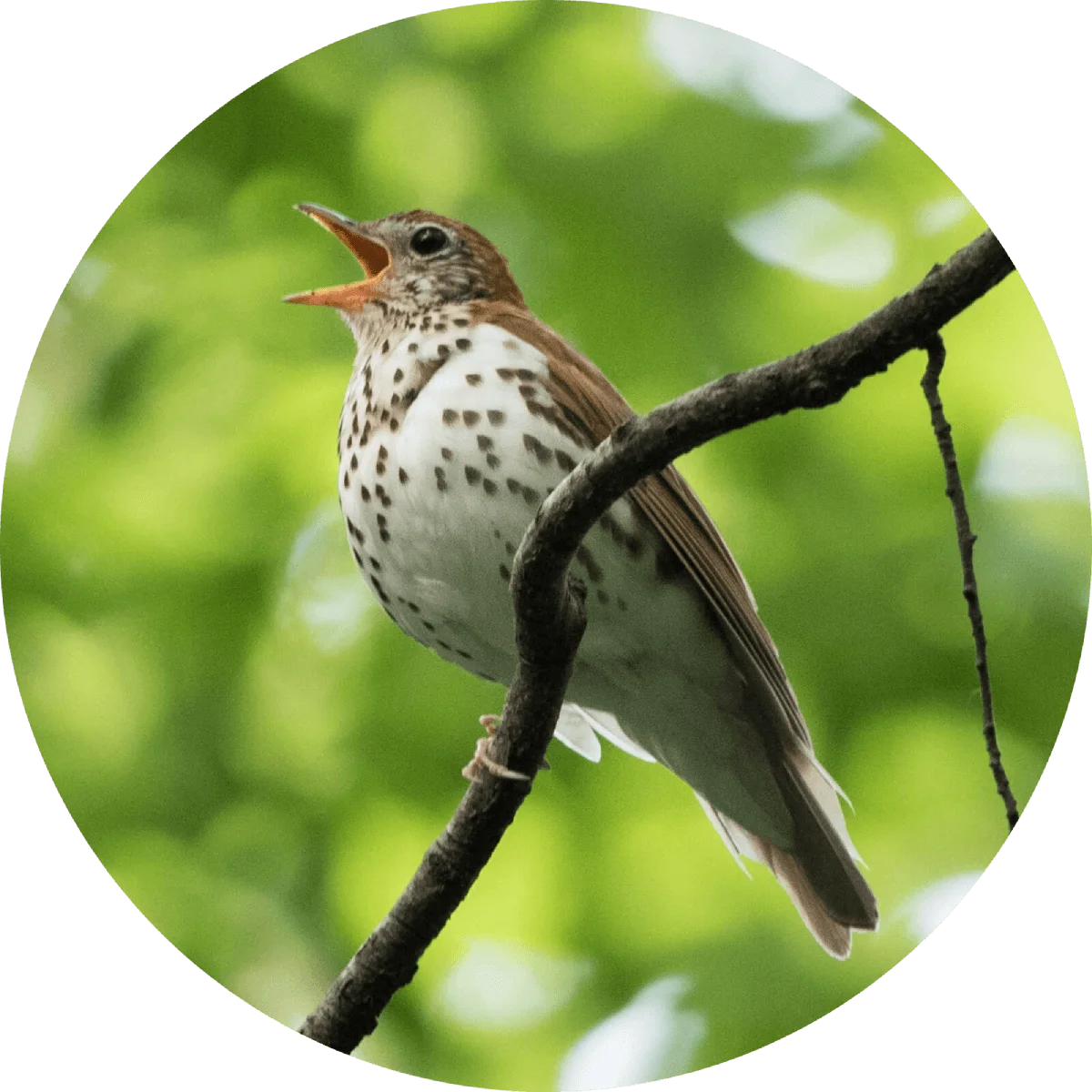
Discover ecological histories and stories of former abundance, loss, and recovery on the map of memory.
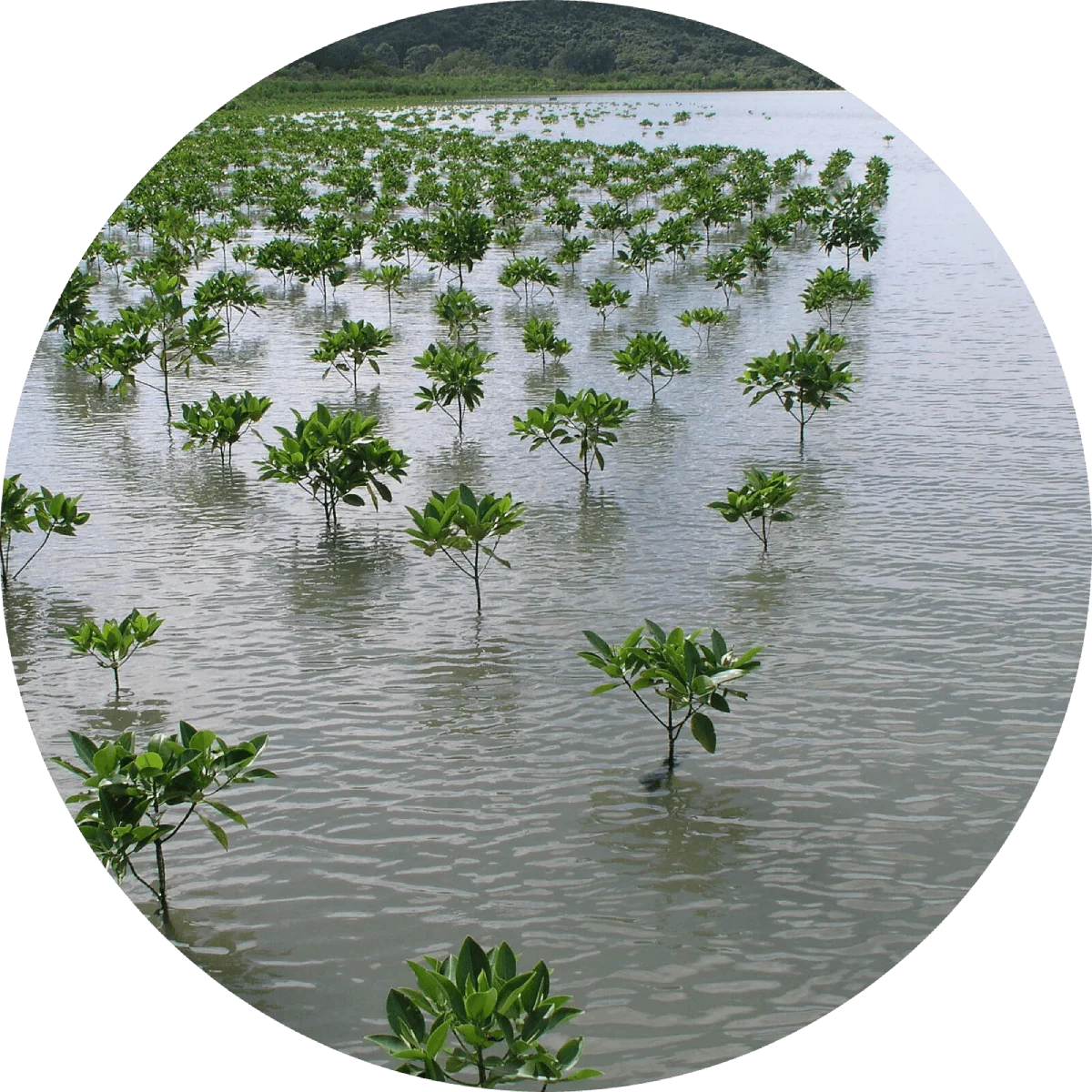
Learn how we can reduce our emissions and protect and restore species and habitats – around the world.

See how art can help us rethink the problems we face, and give us hope that each one of us can make a difference.

Help make a global memorial something personal and close to home. Share your stories of the natural world.