
Bees
2005 CE - 2022 CE
"In the spring of 2005 about one third of all commercial honeybee colonies died out. Scientists call it “colony collapse disorder” but no one knows why the bees are disappearing. "Unless actions are taken to slow the decline of domesticated honeybees and augment their populations with wild bees many fruits and vegetables may disappear from the food supply."
- NRDC & National Geographic
WHAT YOU CAN DO
Avoid or limit pesticide use.
Support organic farming and gardening that reduce chemical exposure for pollinators.
Plant native flowers or create bee habitat—such as a pollinator garden or bee box.
FOR MORE INFORMATION
1. Levy S. (2006). The Vanishing Bee. NRDC: OnEarth. Retrieved here.
2. Wells M. (11 March, 2007). Vanishing bees threaten US crops. BBCnews. Retrieved here.
3. Roach J. quote from Kremen C., Princeton University. (5 October 2004). Bee Decline May Spell End of Some Fruits, Vegetables. National Geographic News. Retrieved here.
film: National Geographic
sound: Stephen Buchmann, Ph.D. International Coordinator Pollinator Partnership
All rights reserved by the loaning institutions.



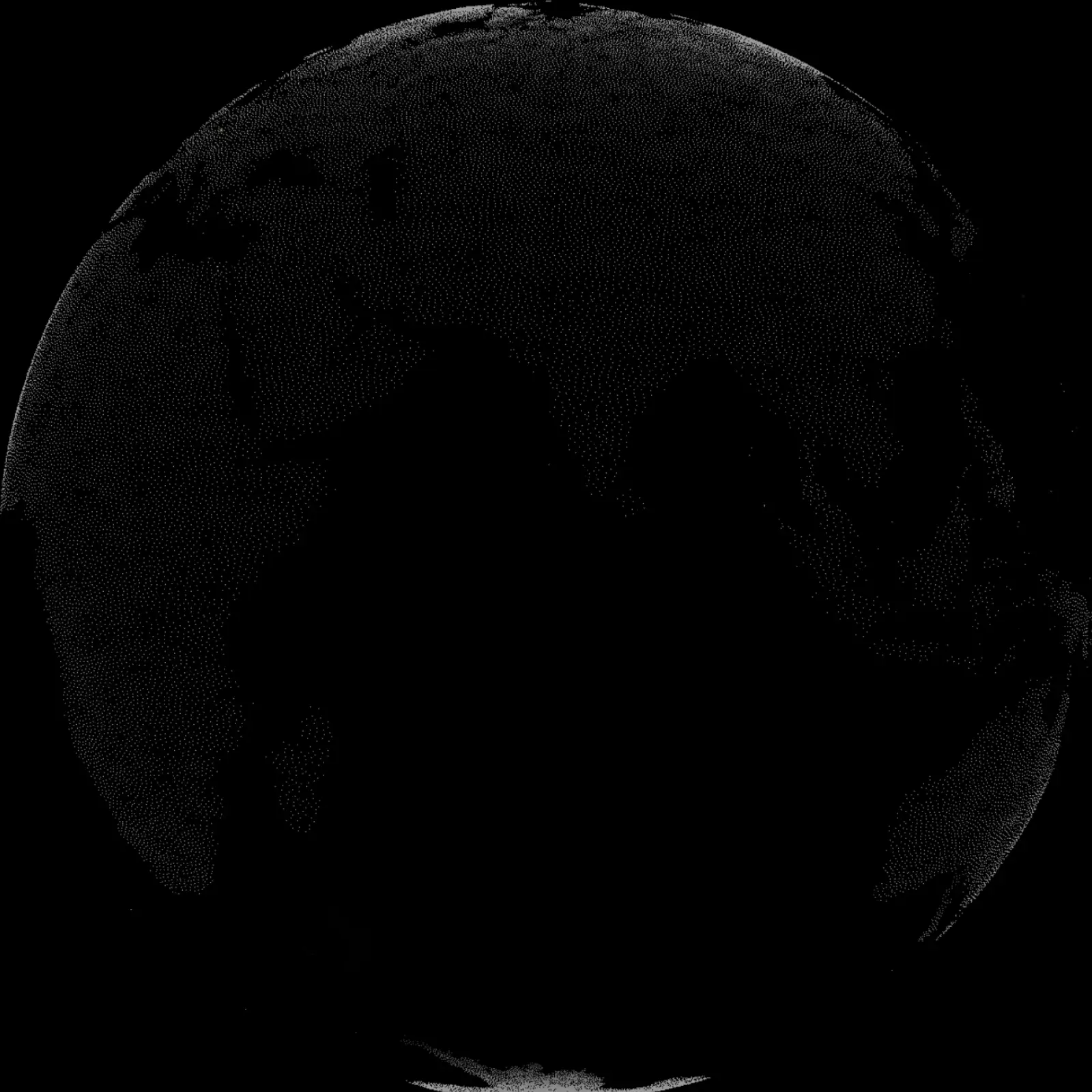

Learn about Maya Lin’s fifth and final memorial: a multi-platform science based artwork that presents an ecological history of our world - past, present, and future.
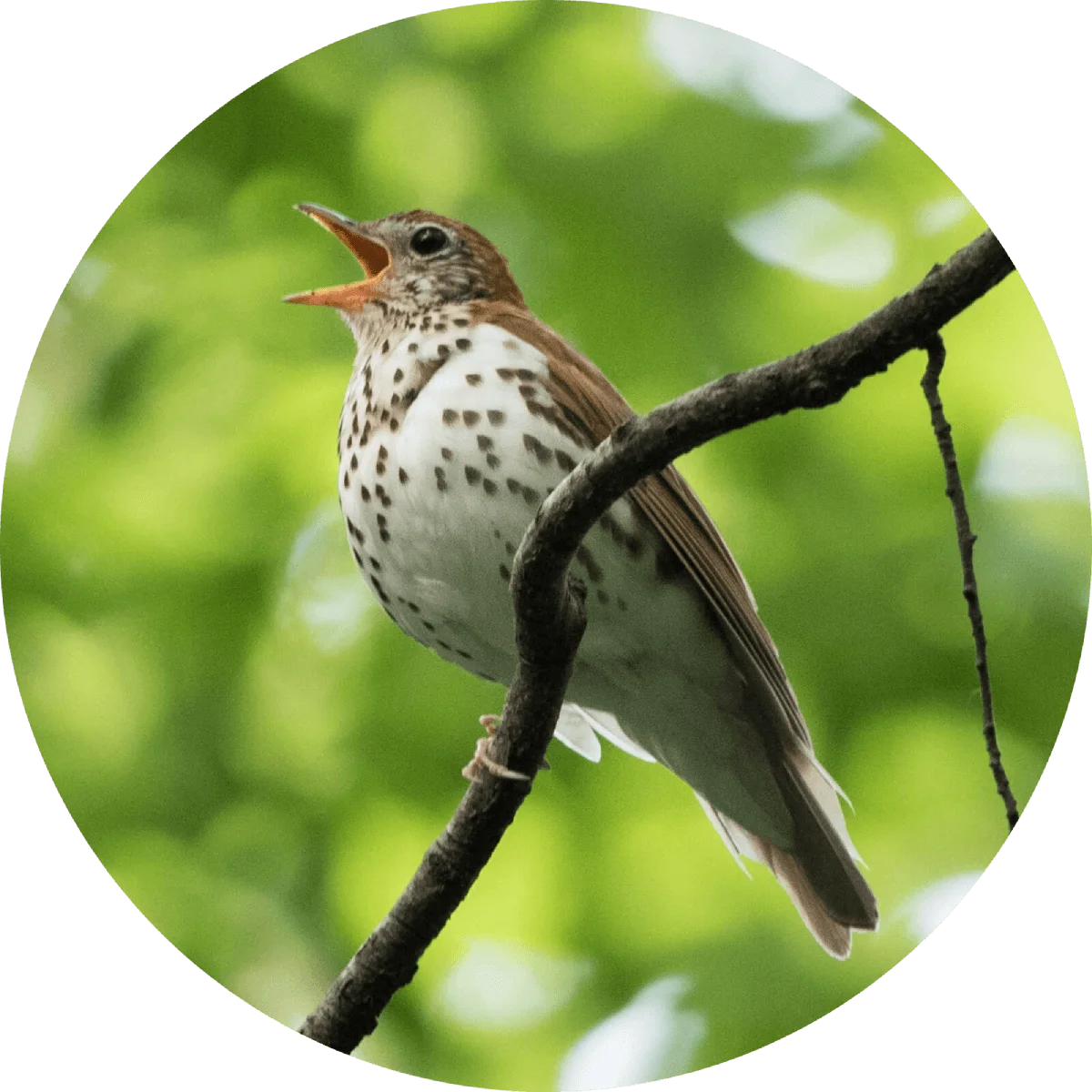
Discover ecological histories and stories of former abundance, loss, and recovery on the map of memory.
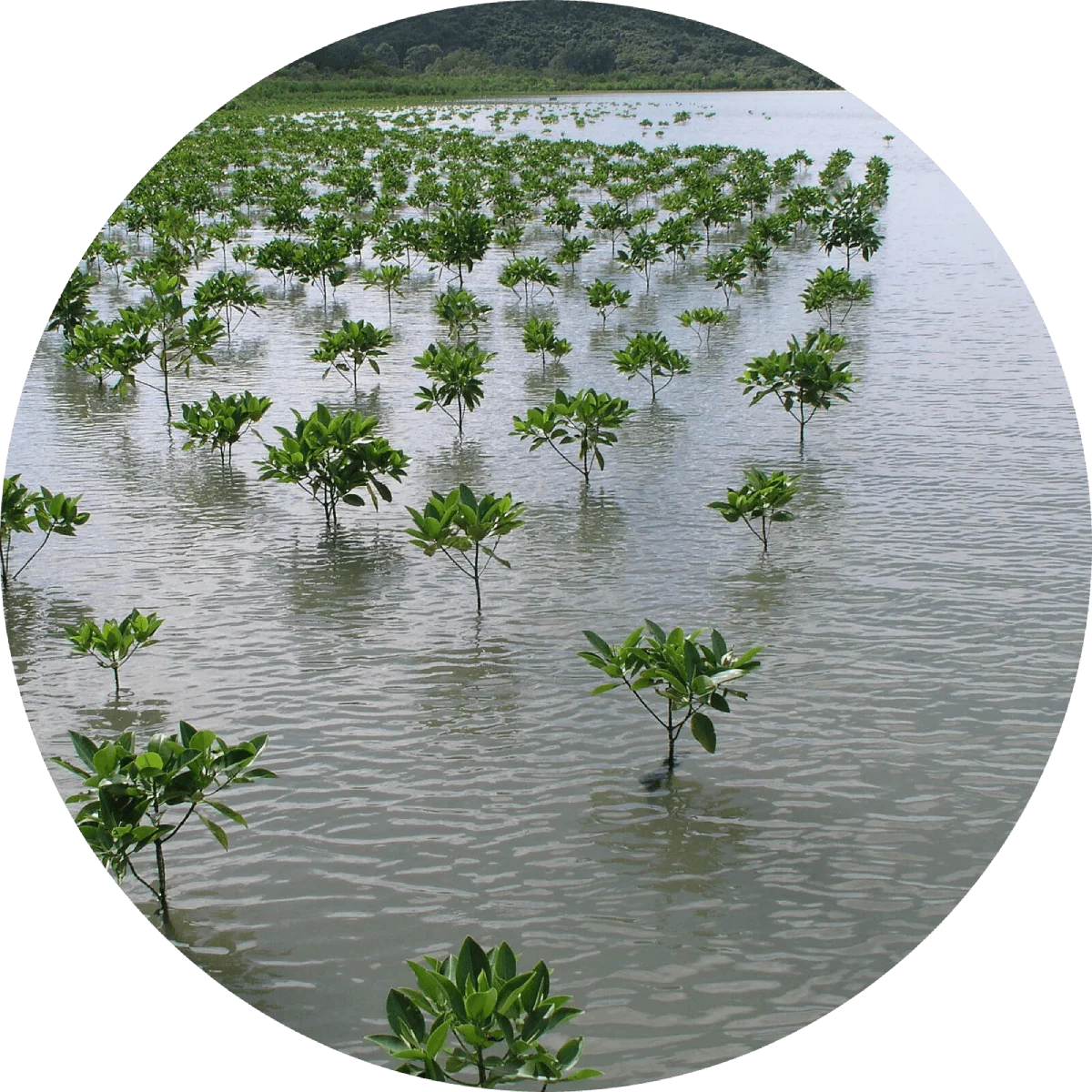
Learn how we can reduce our emissions and protect and restore species and habitats – around the world.

See how art can help us rethink the problems we face, and give us hope that each one of us can make a difference.

Help make a global memorial something personal and close to home. Share your stories of the natural world.