
Arctic Ice
1980 CE - 2022 CE
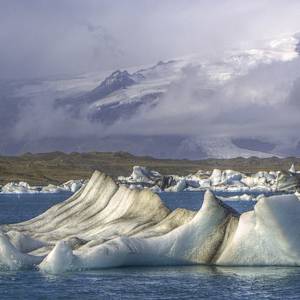
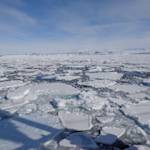
"Global warming affects polar regions the most. In 1980, the late summer Arctic sea ice covered 7,000,000 square kilometers. By 2002, it dropped to 6,000,000. In 2008, it was 4,700,000. As bright, reflective ice disappears the darker surface of the sea absorbs more heat from the sun. Arctic summer ice could disappear entirely by the end of this century. Much of the ecosystem will be at greater risk. Tiny creatures that depend on sea ice are vulnerable. And larger ones: ringed seals, polar bears, narwhals, and bowhead whales. In 2009, average global ocean surface temperatures were the warmest ever recorded."
- NASA, NOAA & IPCC
WHAT YOU CAN DO
Reduce, reuse, and recycle to lower resource use and emissions driving Arctic warming.
Walk, bike, take transit, or choose renewable energy whenever possible.
Support emissions-reduction policies that slow global warming and protect sea ice.
FOR MORE INFORMATION
film: NASA
sound: Cornell Lab of Ornithology

Learn about Maya Lin’s fifth and final memorial: a multi-platform science based artwork that presents an ecological history of our world - past, present, and future.

Discover ecological histories and stories of former abundance, loss, and recovery on the map of memory.
Learn how we can reduce our emissions and protect and restore species and habitats – around the world.

See how art can help us rethink the problems we face, and give us hope that each one of us can make a difference.

Help make a global memorial something personal and close to home. Share your stories of the natural world.