
Antarctic Krill
1970s - 2022 CE
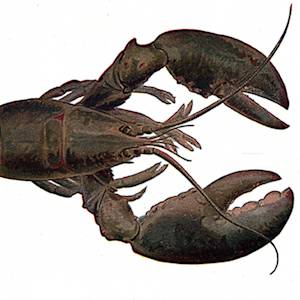
A tiny crustacean that weighs less than a paperclip, krill swim by the billions in the Antarctic seas. The total weight of Antarctic krill is likely more than the total weight of all the people on earth. They are indispensable in the food chain. Without krill, most life forms in the Antarctic would disappear: seals, albatrosses and petrels, penguins, whales. Antarctic krill stocks have dropped by 80 percent since the 1970s because of global warming and overfishing for use in fish meal, pet food, and vitamin supplements. If overharvesting continues it could cause a collapse in the ocean’s ecology.
The New York Times, National Geographic, PNAS
WHAT YOU CAN DO
Avoid supplements or products containing krill oil, and choose plant-based omega-3 alternatives like algae oil instead.
Reduce your carbon footprint where you can since climate warming and sea-ice loss are the biggest threats to krill.
Cut back on single-use plastics and dispose of waste properly, helping prevent microplastic pollution that accumulates in the Antarctic food web.
Support organizations working to expand marine protected areas in the Southern Ocean, which safeguard krill feeding grounds under melting sea ice.
FOR MORE INFORMATION AND HOW TO HELP
Visit:
film: Ernie Kovaks
sound: Cornell Lab of Ornithology



Learn about Maya Lin’s fifth and final memorial: a multi-platform science based artwork that presents an ecological history of our world - past, present, and future.
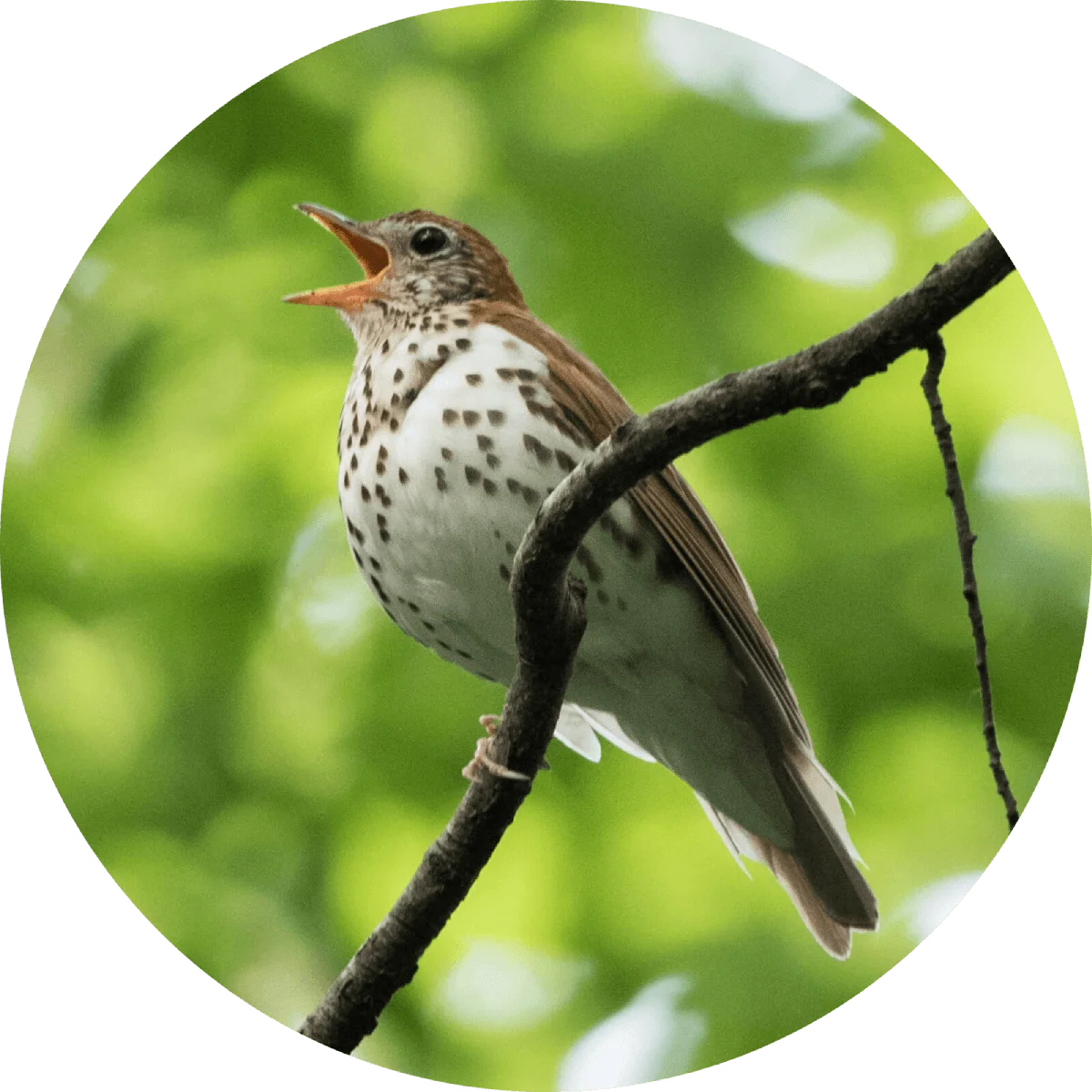
Discover ecological histories and stories of former abundance, loss, and recovery on the map of memory.
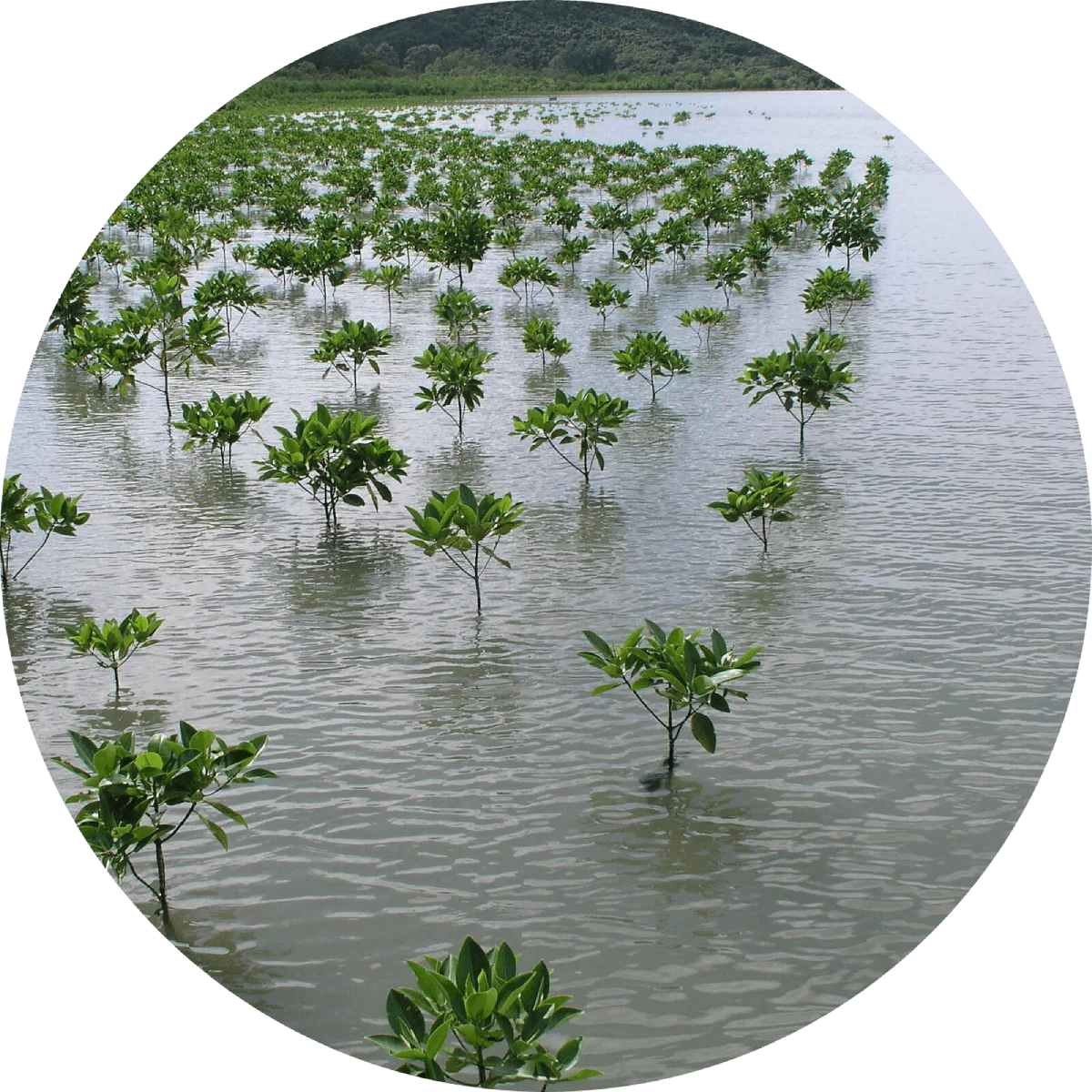
Learn how we can reduce our emissions and protect and restore species and habitats – around the world.

See how art can help us rethink the problems we face, and give us hope that each one of us can make a difference.

Help make a global memorial something personal and close to home. Share your stories of the natural world.